Smart Home Devices: Your Newest Witness or a Privacy Nightmare?
As smart home technology proliferates, the implications for privacy and legal evidence grow complex. This article explores how smart devices can serve as witnesses in criminal investigations and the legal challenges that arise from their data.
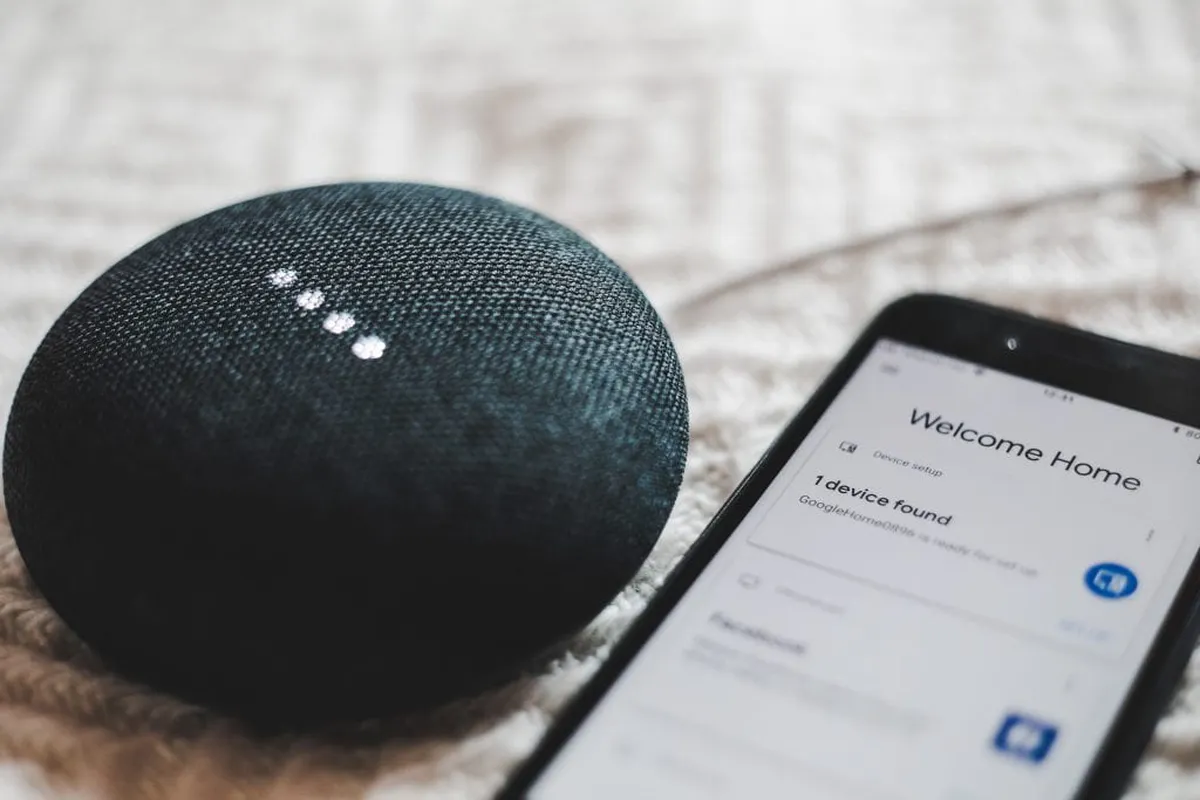
The rise of smart home technology has transformed our living spaces, offering convenience, security, and automation. However, as these devices become more common, they also introduce complex legal and privacy challenges. Smart home devices, from video doorbells to voice assistants, can collect vast amounts of data about our daily routines and interactions. This data can be invaluable in criminal investigations, but it also raises significant questions about privacy and the nature of evidence in the digital age.
Imagine a scenario where a crime occurs in your neighborhood. Law enforcement may turn to smart home devices to piece together a timeline of events. The data collected—such as video footage, door lock activities, and voice assistant interactions—can potentially corroborate or contradict witness statements and alibis. This intersection of technology and law prompts a critical examination of how we perceive privacy, consent, and the admissibility of digital evidence in court.
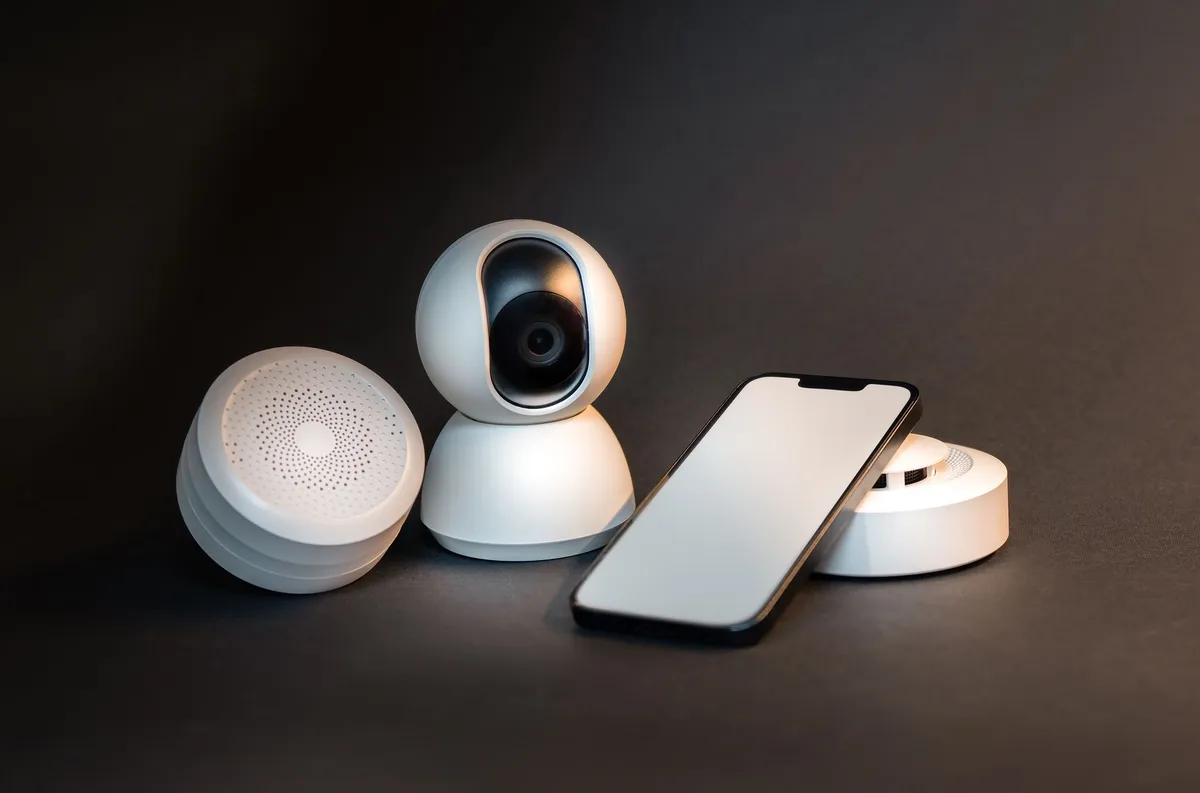
The Data We Collect: A Double-Edged Sword
Smart home devices are designed to enhance our lives, collecting information that can improve security and convenience. However, this data can also be used against us in legal contexts. Consider the following:
- **Smart Doorbells:** These devices monitor activities outside your home, capturing footage of visitors, deliveries, and even passersby.
- **Smart Locks:** They log entries and exits, providing a digital record of who accessed your home and when.
- **Voice Assistants:** Systems like Amazon's Alexa maintain interaction histories, which may become relevant in criminal investigations.
While each piece of data may seem innocuous on its own, when combined, it can create a comprehensive narrative of an individual's activities. For instance, if a smart lock indicates that someone entered your home at a specific time, and a video doorbell captured a visitor arriving shortly before that, investigators can establish a clearer timeline of events.

The Role of Smart Devices in Criminal Investigations
The utility of smart home data in criminal investigations cannot be overstated. Law enforcement agencies increasingly rely on this information to reconstruct events when physical evidence is scarce. For example, should a suspect claim they were asleep at 11 p.m., but the smart speaker logs an interaction at 12:15 a.m., this discrepancy can call into question their alibi.
Furthermore, video doorbells can capture more than just visitors to your home; they may record relevant events happening in the vicinity, such as a crime occurring nearby. In a scenario where an assault takes place, footage from multiple doorbell cameras can provide a crucial visual account of the incident, potentially identifying the perpetrator or corroborating witness statements.
The Privacy Implications of Smart Home Evidence
As beneficial as smart home devices can be, their use in investigations raises significant privacy concerns. The Fourth Amendment of the U.S. Constitution protects individuals from unreasonable searches and seizures, but how this applies to digital data collected by smart devices is still being debated in courts.
For instance, the case of Carpenter v. United States highlighted the necessity of a warrant for accessing historical cell-site location data, recognizing that such information can reveal intimate details about a person's life. Similar questions arise regarding smart home data: is the information collected by these devices subject to the same privacy protections? Courts continue to grapple with how to balance the need for law enforcement access with the right to privacy.
Admissibility of Digital Evidence in Court
The admissibility of smart home data in court varies based on jurisdiction and the circumstances surrounding its collection. Investigators may need a warrant, a production order, or a subpoena to access information stored on the cloud or within smart devices. This legal framework is essential, as any evidence obtained without proper authorization may be deemed inadmissible.
Moreover, defense lawyers must scrutinize how investigators obtained their evidence. Questions arise regarding the integrity of digital records: Is the timestamp accurate? Who had access to the device? Was the data tampered with? These factors can significantly impact the reliability of digital evidence and its interpretation during a trial.
Smart Home Data as a Defense Tool
While smart home devices can provide damaging evidence, they can also support a defense. If a suspect is accused of a crime that occurred while they were at home, a smart doorbell camera could provide evidence of their presence elsewhere. Similarly, a smart garage door log may confirm that the accused returned home at a specific time, contradicting the prosecution's timeline.
It's crucial for individuals to understand that their smart home data can be key evidence in both prosecution and defense. Digital records can illuminate inconsistencies in eyewitness testimony, which can often be unreliable due to stress or confusion during a crime. Therefore, identifying and preserving relevant digital evidence as early as possible in an investigation is essential, as some data may be deleted or become inaccessible over time.
Key Takeaways
- Smart home devices collect extensive data that can be used as evidence in criminal investigations.
- Privacy concerns are heightened as the legal implications of this data remain unclear.
- Digital evidence must be obtained through legal means to be admissible in court.
- Smart home data can both incriminate and exonerate individuals accused of crimes.
- Early identification and preservation of digital records are crucial for a solid defense.
Frequently Asked Questions
How can smart home devices be used as evidence in court?
Smart home devices can provide a wealth of information that may serve as evidence in court. For instance, data from smart locks and video doorbells can establish a timeline of events leading up to a crime. Voice assistant logs can also challenge or support alibis presented by suspects. However, the admissibility of such evidence hinges on how it was obtained, the legal frameworks in place, and the privacy protections afforded to individuals.
What are the privacy implications of using smart home data in investigations?
The use of smart home data in investigations raises serious privacy concerns, as these devices collect intimate information about users' daily lives. The Fourth Amendment protects against unreasonable searches, but the application of these protections to digital data is still evolving. Courts are tasked with balancing law enforcement needs against individual privacy rights, and the outcomes of such cases can vary widely.
Can smart home evidence support a defendant's case?
Yes, smart home evidence can be beneficial for a defendant's case. For example, if a defendant is accused of a crime occurring at a specific time, data from their smart home devices can provide evidence showing they were elsewhere or that the timeline presented by the prosecution is inaccurate. This evidence can strengthen a defense by providing a clearer picture of the events in question.
What should individuals do to protect their privacy regarding smart home devices?
To safeguard their privacy, individuals should be proactive about the data collected by their smart home devices. This includes understanding the privacy policies of the manufacturers, regularly reviewing the data stored by these devices, and adjusting privacy settings where possible. Additionally, being mindful of what is shared with smart devices and considering the implications of that data being accessed by law enforcement can help individuals maintain greater control over their personal information.
This article is for informational purposes only and does not constitute legal advice.
Comments
Navigating the Aftermath of Truck Accidents in Dallas: A Comprehensive Guide
Truck accidents can have devastating consequences, especially in freight-heavy areas like Dallas. Understanding the legal landscape and timely actions can significantly impact your recovery and outcome.

Related articles





Popular in Personal Injury
- Hawaii Supreme Court Overturns 36-Year-Old Rape Conviction Due to Forensic Flaws
- The Impact of Pro Bono Work by BigLaw Firms in 2025
- Albertsons Faces Trial Over Role in Washington's Opioid Crisis
- The Hidden Dangers of Open Manholes in New York City
- Historic $81 Million Verdict in Utah Pedestrian Wrongful Death Case