The Hidden Dangers of Open Manholes in New York City
Open manholes pose serious risks to pedestrians and drivers alike in New York City. Despite increasing complaints, many accidents go unreported, raising questions about infrastructure safety and accountability.
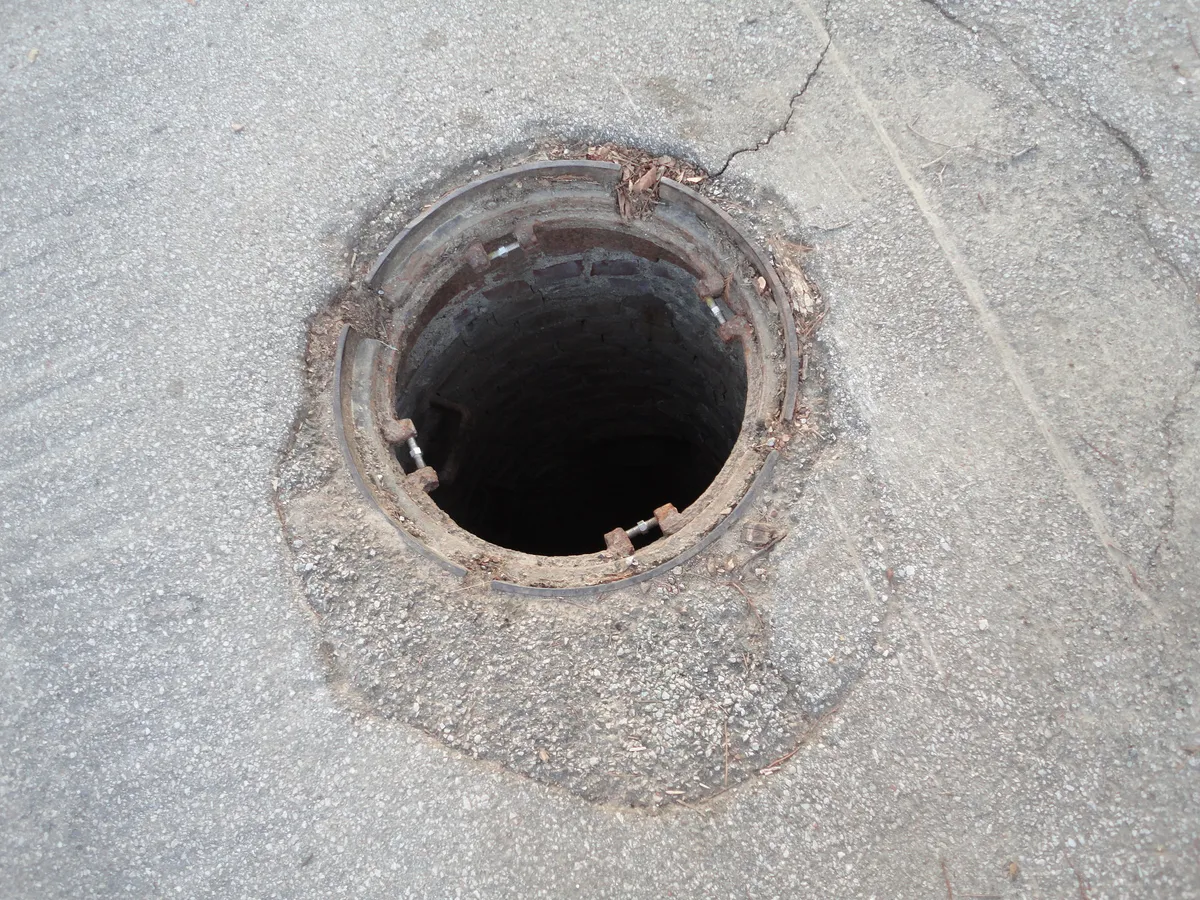
In the bustling streets of New York City, the infrastructure beneath our feet plays a critical role in maintaining the city's functionality. Yet, this essential underground network houses a hidden danger: open manholes. While they may seem like mere nuisances, these urban hazards can lead to severe injuries or even fatalities. The reality is stark; for many pedestrians, drivers, and workers who traverse these streets daily, an open manhole represents more than just an inconvenience — it’s a life-threatening risk.
As the city grapples with an aging infrastructure beneath its bustling surface, the number of open manhole complaints is on the rise. This burgeoning issue raises crucial questions about public safety, accountability, and the adequacy of existing reporting mechanisms. Understanding the dynamics of manhole safety not only illuminates a significant urban problem but also empowers citizens to take action when faced with the potential for injury.

The Scope of the Manhole Problem in NYC
Open manholes in New York City may appear as ordinary street defects, but they can have dire consequences. The danger escalates when a cover is missing, loose, damaged, or improperly secured. Incidents involving open manholes can result in serious injuries such as fractures, severe burns, spinal injuries, head trauma, or even fatalities. Yet, many of these incidents go unnoticed and unreported, contributing to a larger narrative of urban neglect.
Invisible Injuries and Underreporting
Statistics on manhole-related injuries often fail to capture the true scale of the problem. The New York City 311 service allows residents to report hazardous conditions, including missing or damaged manhole covers. However, many incidents may never reach the news headlines or formal injury reports. Instead, they often begin as complaints lodged through this public service system, which can lead to inspections by the city's Department of Environmental Protection (DEP).
- **Over 700,000 manhole covers** exist in NYC, making oversight challenging.
- **Complaints have increased** due to greater public awareness and high-profile accidents.
- **Lack of routine inspections** contributes to the dangers associated with open manholes.
While the city responds quickly to certain reports, the reality is that preventative measures are often absent. Many individuals, particularly those walking at night or drivers in heavy traffic, may not be warned of the dangers posed by unsecured manholes until it’s too late.
Understanding the Causes of Manhole Hazards
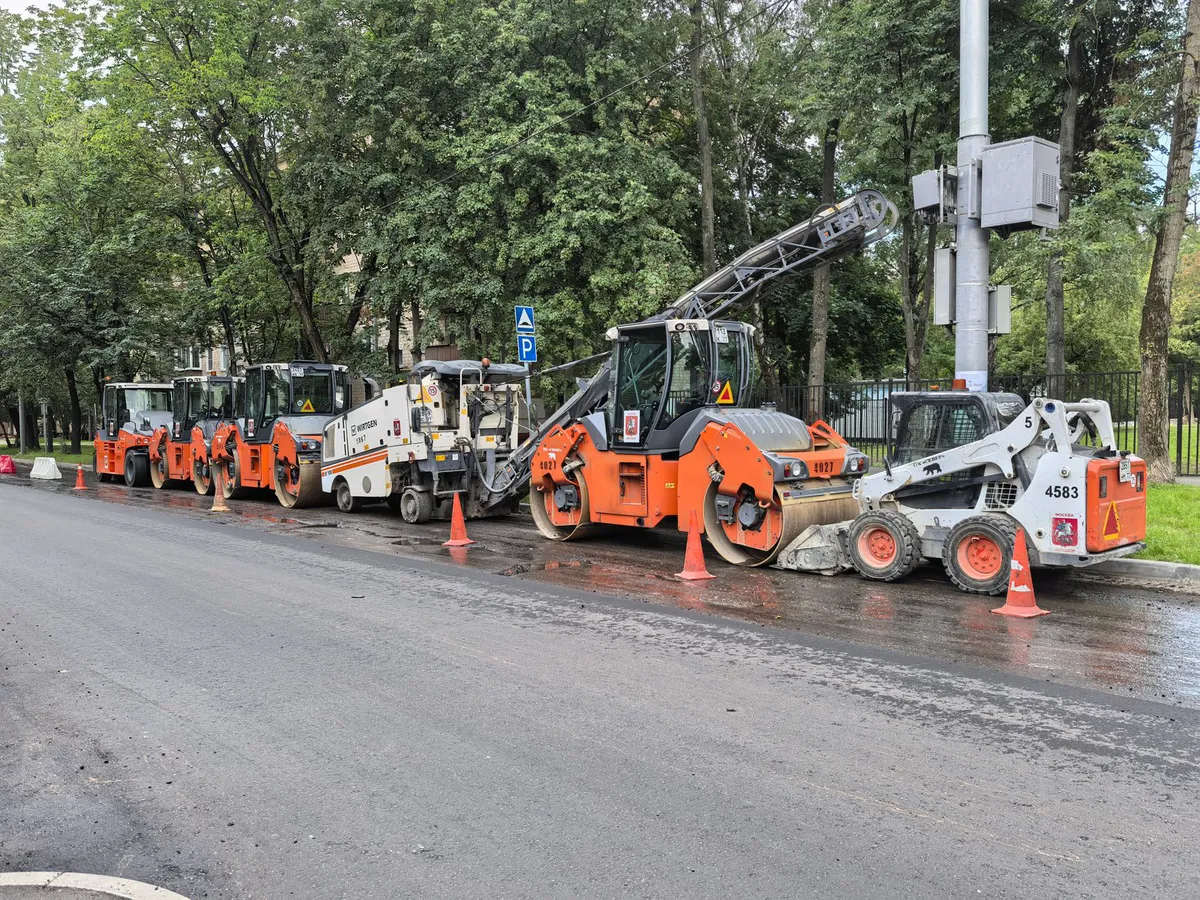
The increasing number of manhole complaints reflects a multitude of factors contributing to unsafe conditions in the city. Aging infrastructure is at the forefront, coupled with constant street work, utility repairs, heavy vehicular traffic, and the wear and tear of daily weather conditions. These elements create a precarious environment where manhole covers can become loose or dislodged.
Design Flaws and Material Choices
Interestingly, the materials used for manhole covers can also play a role in their safety. Composite covers, which are lighter and non-conductive, may seem advantageous in certain contexts; however, they behave differently under traffic pressure compared to traditional steel or cast iron covers. This raises concerns about their stability and the necessity for more rigorous inspections and secure fittings.
Moreover, every time a cover is opened for maintenance or emergency repairs, the potential for improper replacement increases. In a city where even minor installation errors can lead to serious injuries, the proper management of manhole covers is crucial.

Who Is Liable for Manhole Accidents?
The complexity of liability for manhole accidents in New York City poses challenges for victims seeking justice. Various parties may hold responsibility, including public agencies, private utility companies, contractors, and maintenance crews. The ownership of a manhole cover does not always equate to accountability for injuries resulting from its condition.
Legal Framework and Responsibilities
New York City’s Administrative Code outlines specific regulations regarding manhole covers, emphasizing the importance of public safety. For instance, the removal of manhole covers without authorization can lead to civil and criminal penalties. However, determining liability often requires a detailed investigation into who had control over the manhole at the time of the incident. Important factors may include:
- Previous maintenance records
- Inspection logs
- Emergency repair documentation
- Witness accounts or CCTV footage
In cases involving municipal entities, victims must also adhere to strict deadlines for filing claims, known as Notices of Claim, which complicate the process further. Given the complexity of these legal landscapes, many injured individuals find it beneficial to consult with legal professionals specializing in infrastructure negligence.

What to Do If You Encounter an Open Manhole
For pedestrians or drivers who encounter an open or unstable manhole, the immediate priority must be safety. Do not attempt to move the cover or stand near any steam or hazardous conditions. Instead, you should:
- Move away from the area.
- Warn others if it is safe to do so.
- Report the condition through NYC 311.
If an injury has already occurred, it is essential to document the incident thoroughly. This documentation can be crucial for establishing liability and accountability later on. Collect evidence, such as photographs of the scene, details of the incident, and eyewitness accounts, while also seeking immediate medical attention for any injuries sustained.
Moving Towards Prevention
Transitioning from a reactive approach to a more preventive strategy is vital in addressing the open manhole issue in New York City. While complaint systems like NYC 311 are valuable, they are ultimately dependent on public reporting. A more structured and routine inspection program targeting high-risk areas could significantly decrease the likelihood of accidents, ensuring that dangerous conditions are identified before injuries occur. Moreover, improved coordination among public agencies and utilities could facilitate faster responses to hazardous situations.
Key Takeaways
- Open manholes present significant safety risks to pedestrians and drivers in NYC.
- The increase in complaints may reflect heightened awareness rather than worsening conditions.
- Liability for injuries can be complex, involving multiple parties.
- Immediate reporting and documentation are crucial if you encounter a hazardous condition.
- Preventive measures, including routine inspections, are necessary to enhance public safety.
Frequently Asked Questions
What should I do if I fall into an open manhole?
If you fall into an open manhole, seek immediate medical attention for any injuries, no matter how minor they may seem. Document the incident by taking photos, gathering witnesses, and reporting the condition to NYC 311. Consulting with a personal injury attorney can help you understand your legal rights and potential for compensation.
How can I report a missing or dangerous manhole cover?
You can report a missing or dangerous manhole cover through the NYC 311 service. Simply visit their website or call the hotline to provide details about the location and condition of the cover, which will prompt an inspection by the appropriate city agency.
What types of injuries are common from manhole accidents?
Injuries from manhole accidents can vary widely but often include fractures, head injuries, severe burns, and spinal injuries. The severity of these injuries can depend on the circumstances of the fall or accident, including the height of the fall and the nature of the impact.
Is the city responsible for manhole injuries?
The city's responsibility for manhole injuries can depend on various factors, including the ownership of the manhole cover and whether the city had prior knowledge of the hazard. Legal liability can involve multiple parties, including city agencies and private contractors, making each case unique.
*This article is for informational purposes only and does not constitute legal advice.*
Comments
Oklahoma Businessman Waives $120 Million Bankruptcy Discharge Amid Fraud Allegations
Michael Ray Friday's bankruptcy case highlights the importance of full financial disclosure. After a federal investigation uncovered hidden assets and undisclosed income, he forfeited a chance to eliminate over $120 million in debts.

Related articles







Popular in Personal Injury
- Hawaii Supreme Court Overturns 36-Year-Old Rape Conviction Due to Forensic Flaws
- The Impact of Pro Bono Work by BigLaw Firms in 2025
- Albertsons Faces Trial Over Role in Washington's Opioid Crisis
- Historic $81 Million Verdict in Utah Pedestrian Wrongful Death Case
- An Alarming Trend: The Murder of Journalists in Mexico