Legal Battle Erupts Over Road Construction in Alaska Wildlife Refuge
Conservation groups are challenging the Army Corps' approval of a road through the Izembek National Wildlife Refuge, citing environmental risks and legal violations. The outcome could significantly affect wildlife and local communities.
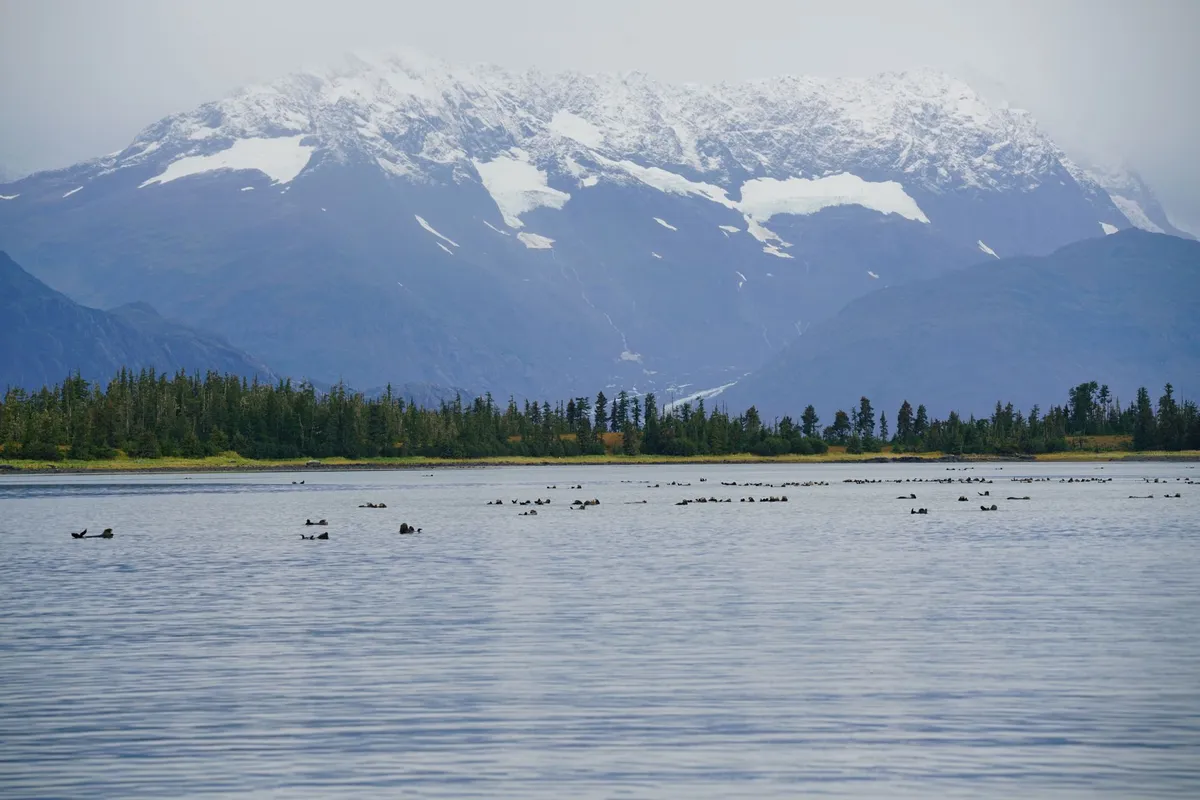
In a significant legal showdown, conservation organizations have filed a lawsuit against the U.S. Army Corps of Engineers following its controversial approval of a road construction project through the Izembek National Wildlife Refuge in Alaska. This 19-mile road, aimed at connecting the remote village of King Cove to Cold Bay, has sparked fierce opposition from environmental groups who argue that building the road could irreparably harm one of the most ecologically sensitive areas in the United States.
On Wednesday, these conservation organizations, including the Friends of Alaska National Wildlife Refuges, Alaska Wilderness League, and National Wildlife Refuge Association, initiated the lawsuit in U.S. District Court for the District of Alaska. They contend that the Army Corps has violated multiple federal laws, including the Clean Water Act and the Administrative Procedure Act, by issuing a permit for a project they deem environmentally catastrophic.
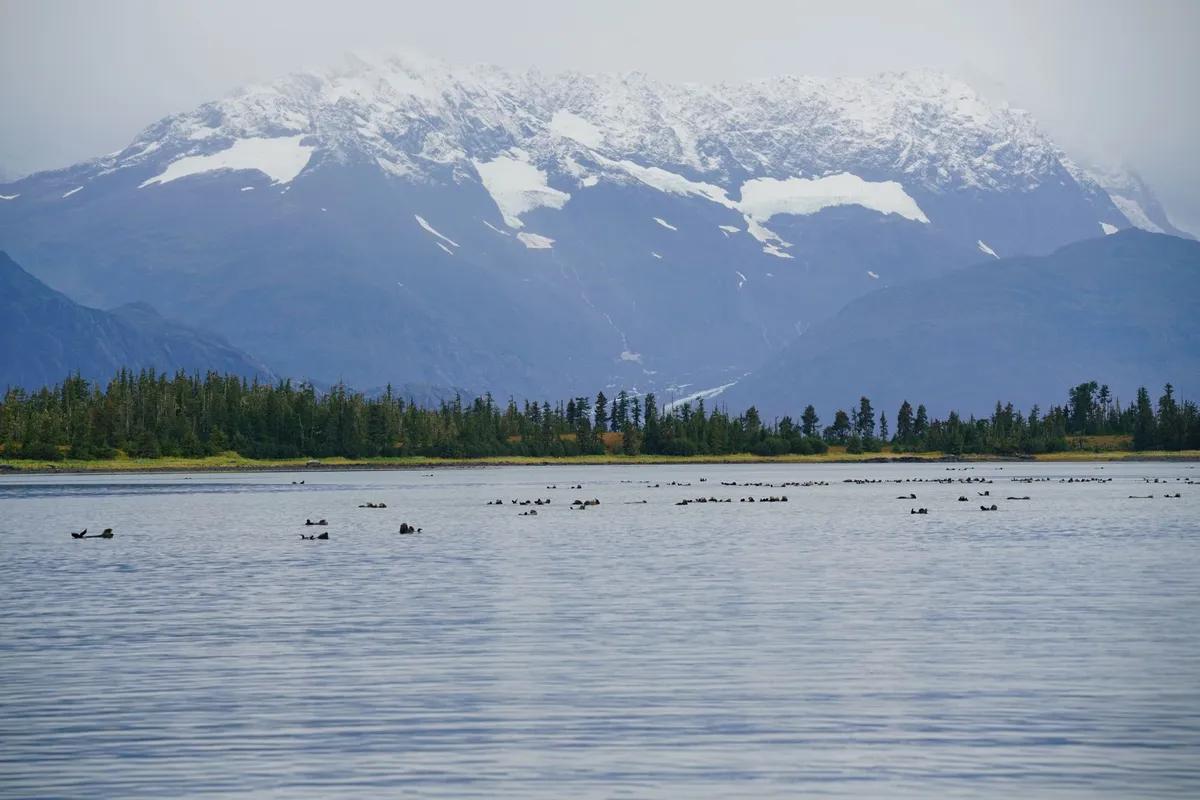
The Izembek National Wildlife Refuge: A Unique Ecosystem
The Izembek National Wildlife Refuge, situated on the Alaska Peninsula east of the Aleutian Islands, is renowned for its rich biodiversity and unique wetlands. It serves as a critical habitat for numerous species, including brown bears, waterfowl, sea lions, and sea otters, all of which depend on the fragile ecosystems that could be disrupted by road construction. The refuge is not just a national treasure; it is internationally recognized for its ecological significance.
According to the plaintiffs, the road project would lead to “permanently alter the landscape,” posing a severe risk to the wildlife that inhabit the region. They emphasize that the Army Corps' approval disregarded numerous past findings by the U.S. Fish and Wildlife Service, which deemed the proposed road as “the greatest known potential threat to wildlife and wilderness values within the Izembek complex.”
Legal Arguments Against the Army Corps
The legal arguments presented by the plaintiffs are rooted in environmental protection statutes designed to safeguard sensitive habitats. The complaint asserts that the Army Corps failed to adequately consider alternative transportation options, such as air and sea connections, which have been shown to be as reliable, if not more so, than a road.
Furthermore, the lawsuit claims that the permit was issued unlawfully due to the Army Corps' failure to assess the potential impacts of the road on marine ecosystems and to explore mitigating options that could lessen environmental damage. This oversight raises broader questions about the regulatory processes that govern environmental assessments in the U.S.

The Role of the King Cove Corporation
The proposed road, named the “King Cove Road,” is closely linked to the interests of the King Cove Corporation, which would own the rights to the thoroughfare. The corporation argues that the road is essential for improving medical access for residents of King Cove, a community that has historically faced challenges due to its remote location.
This argument is met with skepticism by the opposition, who highlight the potential long-term consequences of such a development. The land swap that facilitated the road's construction—where the King Cove Corporation exchanged 484 acres of federal land for 1,739 acres within the Izembek refuge—has also come under scrutiny. Critics argue that the U.S. Interior Department neglected to consider the implications of this swap on local wildlife and did not impose necessary restrictions on the proposed road's usage.
Legal Implications and Future Prospects
The legal battle surrounding the King Cove Road is multi-faceted, with various aspects of the project being challenged in court under different legal frameworks. U.S. District Judge Sharon L. Gleason is set to rule on the legality of the land swap, while the new lawsuit against the Army Corps remains pending. The outcomes of these cases could have far-reaching implications not only for the proposed road but also for future development projects in ecologically sensitive areas.
As Governor Mike Dunleavy indicated his intention to commence road construction within 30 days of the Army Corps' approval, the potential for a judicial ruling against the state could significantly delay or even halt the project altogether. This situation exemplifies the tension between development interests and environmental conservation, highlighting the need for careful consideration of both economic and ecological factors.
The Voices of the Local Community
The local Native communities have voiced concerns about the impact of the road on their traditional ways of life. Chief Edgar Tall Sr. of the Native Village of Hooper Bay, a plaintiff in the land swap case, expressed his fears about the potential chaos that the road could bring to the region, stating, “If the Izembek road happens, it will cause a lot of chaos for Alaska Native people in my region who still live off the land and sea. The birds we hunt may not be able to survive.”
This sentiment reflects a broader apprehension among Indigenous communities regarding the encroachment of development projects on their ancestral lands and the delicate ecosystems that sustain their traditional practices. The lawsuit represents not just a legal challenge but also a fight for the preservation of cultural heritage and environmental integrity.
Key Takeaways
- Multiple conservation organizations have filed a lawsuit against the U.S. Army Corps of Engineers over the approval of the King Cove Road.
- The Izembek National Wildlife Refuge is ecologically significant, home to diverse wildlife that could be threatened by the road's construction.
- Legal arguments cite violations of the Clean Water Act and the Administrative Procedure Act, claiming the Army Corps failed to consider alternative transportation options.
- The outcome of the lawsuits could have significant implications for future development projects in sensitive ecological areas.
- Local Indigenous communities are concerned about the impact of the road on their way of life and the environment.
Frequently Asked Questions
What is the King Cove Road project?
The King Cove Road project is a proposed 18.9-mile road that would connect the village of King Cove to Cold Bay, Alaska. The road aims to provide residents with improved access to a larger airport in Cold Bay, especially for medical emergencies. However, it has faced opposition due to its potential environmental impacts on the adjacent Izembek National Wildlife Refuge.
What are the main legal arguments against the Army Corps' approval?
The plaintiffs argue that the Army Corps violated the Clean Water Act and the Administrative Procedure Act by issuing a permit for the road without adequately considering its environmental impacts or exploring alternative transportation options. They contend that the approval disregards previous findings from the U.S. Fish and Wildlife Service, which identified the road as a significant threat to wildlife and ecosystems in the area.
How could the lawsuits impact the construction timeline of the road?
Depending on the outcomes of the lawsuits, particularly the ruling on the legality of the land swap and the Army Corps' permit approval, construction of the King Cove Road could be delayed or halted. If the courts rule in favor of the plaintiffs, it could force a reevaluation of the project and its compliance with environmental laws, putting the state of Alaska's construction plans on hold.
What are the broader implications of this legal battle?
This legal battle could set a precedent for how future development projects in ecologically sensitive areas are approached in the United States. It highlights the ongoing tension between economic development and environmental protection, and the importance of adhering to legal standards that safeguard natural habitats and Indigenous rights.
This article provides general information and is not legal advice.
Comments
Oklahoma Businessman Waives $120 Million Bankruptcy Discharge Amid Fraud Allegations
Michael Ray Friday's bankruptcy case highlights the importance of full financial disclosure. After a federal investigation uncovered hidden assets and undisclosed income, he forfeited a chance to eliminate over $120 million in debts.

Related articles





Popular in Personal Injury
- Hawaii Supreme Court Overturns 36-Year-Old Rape Conviction Due to Forensic Flaws
- The Impact of Pro Bono Work by BigLaw Firms in 2025
- Albertsons Faces Trial Over Role in Washington's Opioid Crisis
- The Hidden Dangers of Open Manholes in New York City
- Historic $81 Million Verdict in Utah Pedestrian Wrongful Death Case