Hawaii Supreme Court Overturns 36-Year-Old Rape Conviction Due to Forensic Flaws
The Hawaii Supreme Court has vacated a 1990 rape conviction, citing outdated and erroneous forensic evidence. This landmark decision highlights the critical need for reliable forensic practices in the justice system.
The justice system in the United States has long grappled with the reliability of forensic evidence, particularly in cases hinging on microscopic analysis of hair and fiber. In a significant move, the Hawaii Supreme Court recently vacated the 36-year-old rape conviction of Daniel Granillo, underscoring the critical importance of scientific integrity in criminal proceedings. This decision not only brings Granillo a step closer to a new trial but also resonates with broader discussions about the validity of forensic practices used in the legal system.
Granillo was convicted in 1990 of kidnapping, attempted sexual assault, and two counts of sexual assault after a brutal attack on an unnamed woman in a Maui shopping center parking lot. He was sentenced to 40 years in prison, a sentence that now faces reconsideration in light of substantial new evidence regarding the forensic techniques used during his trial.
The Role of Forensic Evidence in Convictions
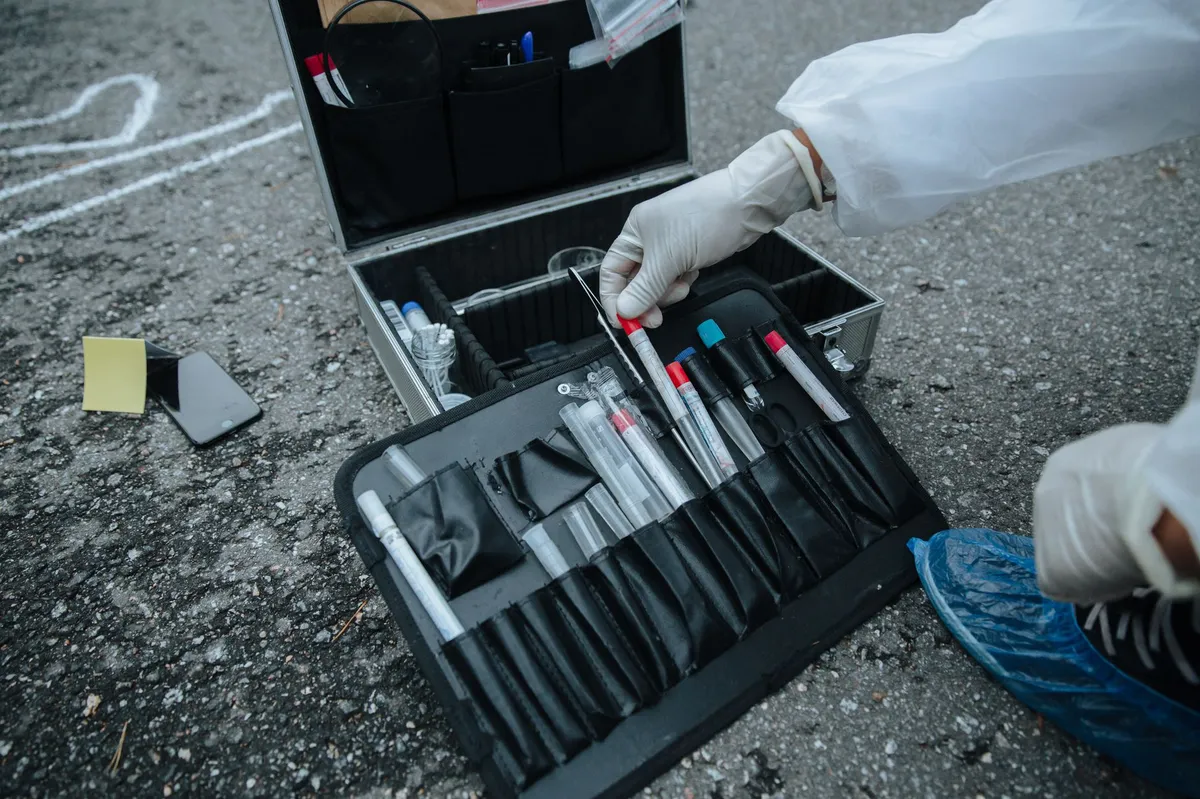
Forensic evidence has often been viewed as a cornerstone of modern criminal investigations. Techniques such as DNA analysis, fingerprinting, and even hair comparison were once deemed infallible in establishing guilt. In Granillo's case, the prosecution relied heavily on hair and fiber evidence presented by FBI Special Agent Wayne Oakes, who testified that hair found in Granillo's car matched that of the victim and that fibers from her clothing were consistent with the car's interior.
However, as the Hawaii Supreme Court pointed out, the scientific foundation for such testimony has since been called into question. In 2017, federal authorities flagged Oakes' testimony as "inappropriate" and indicated that it overstated the reliability of hair comparison, a technique that has faced scrutiny for its lack of statistical backing. This revelation is part of a larger narrative about forensic science, especially in light of the FBI's admission in 2015 of systemic errors in hair analysis, which impacted thousands of convictions across the nation.
Granillo's Case: A Timeline of Events
- 1989: The victim is attacked in a Maui parking lot.
- 1990: Granillo is convicted based on flawed hair and fiber evidence.
- 2017: Federal authorities question the validity of the forensic testimony.
- 2019: Granillo files a petition for a hearing regarding the evidence.
- 2023: Hawaii Supreme Court vacates the conviction, granting a new trial.
Legal Ramifications of Outdated Forensic Science
The implications of the Hawaii Supreme Court's decision extend beyond Granillo's case. The court's ruling emphasizes the need for ongoing scrutiny of forensic practices and the potential for wrongful convictions based on outdated methodologies. Associate Justice Todd Eddins articulated that Granillo's right to a fair trial was compromised by the reliance on evidence that is now recognized as unreliable.
In a pivotal moment, Eddins highlighted the distinction between the legal standards of assessing errors in a trial. The lower court had labeled Oakes' testimony as "harmless beyond a reasonable doubt," implying that the conviction could still stand despite the flawed evidence. However, the Supreme Court argued for a materiality standard, which centers on whether the false testimony could have influenced the jury's judgment. This shift in perspective underscores a broader legal principle: the integrity of the evidence presented in court is paramount to ensuring justice.
A National Reckoning with Forensic Evidence
Granillo's case does not exist in isolation; it is part of a national reckoning regarding the reliability of forensic evidence. As courts across the country confront similar issues, there is a growing recognition of the need for reform in how forensic science is applied in legal settings. The flawed practices that were once standard have led to serious miscarriages of justice, prompting calls for more rigorous training, certification, and oversight of forensic analysts.
Moreover, the increasing awareness of the limitations of forensic evidence has led to a broader dialogue about the implications for defendants who may have been wrongfully convicted based on such evidence. The Granillo case serves as a reminder that the legal system must adapt to advancements in science and technology, ensuring that justice is served through reliable and valid methods.
Key Takeaways
- The Hawaii Supreme Court vacated a 36-year-old rape conviction due to flawed forensic evidence.
- Granillo's case highlights the critical need for reliable forensic practices in the legal system.
- The ruling emphasizes a shift from assessing harmless error to a materiality standard in evaluating judicial errors.
- Granillo's case reflects a broader national movement towards reforming forensic science to prevent wrongful convictions.
Frequently Asked Questions
What prompted the Hawaii Supreme Court to vacate Granillo's conviction?
The Hawaii Supreme Court vacated Daniel Granillo's conviction based on the recognition that the hair and fiber evidence used against him was scientifically unreliable. The court ruled that the prosecution's reliance on erroneous forensic testimony constituted a violation of his right to a fair trial, necessitating a new trial.
How does this case affect other convictions based on forensic evidence?
Granillo's case is part of a growing trend in the U.S. legal system where flawed forensic practices are being scrutinized. As courts reevaluate convictions based on outdated forensic science, there is potential for other individuals to seek justice and exoneration if their cases involved similar types of evidence. This case could set a precedent for future challenges to forensic evidence in criminal trials.
What is the significance of the materiality standard in legal proceedings?
The materiality standard represents a shift in how courts evaluate errors in trial proceedings. Unlike the harmless error standard, which focuses on whether a conviction could still stand despite an error, the materiality standard asks whether false evidence could have influenced the jury's decision. This change emphasizes the importance of ensuring that only reliable evidence is presented in court.
What are the broader implications of this ruling for forensic science?
The Hawaii Supreme Court's decision underscores a critical need for reform in forensic science practices. It highlights the importance of scientific rigor and accountability in forensic analysis, pushing for better training, oversight, and standards for forensic experts. This ruling may inspire further investigations into past convictions and a reevaluation of how forensic evidence is used in the justice system.
This content is general information and not legal advice.
Comments
Health Groups Challenge FDA's New Vaping Policy in Landmark Lawsuit
A coalition of health organizations has filed a lawsuit against the FDA, challenging its new policy that could allow flavored vaping products to enter the market without proper review. This legal action raises significant concerns about youth nicotine exposure and public health.
Related articles


Popular in Personal Injury
- The Impact of Pro Bono Work by BigLaw Firms in 2025
- Albertsons Faces Trial Over Role in Washington's Opioid Crisis
- The Hidden Dangers of Open Manholes in New York City
- Historic $81 Million Verdict in Utah Pedestrian Wrongful Death Case
- An Alarming Trend: The Murder of Journalists in Mexico