Health Groups Challenge FDA's New Vaping Policy in Landmark Lawsuit
A coalition of health organizations has filed a lawsuit against the FDA, challenging its new policy that could allow flavored vaping products to enter the market without proper review. This legal action raises significant concerns about youth nicotine exposure and public health.

The vaping industry has rapidly evolved over the past decade, becoming a significant player in the tobacco market while stirring complex debates about public health, regulation, and consumer safety. Recently, several prominent health organizations took a decisive step by filing a lawsuit against the U.S. Food and Drug Administration (FDA), contesting a controversial policy that they argue undermines the federal review process for new nicotine products. This legal battle isn't just a matter of regulatory compliance; it holds critical implications for public health, particularly concerning youth exposure to flavored vaping products.
At the heart of the lawsuit are organizations including the Campaign for Tobacco-Free Kids, the American Lung Association, the American Heart Association, the American Cancer Society Cancer Action Network, and the American Academy of Pediatrics. These groups argue that the FDA's new policy effectively allows flavored vaping products and nicotine pouches to enter the marketplace without undergoing the rigorous scientific evaluation mandated by federal law. This policy, announced earlier this year, is seen as a significant shift from the FDA's previous stringent regulatory approach, raising alarms about the potential consequences for public health.
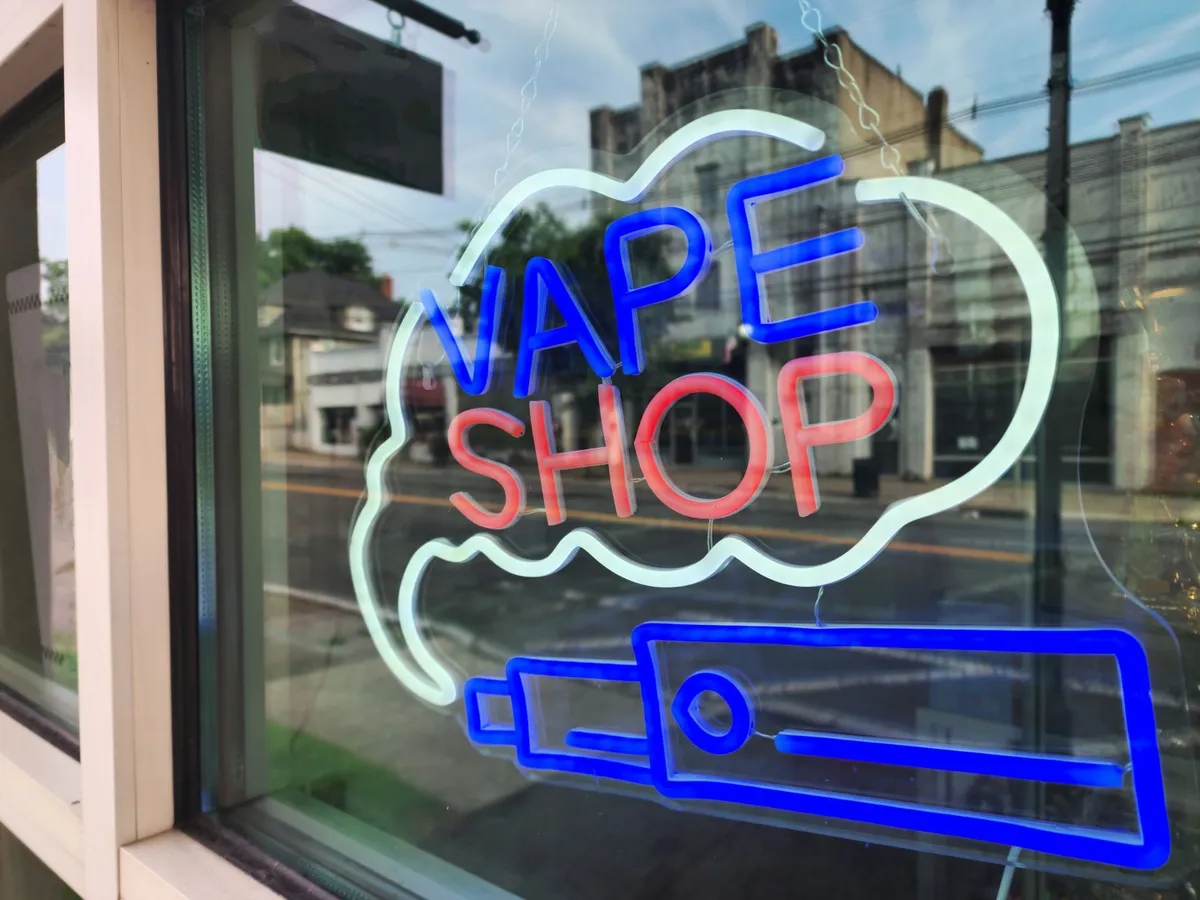
Understanding the FDA's New Vaping Policy
The FDA's revised policy indicates that it will generally refrain from taking enforcement action against companies that have made substantial progress through the agency's review system. Essentially, this means that products currently undergoing review could hit store shelves even if they have not received full authorization. The public health organizations involved in the lawsuit argue that this approach breaches federal law, which requires a thorough review to ensure that each product is appropriate for public health before it can be marketed to consumers.
This legal challenge follows extensive discussions between tobacco industry representatives and federal officials regarding the future of the vaping market. Industry leaders have contended that the existing regulatory framework has failed to curb the influx of unauthorized products—many of which are manufactured overseas—into the U.S. market. This influx has created a complex landscape where consumers may inadvertently purchase products that lack proper safety assessments.

The Risks of Flavored Vaping Products
Flavored nicotine products have been a focal point of concern among public health advocates, particularly due to their appeal to younger demographics. The lawsuit highlights the dangers associated with flavored vaping products, which can make nicotine consumption more enticing for teenagers and young adults. This is especially problematic given the escalating rates of nicotine dependence observed in these populations.
Key Concerns Raised by Health Organizations
- Attractiveness to Youth: Flavored products, such as fruit and candy-flavored e-cigarettes, are particularly appealing to younger users.
- Long-term Health Risks: Increased nicotine dependence can lead to a variety of health issues, including addiction and potential mental health problems.
- Lack of Scientific Review: Allowing products to enter the market without rigorous evaluation undermines consumer safety.
The health organizations involved in the lawsuit believe that the FDA's current approach weakens protections that were instituted to prevent the sale of tobacco and nicotine products without thorough scientific review. They argue that flavors can significantly impact youth usage rates, ultimately jeopardizing public health and increasing the prevalence of nicotine addiction among younger populations.

The Tobacco Industry's Perspective
In contrast, proponents of the FDA's policy assert that it may help steer consumers toward products sold through legal channels, thereby allowing regulators to focus their enforcement efforts on unauthorized imports that flood the market. Tobacco executives have emphasized that unauthorized products currently account for a significant portion of vaping sales in the U.S., complicating compliance for legal manufacturers. Some industry leaders have indicated their readiness to adapt by developing new products that could thrive under the new regulatory landscape.
Industry Arguments for Regulatory Flexibility
- Market Competition: Industry representatives argue that current regulations have failed to contain the unauthorized market.
- Consumer Safety: Supporters of the FDA's new policy contend that it could enhance consumer safety by promoting legal products over illicit ones.
- Innovation: Companies may innovate more effectively without being burdened by overly stringent regulatory constraints.
As the lawsuit progresses, the outcome could significantly influence the future of vaping and nicotine pouch sales in the United States. A ruling favoring the health groups could compel regulators to revert to more stringent enforcement standards, while a decision supporting the FDA’s policy might facilitate the introduction of more products into the marketplace before they receive conclusive review decisions.

The Bigger Picture: Public Health vs. Industry Interests
The ongoing legal battle reflects a broader debate on how regulators should balance public health concerns with industry interests and consumer freedoms. As the vaping market continues to expand, the stakes are high. The court's decision will likely shape future regulations and enforcement strategies regarding all nicotine products, ultimately impacting how companies operate and how consumers access these products.
Public health advocates have long emphasized the need for a balanced approach that prioritizes consumer safety while allowing for innovation within the industry. With the growing market for smoke-free nicotine products, finding this balance is more critical than ever. The implications of the court's ruling may extend beyond the immediate case, influencing legislative and regulatory frameworks for years to come.
Key Takeaways
- This lawsuit aims to challenge an FDA policy that could allow flavored vaping products to enter the market without proper review.
- Health organizations argue that the policy undermines federal law designed to protect public health.
- The outcome may determine the future landscape of the vaping market and its regulation in the U.S.
- There are significant public health concerns surrounding youth exposure to flavored nicotine products.
- The balance between regulatory enforcement and industry innovation is crucial moving forward.
Frequently Asked Questions
What specific changes does the FDA's new policy propose?
The FDA's new policy suggests that it will not enforce actions against companies whose products are undergoing substantial progress through the review process. This means that these products could potentially be marketed before receiving full authorization, which is a significant shift from previous enforcement practices that mandated complete review before market entry.
Why are flavored vaping products a concern for public health?
Flavored vaping products are particularly concerning because they are more appealing to younger users. The flavors can mask the harshness of nicotine, making it easier for adolescents to start using these products. Public health advocates argue that this increases the likelihood of nicotine addiction among youth and could lead to long-term health consequences.
What could be the consequences if the health groups win the lawsuit?
If the health groups win the lawsuit, it could force the FDA to revert to stricter enforcement of regulations concerning the marketing of nicotine products. This may result in more rigorous reviews and potentially limit the availability of flavored products, aligning with federal laws intended to protect public health.
How does this lawsuit reflect broader trends in tobacco regulation?
This lawsuit is emblematic of a growing tension between public health priorities and industry interests. As the vaping market expands, regulators are faced with the challenge of implementing effective policies that protect consumers while also allowing for innovation and competition within the industry. The outcome of this case could set a precedent for future regulatory actions and the overall direction of tobacco and nicotine product oversight in the U.S.
This article is for informational purposes only and does not constitute legal advice.
Comments
Consequences of Missing Jury Duty: What You Need to Know
Failing to appear for jury duty can lead to serious legal and financial repercussions. Understanding the potential consequences can help you navigate your obligations and avoid penalties.

Related articles


Popular in Personal Injury
- Hawaii Supreme Court Overturns 36-Year-Old Rape Conviction Due to Forensic Flaws
- The Impact of Pro Bono Work by BigLaw Firms in 2025
- Albertsons Faces Trial Over Role in Washington's Opioid Crisis
- The Hidden Dangers of Open Manholes in New York City
- Historic $81 Million Verdict in Utah Pedestrian Wrongful Death Case