Navigating Winter Car Accident Claims in Massachusetts: A Comprehensive Guide
Winter storms can transform innocuous drives into harrowing ordeals, complicating insurance claims and liability. Understanding Massachusetts' comparative fault laws is crucial for those affected by winter car accidents.
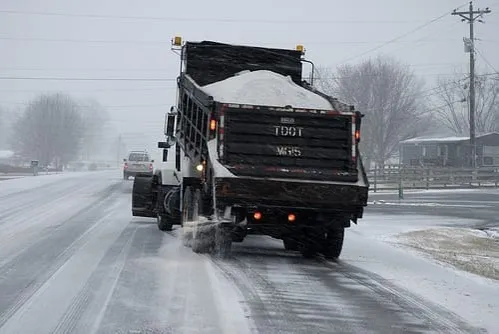
As winter blankets Massachusetts with snow and ice, the roads become perilous for unsuspecting drivers. A recent blizzard transformed a routine commute into chaos, with over 700 vehicles stranded and numerous accidents reported, including a tragic fatality. The aftermath of such incidents plunges drivers into a complex maze of insurance claims and liability disputes, particularly in a state like Massachusetts, where the nuances of comparative fault play a significant role in determining compensation. Understanding these laws and how they affect your case is crucial for securing a fair settlement in the wake of a winter accident.
Winter weather brings unique challenges to driving, making it essential for accident victims to grasp the implications of their circumstances. In Massachusetts, the rules governing fault and compensation can create a daunting landscape for those navigating the aftermath of a car accident during severe weather. Without the right knowledge and representation, victims risk losing out on the settlements they deserve, often due to misleading strategies employed by insurance adjusters.
The Role of Comparative Fault in Massachusetts
At the heart of Massachusetts' approach to accident claims lies the principle of **comparative negligence**. This legal doctrine stipulates that the compensation you may receive after an accident is directly linked to the percentage of fault assigned to you. In essence, if you are deemed more than 50% at fault for the accident, you cannot recover any damages.
Understanding the 51 Percent Bar
The **51 Percent Bar** is a crucial aspect of Massachusetts law that impacts how settlements are calculated. Under this rule, if you are found to be 50% or less at fault, you can pursue damages. However, your total recovery will be diminished by your share of liability. For instance, if you are found to be 20% responsible for an accident due to driving slightly too fast in snowy conditions, your potential damages will be reduced by that 20%.
- 50% Fault Threshold: You can only claim damages if found less than 51% at fault.
- Percentage Reduction: Your settlement is reduced by your percentage of fault.
- Documentation is Key: Evidence such as eyewitness accounts and accident reports can bolster your case.
The Impact of Severe Weather on Liability
Winter weather exacerbates the risks associated with driving, leading to a higher incidence of accidents. Icy roads and limited visibility create conditions ripe for **multi-vehicle collisions**, further complicating the determination of liability. For example, in February 2023, a blizzard led to a chain reaction crash involving ten cars on a major highway, raising questions about fault for each driver involved.
It’s a common misconception that liability shifts entirely to the weather. In legal terms, drivers are expected to adjust their behavior according to the conditions. This means that even in severe weather, if a driver fails to reduce their speed or maintain a safe following distance, they could still be held liable for any resulting accidents. As a result, establishing a clear understanding of your driving behavior in relation to the conditions is essential.
Insurance Adjusters: Navigating the Claims Process
After an accident, you will likely be contacted by an **insurance adjuster**, whose primary role is to investigate the claim and determine fault. However, it's crucial to remember that adjusters are employed by insurance companies and are trained to minimize payouts. This can lead to aggressive tactics aimed at increasing your assigned fault percentage.
Common Tactics Used by Adjusters
Insurance adjusters may rely on statistical data and past cases to argue that you were driving irresponsibly. For instance, in 2023, speed-related crashes accounted for nearly 30% of all traffic fatalities, a statistic adjusters might use to suggest that your speed contributed to the accident, even if weather conditions were a primary factor.
It is essential to document everything related to the accident. Collecting evidence can include:
- Photographs of the scene and vehicle damage
- Witness statements
- Police reports
This documentation can be invaluable in countering adjusters' claims and establishing a fair assessment of fault.
Why You Need Legal Representation
The stakes are high when it comes to winter car accidents and securing a fair settlement. With the complexities of comparative fault and the strategies employed by insurance companies, enlisting the help of an experienced attorney can make all the difference. A knowledgeable lawyer can navigate the claims process, ensuring that your rights are protected and that you receive the compensation you deserve.
Finding the Right Legal Help
In Massachusetts, law firms like **Ballin Law** specialize in motor vehicle accidents and understand the intricacies of state insurance laws. They can provide valuable insights and representation, often working on a contingency basis, meaning you won’t owe them money unless they win your case. This allows you to focus on recovery while they manage the complex negotiations with insurance companies.

Key Takeaways
- Understand Comparative Fault: Familiarize yourself with how Massachusetts' comparative fault laws could impact your claim.
- Document Everything: Collect evidence immediately following an accident to support your case.
- Don’t Accept Initial Offers: Insurance companies often offer low settlements to victims; consult a lawyer before accepting.
- Seek Legal Advice: Consider hiring a lawyer who specializes in winter accident claims to help navigate your case.
Frequently Asked Questions
What should I do immediately after a winter car accident?
After a winter car accident, prioritize safety first. Move to a secure location if possible, and call the authorities to report the accident. Gather evidence at the scene, including photographs, witness contact information, and any police reports. This information will be critical for your insurance claim and any potential legal action.
How does the 51 Percent Bar affect my ability to receive compensation?
The 51 Percent Bar means that if you are found to be 51% or more at fault for the accident, you cannot recover any damages from the other party. Conversely, if you are 50% or less at fault, you can still receive compensation, but it will be reduced by your percentage of fault. It’s essential to understand this rule when assessing your claim.
What are the signs I need a lawyer for my car accident case?
If you encounter significant injuries, extensive vehicle damage, or disputes over fault, it is wise to consult with a lawyer. Additionally, if the insurance company offers a settlement that seems low or if they are pressuring you to accept a quick settlement, seeking legal representation can provide you with the support needed to negotiate effectively.
Can I represent myself in my accident claim?
While it is possible to represent yourself in an accident claim, it is often not advisable, especially in complex situations like winter weather accidents. The laws surrounding comparative fault and insurance negotiations can be intricate. An experienced attorney can help navigate these complexities and significantly improve your chances of a favorable outcome.
This article contains general information only, and is not intended to constitute legal advice, nor should it be construed as such.
Comments
Oklahoma Businessman Waives $120 Million Bankruptcy Discharge Amid Fraud Allegations
Michael Ray Friday's bankruptcy case highlights the importance of full financial disclosure. After a federal investigation uncovered hidden assets and undisclosed income, he forfeited a chance to eliminate over $120 million in debts.

Related articles


Popular in Personal Injury
- Hawaii Supreme Court Overturns 36-Year-Old Rape Conviction Due to Forensic Flaws
- The Impact of Pro Bono Work by BigLaw Firms in 2025
- Albertsons Faces Trial Over Role in Washington's Opioid Crisis
- The Hidden Dangers of Open Manholes in New York City
- Historic $81 Million Verdict in Utah Pedestrian Wrongful Death Case