Tragic Discovery: Surfing Friends Found Dead in Mexican Well
The trial regarding the tragic deaths of three surfers in Mexico highlights the grim realities of violence in tourist destinations. As forensic evidence unfolds, families seek justice amidst deep emotional turmoil.
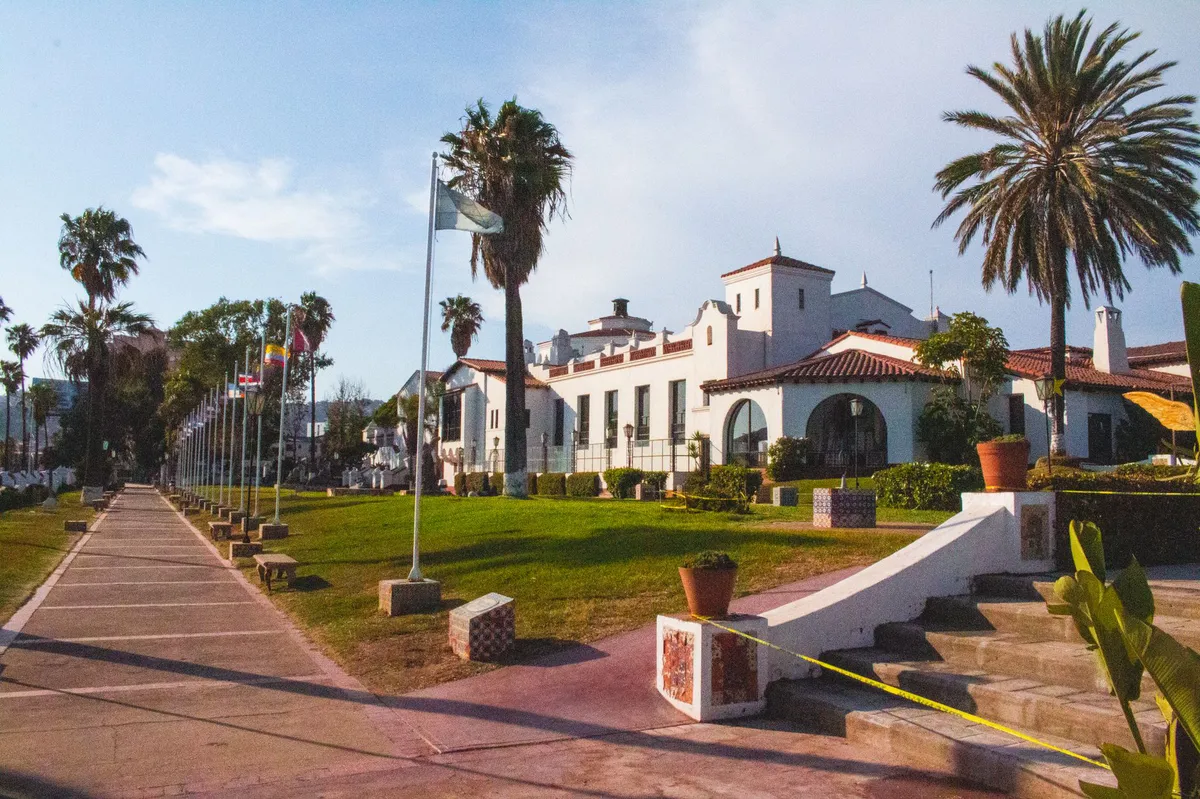
The sun-soaked beaches of Baja California, often celebrated for their stunning views and vibrant tourism, are now the backdrop for a harrowing legal drama that has captivated the attention of both locals and international observers. On May 3, 2024, the bodies of three surfers — two Australian brothers and their American friend — were discovered at the bottom of a makeshift well near Punta San José, an event that has shocked families and raised serious questions about safety in popular travel destinations. During the ongoing trial, forensic expert Claudia Cecilia Alvarado Murillo provided chilling testimony about the circumstances surrounding their deaths, revealing a scene marked by violence and despair.
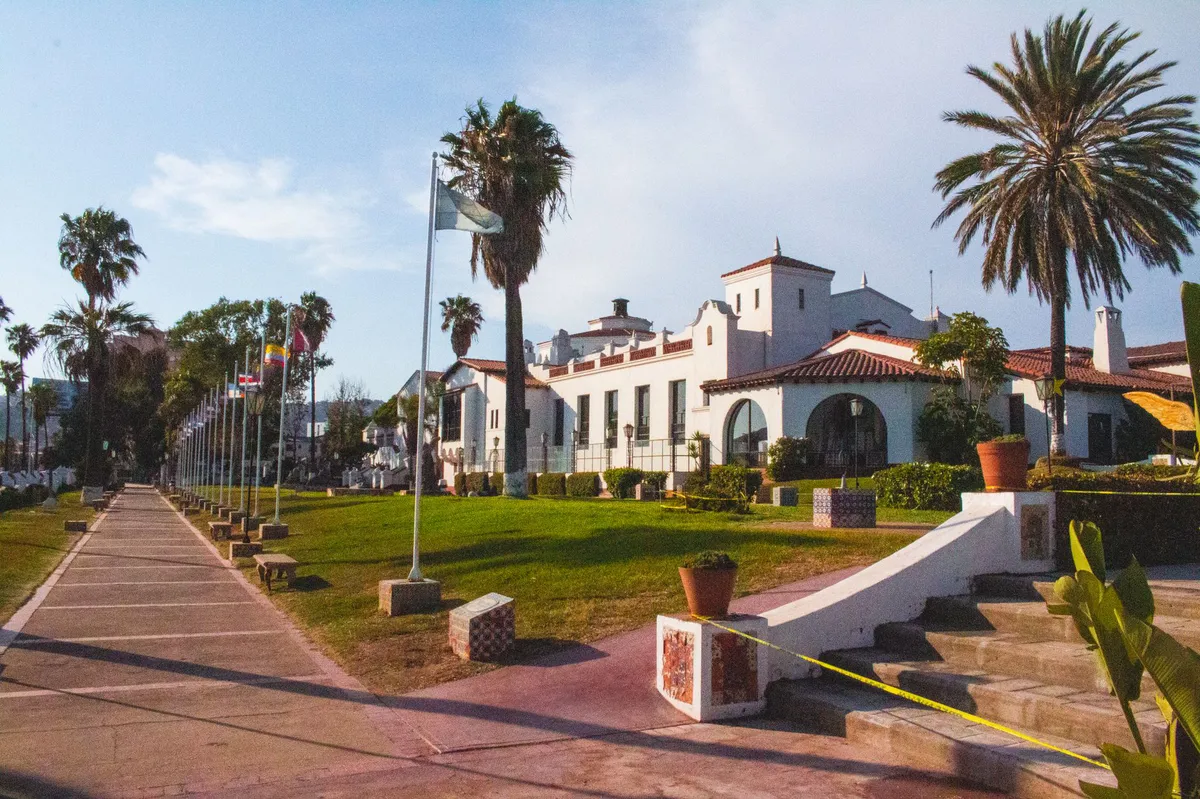
As the Baja 400 off-road rally surged through downtown Ensenada, filling hotels with spectators and participants, courtroom three of the Ensenada criminal courthouse became a somber place for mourning and justice-seeking. Claudia Alvarado Murillo, a forensics specialist from the Prosecutor’s Office of Baja California, detailed the evidence collected from a burned campsite close to the crime scene. The juxtaposition of a festive rally and the grim realities of the trial underscores the stark contrasts of life in tourist hotspots where crime can lurk in the shadows.
Details of the Discovery
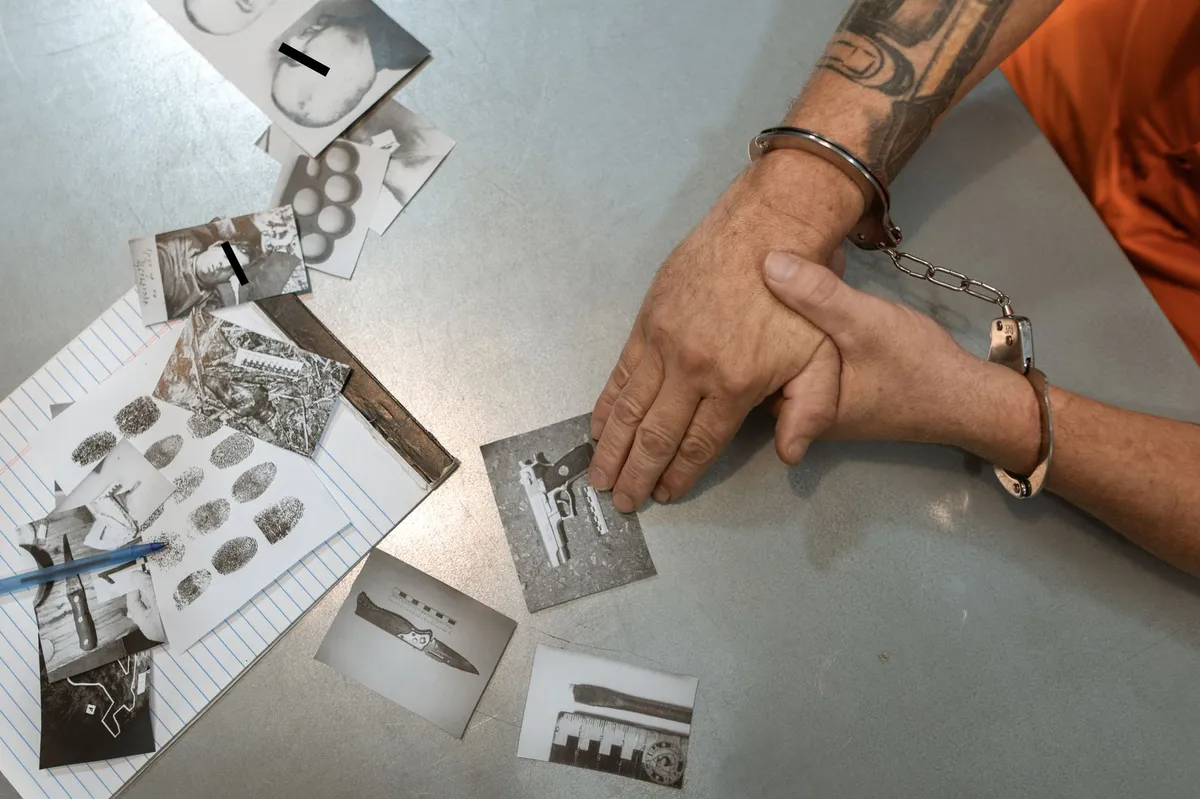
Alvarado Murillo's testimony highlighted the forensic work that uncovered crucial evidence in the case. She described finding blood, a tooth fragment, and a blood trail at the campsite, alongside gunshot materials and a blood-stained shirt, pieces of a puzzle that painted a disturbing picture of the events leading up to the deaths. The discovery of the bodies, which were reportedly decomposed and bore multiple gunshot wounds, has left families in anguish and questions swirling about the safety of the region.
Forensic Evidence and Testimonies
The trial has seen the presentation of graphic evidence, including photos showing the extraction of the bodies from the well, which was reported to be around 15 meters deep. Manuel Cepeda Portillo, the Crime Scene Administrator, recounted the challenging process of retrieving the bodies, which took several hours and required careful monitoring of gas levels in the well, highlighting the dangers faced by rescue personnel.
The traumatic nature of the evidence has had a profound impact on the families of the victims. Martin Robinson, father of the deceased brothers, reaffirmed his desire to witness the entirety of the proceedings, stating, “Thank you for the suggestion but we want to stay,” demonstrating a resolve to seek justice for his children. Meanwhile, Paige Rhoad, mother of Jack Carter Rhoad, expressed her own emotional turmoil, stating, “I’m not okay but I want to stay, thank you.”
Legal Framework and Implications
In Mexico, the legal process for homicide is governed by complex laws that differ significantly from those in the United States. The defendants — Jesús Gerardo, Irineo Francisco, and Ángel Jesús — face charges of aggravated homicide, aggravated robbery, violent robbery, and grand theft auto. Under Mexican law, the presumption of innocence is a cornerstone of the judicial process, but the evidence presented thus far paints a troubling picture of their involvement.
The trial's proceedings have raised critical issues about the collection of evidence and the integrity of investigations. The defense has focused on questioning the methods used by investigators, seeking to undermine the prosecution’s case by highlighting potential weaknesses in how evidence was gathered. This strategy reflects a broader trend in criminal defense, where the focus often shifts to procedural errors and the reliability of evidence to create reasonable doubt.
Witness Accounts and Investigative Challenges
Witness testimonies have played a crucial role in shaping the case. Josue Joaquin Sosa Fernández, the administrative manager for missing persons, testified about the timeline of events leading up to the discovery of the bodies. He noted that the victims' families had reported their disappearance just days prior, initiating a series of interviews that eventually led to the identification of one of the defendants. The investigative timeline, however, has been scrutinized, particularly regarding the order in which interviews were conducted and evidence was collected.
The Role of Family and Community
The emotional toll on the families of the victims has been palpable throughout the trial. Parents and relatives have expressed their grief and determination to see justice served, emphasizing the personal impact of such violent crime in what is typically a joyous setting like Ensenada. The courtroom has become a place not only for legal proceedings but also for public mourning and solidarity among those affected by the tragedy.
Key Takeaways
- Three surfers found dead: The bodies of two Australian brothers and their American friend were discovered in a well on May 3, 2024.
- Trial in progress: The defendants face serious charges including aggravated homicide and robbery amid a backdrop of mounting evidence.
- Impact on families: The victims’ families are actively participating in the trial, seeking justice for their loved ones.
- Legal complexities: Mexico's legal system presents unique challenges and differs significantly from the U.S. judicial process.
- Community response: The case has sparked discussions about safety and violence in tourist areas, highlighting the intersection of crime and travel.
Frequently Asked Questions
What charges are the defendants facing?
The defendants are charged with aggravated homicide, aggravated robbery, violent robbery, and grand theft auto. These charges reflect the severity of the crimes committed and the nature of the evidence presented in court. In Mexico, aggravated homicide is a serious offense that can carry significant penalties, including lengthy prison sentences if convicted.
How does the Mexican legal system differ from that of the U.S.?
The Mexican legal system operates on a civil law framework, which differs from the common law system used in the United States. In Mexico, legal proceedings are generally less adversarial, and the presumption of innocence is a fundamental principle. Evidence collection and its admissibility can vary significantly, with a focus on written documentation and formal procedures. Additionally, the role of the prosecutor and defense can differ in terms of their responsibilities and powers within the trial process.
What has been the community’s reaction to this case?
The community's reaction has been one of shock and concern, especially given that Ensenada is a popular tourist destination. Local residents and business owners are worried about the implications of such violence on tourism and safety perceptions in the area. The families of the victims have received support from the community, which has come together to demand justice and increased safety measures to prevent such tragedies in the future.
What can families do if they are affected by violent crime abroad?
Families affected by violent crime abroad should first connect with local authorities and seek assistance from their embassy or consulate. They can also engage legal counsel experienced in international law and criminal cases to navigate both local legal systems and their rights. Support networks, including community organizations and victim advocacy groups, can provide emotional and practical support during such traumatic times.
This article is for general informational purposes only and is not legal advice.
Comments
Navigating the Aftermath of Truck Accidents in Dallas: A Comprehensive Guide
Truck accidents can have devastating consequences, especially in freight-heavy areas like Dallas. Understanding the legal landscape and timely actions can significantly impact your recovery and outcome.

Related articles




Popular in Personal Injury
- Hawaii Supreme Court Overturns 36-Year-Old Rape Conviction Due to Forensic Flaws
- The Impact of Pro Bono Work by BigLaw Firms in 2025
- Albertsons Faces Trial Over Role in Washington's Opioid Crisis
- The Hidden Dangers of Open Manholes in New York City
- Historic $81 Million Verdict in Utah Pedestrian Wrongful Death Case