Court Upholds San Diego Ordinance Limiting Leafleting Near Schools
A federal judge supports San Diego's ordinance restricting leafleting near schools, citing student safety and well-being. This ruling highlights the balance between free speech and public safety.
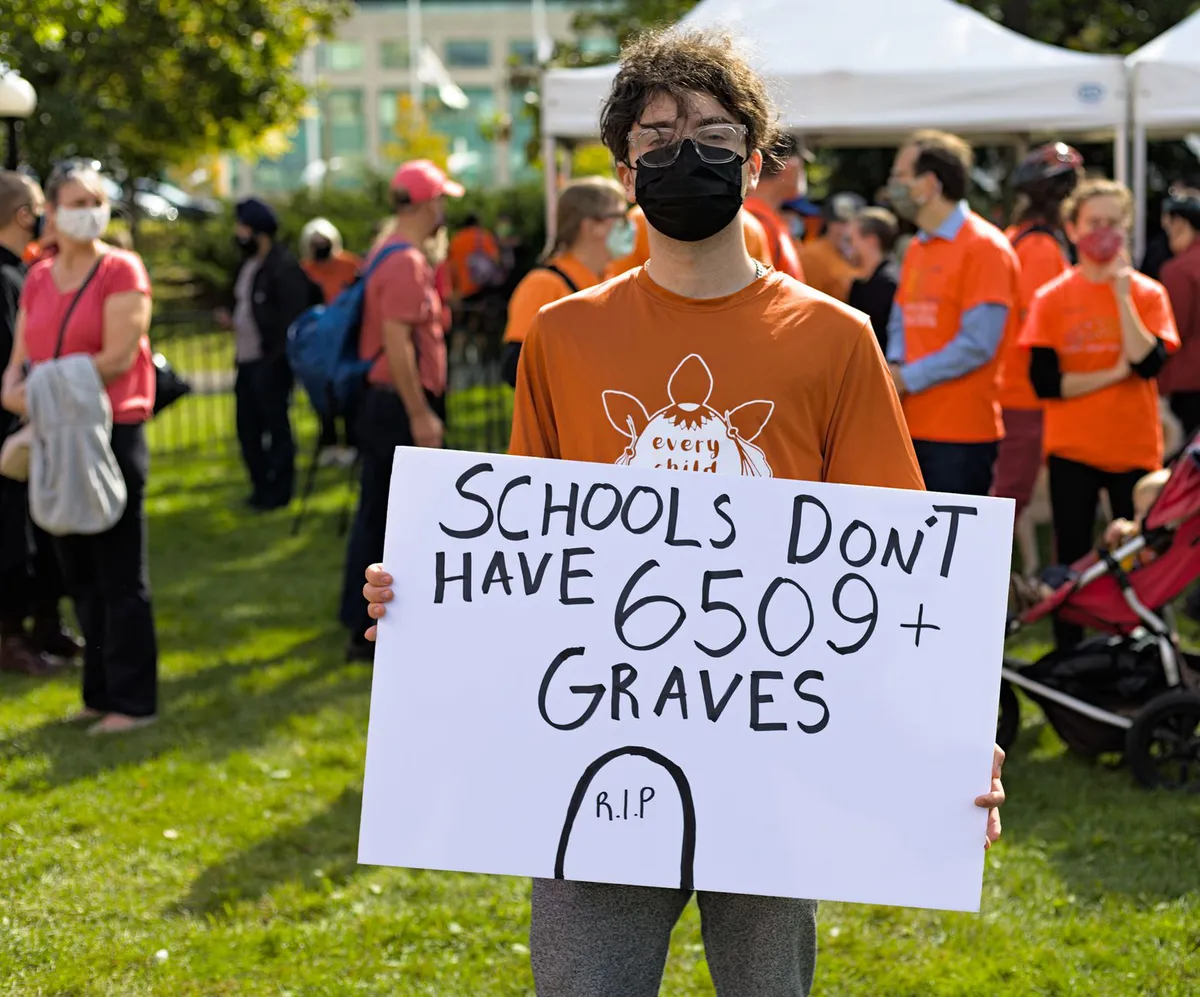
In a significant ruling that underscores the ongoing tension between free speech rights and public safety, a U.S. District Judge has upheld a San Diego ordinance designed to restrict leafleting in public spaces near schools. The decision, delivered by Judge Gonzalo Curiel, comes amid a broader national dialogue about the limits of protest, particularly in sensitive areas where minors are involved.
The case was brought by Don Blythe, an anti-abortion protester, who argued that the city's ordinance infringed upon his First and Fourteenth Amendment rights. The ordinance establishes a 100-foot buffer zone around school entrances, places of worship, and medical facilities, requiring demonstrators to obtain explicit permission from individuals within eight feet before engaging with them. Blythe contended that this law constituted an unconstitutional restriction on his ability to disseminate his message.
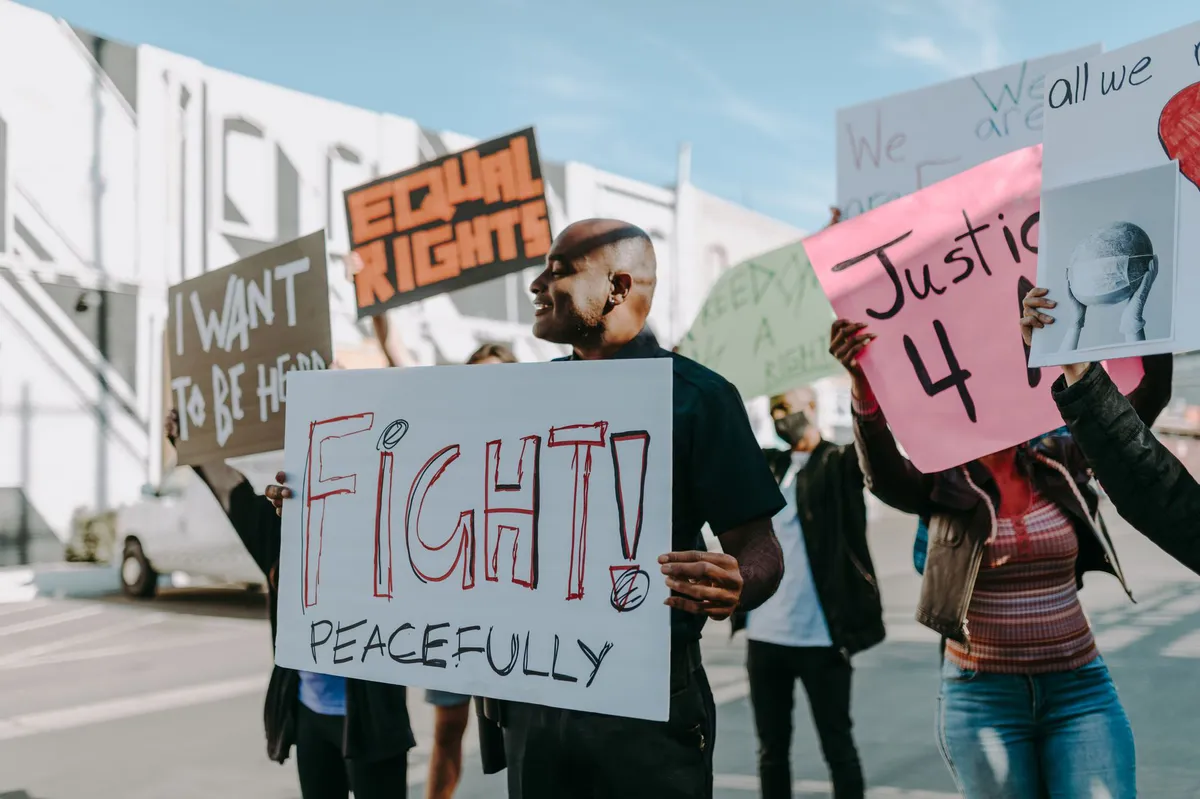
Legal Background of the Ordinance
The ordinance, which was updated in 2024, reflects a growing trend among municipalities to regulate protests and demonstrations in the vicinity of schools. Given the polarized political landscape surrounding issues like abortion, cities have increasingly sought to balance the rights of protesters with the need to ensure a safe environment for students. Judge Curiel noted that the law was enacted in a context marked by intense public debate, emphasizing the need to protect student well-being.
Judge Curiel's ruling was based on the principle of intermediate scrutiny, a legal standard that requires laws to further an important government interest and be narrowly tailored to achieve that interest. In this case, the court found that the ordinance serves a significant government interest—enhancing student safety and tranquility during school hours.
Key Elements of the Court's Decision
Judge Curiel's decision highlighted several key elements:
- Government Interest: The ordinance is aimed at protecting students from obstruction, harassment, and intimidation as they enter and exit school buildings.
- Narrow Tailoring: The law was deemed narrowly tailored, meaning it specifically targets behaviors that pose a risk to student safety without broadly infringing on free speech.
- Alternative Channels: The judge concluded that ample alternative channels for communication remain open for protesters, allowing them to express their views without disrupting students.
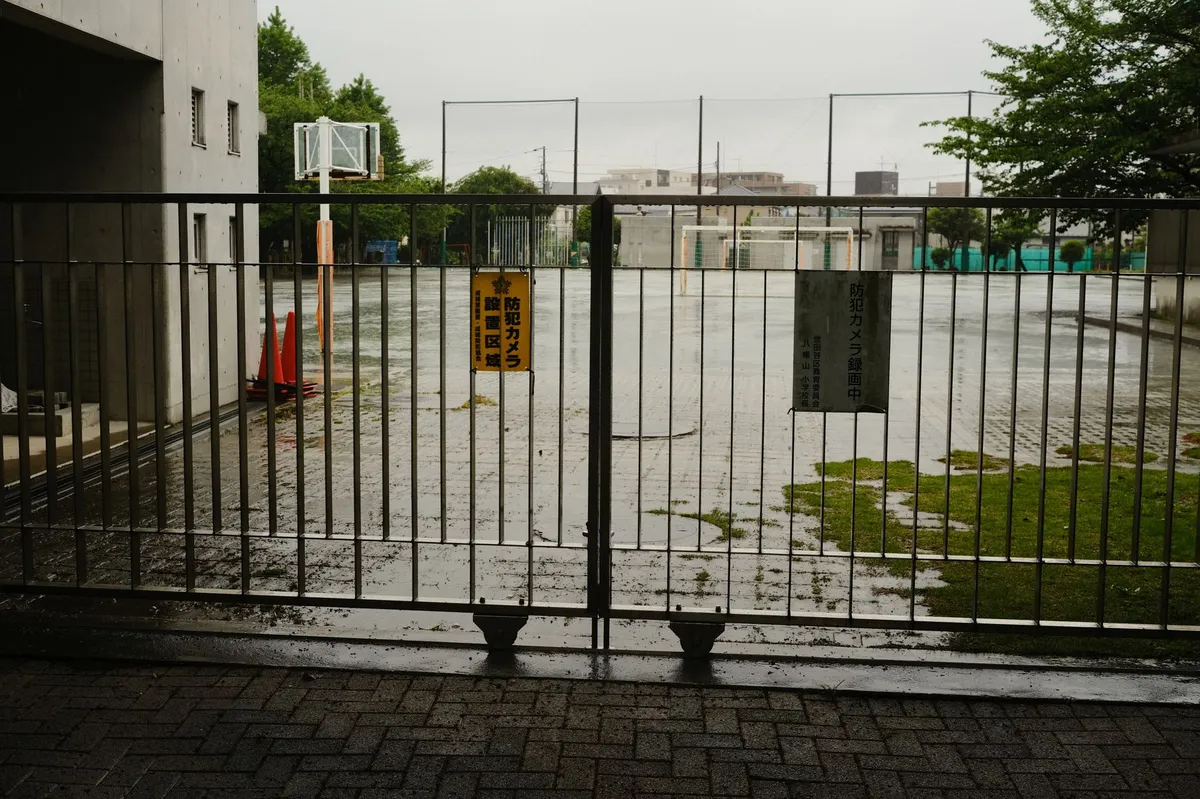
The Arguments in Court
Blythe’s legal team argued that the city failed to provide sufficient evidence demonstrating that activities such as leafleting had previously obstructed student movements. However, the court found the evidence presented, including a staff report detailing past physical altercations at Southern California schools, adequate to support the city’s claims of needing the ordinance.
In his ruling, Curiel noted that the city only needed to provide minimal evidence to justify the restrictions, emphasizing that the safety of students was a compelling enough reason to maintain the ordinance. The court's acceptance of the city's rationale underscores the judicial system's willingness to prioritize public safety over broad interpretations of free speech in certain contexts.
Implications for Free Speech and Activism
This ruling has broad implications for free speech advocates and activists across the United States. While the First Amendment guarantees the right to free speech, this case illustrates that such rights can be regulated, particularly in sensitive areas like schools where minors are present. The decision may serve as a precedent for other municipalities seeking to implement similar restrictions.
Activists, particularly those involved in contentious issues like abortion, may find themselves needing to adapt their strategies in light of such regulations. The ruling raises important questions about the effectiveness of outreach efforts in environments where restrictions are in place, and whether activists can still convey their messages without infringing upon the rights and safety of others.
Next Steps for the Plaintiff
Following the ruling, Blythe’s attorney, Michael Millen, expressed intentions to appeal the decision, asserting confidence that the Ninth Circuit Court of Appeals would recognize the city's restrictions as an unconstitutional infringement on free speech. The appeal process will likely focus on whether the ordinance indeed constitutes a valid restriction or an unjustified barrier to expression, setting the stage for a potentially significant legal battle.
As the case progresses through the appellate court system, it will be crucial for observers to track how the courts balance individual rights against community safety, particularly in an increasingly polarized social environment.
Key Takeaways
- The San Diego ordinance restricts leafleting within 100 feet of schools to enhance student safety.
- U.S. District Judge Gonzalo Curiel upheld the ordinance, citing the need for student tranquility and safety.
- The decision reflects a growing trend of municipalities regulating protests in sensitive areas.
- Activists may need to adapt their strategies in light of similar regulations.
- Blythe plans to appeal the decision, aiming for a broader interpretation of free speech rights.
Frequently Asked Questions
What is the significance of the San Diego ordinance?
The San Diego ordinance is significant because it represents a legal framework that prioritizes student safety over unrestricted free speech in public spaces near schools. The ruling indicates a judicial willingness to allow certain restrictions on free expression, particularly in environments where minors are present, which could influence similar legislation across the country.
How does this ruling affect protesters and activists?
This ruling affects protesters and activists by establishing legal precedents that may limit their ability to engage in demonstrations and distribute literature near schools. Activists may need to adjust their tactics to comply with such regulations while still effectively communicating their messages to the public.
What is the appeal process like in this case?
The appeal process in this case will involve Blythe's legal team presenting arguments to the Ninth Circuit Court of Appeals, seeking to overturn the lower court's decision. The appellate court will review the case's legal merits, considering issues related to free speech and public safety, which could result in a significant ruling impacting future cases.
What are the broader implications of this case?
The broader implications of this case extend beyond San Diego, as it may set a precedent for other cities grappling with similar issues of balancing free speech with community safety. The outcome could influence how municipalities craft regulations regarding protests and demonstrations in sensitive areas, particularly those involving minors.
This content is general information, not legal advice.
Comments
Navigating the Aftermath of Truck Accidents in Dallas: A Comprehensive Guide
Truck accidents can have devastating consequences, especially in freight-heavy areas like Dallas. Understanding the legal landscape and timely actions can significantly impact your recovery and outcome.

Related articles




Popular in Personal Injury
- Hawaii Supreme Court Overturns 36-Year-Old Rape Conviction Due to Forensic Flaws
- The Impact of Pro Bono Work by BigLaw Firms in 2025
- Albertsons Faces Trial Over Role in Washington's Opioid Crisis
- The Hidden Dangers of Open Manholes in New York City
- Historic $81 Million Verdict in Utah Pedestrian Wrongful Death Case