California Inmate Death Lawsuit: A Case of Deliberate Indifference?
The tragic death of inmate Luis Romero at Corcoran State Prison raises serious questions about prison officials' liability. This article explores the ongoing lawsuit filed by his mother, Dora Solares, as she seeks justice for her son's untimely death.
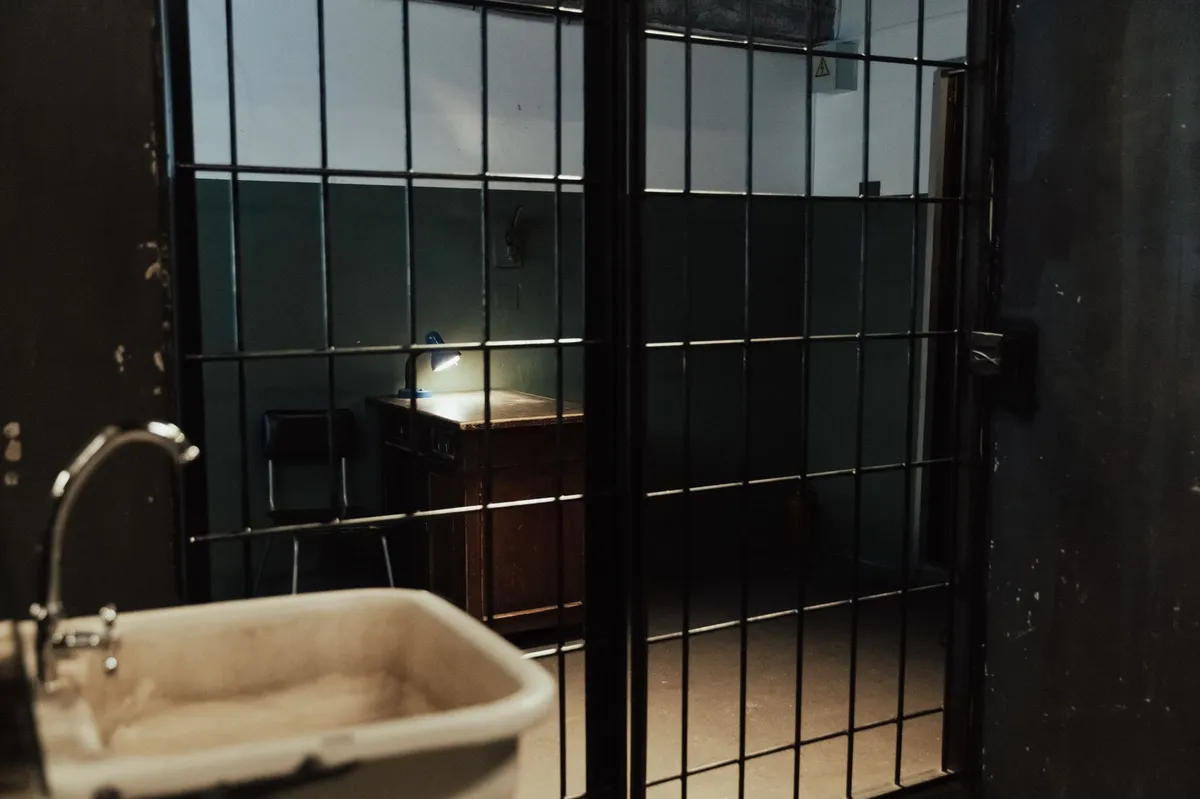
The case surrounding the death of Luis Romero, a California inmate at Corcoran State Prison, has sparked heated legal debates about prison safety, accountability, and the concept of deliberate indifference. In 2019, just two days after being transferred to the facility, Romero was killed by fellow inmate Jaime Osuna, who has a notorious history of violence. This tragic incident has led to a lawsuit filed by Romero's mother, Dora Solares, against several corrections officers accused of failing to protect her son from a known threat. As the case wends its way through the legal system, it raises critical questions about the obligations of prison officials to safeguard inmates and the standards of care expected in such environments.
The heart of Solares' argument is that prison officials were aware of Osuna's dangerous propensities yet still placed him in a cell with her son. This claim of deliberate indifference is central to the lawsuit, which seeks to hold the involved corrections officers accountable for their actions—or lack thereof. Legal representatives for the officers are pushing back, arguing that Solares needs to provide concrete evidence that the officers had direct knowledge of a substantial risk to Romero's safety for the lawsuit to proceed. This ongoing legal battle sheds light on the broader issues of inmate safety, prison overcrowding, and the responsibilities of correctional facilities to prevent violence among inmates.
The Incident: A Tragic Turn of Events
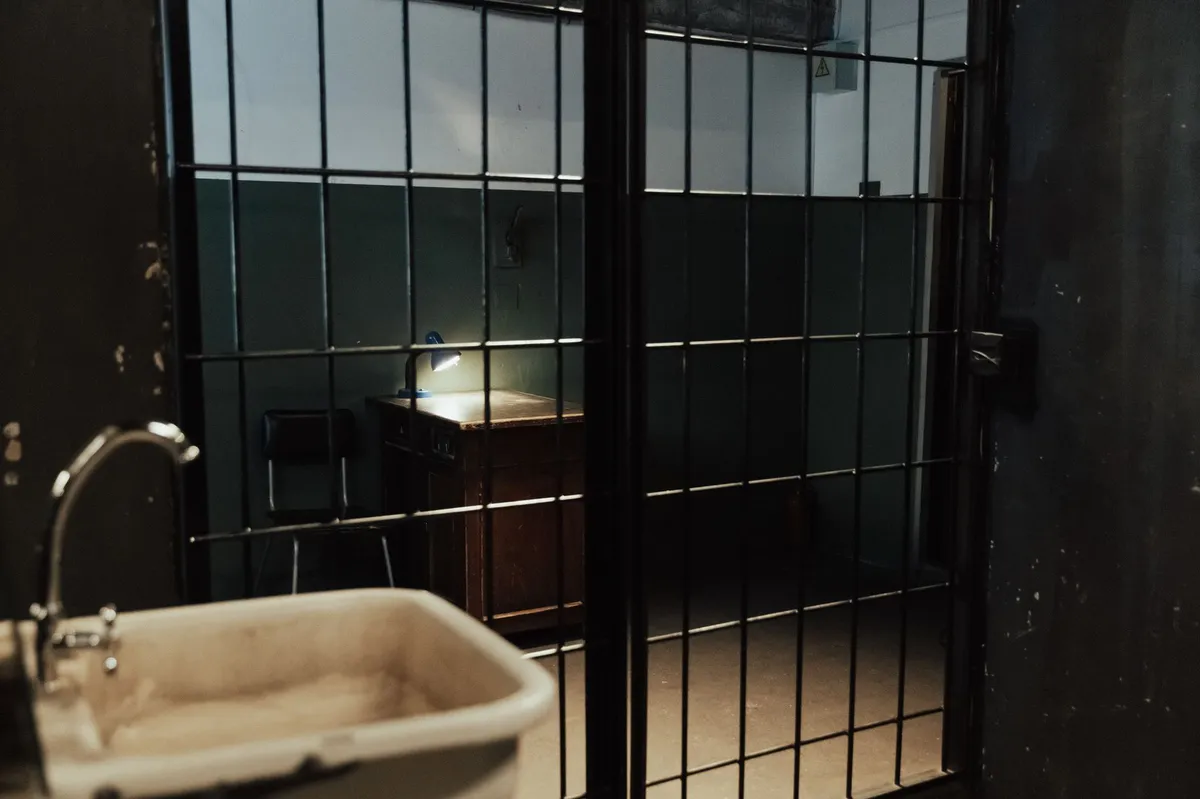
The incident that led to this lawsuit took place in 2019 when Luis Romero was transferred to Corcoran State Prison. Within just 48 hours of his arrival, he was placed in a cell with Jaime Osuna, despite Osuna's extensive history of rule violations and violent behavior. Osuna's record included 28 rule violations, primarily concerning staff interactions, but the implications of his history raise serious questions about the decision-making process of prison officials responsible for inmate safety.
During the hearing, U.S. District Judge Lee Rosenthal, appointed by President George H.W. Bush, expressed concern over the circumstances surrounding Romero's death. According to reports, Osuna had previously been kept in solitary confinement due to his violent tendencies, which would typically indicate a substantial risk to other inmates if he were to be placed with them. Legal representatives for the state argued that Osuna's history did not predict violence towards other inmates, which directly contradicts the reality faced by those living in the prison system.
The Legal Framework: Deliberate Indifference
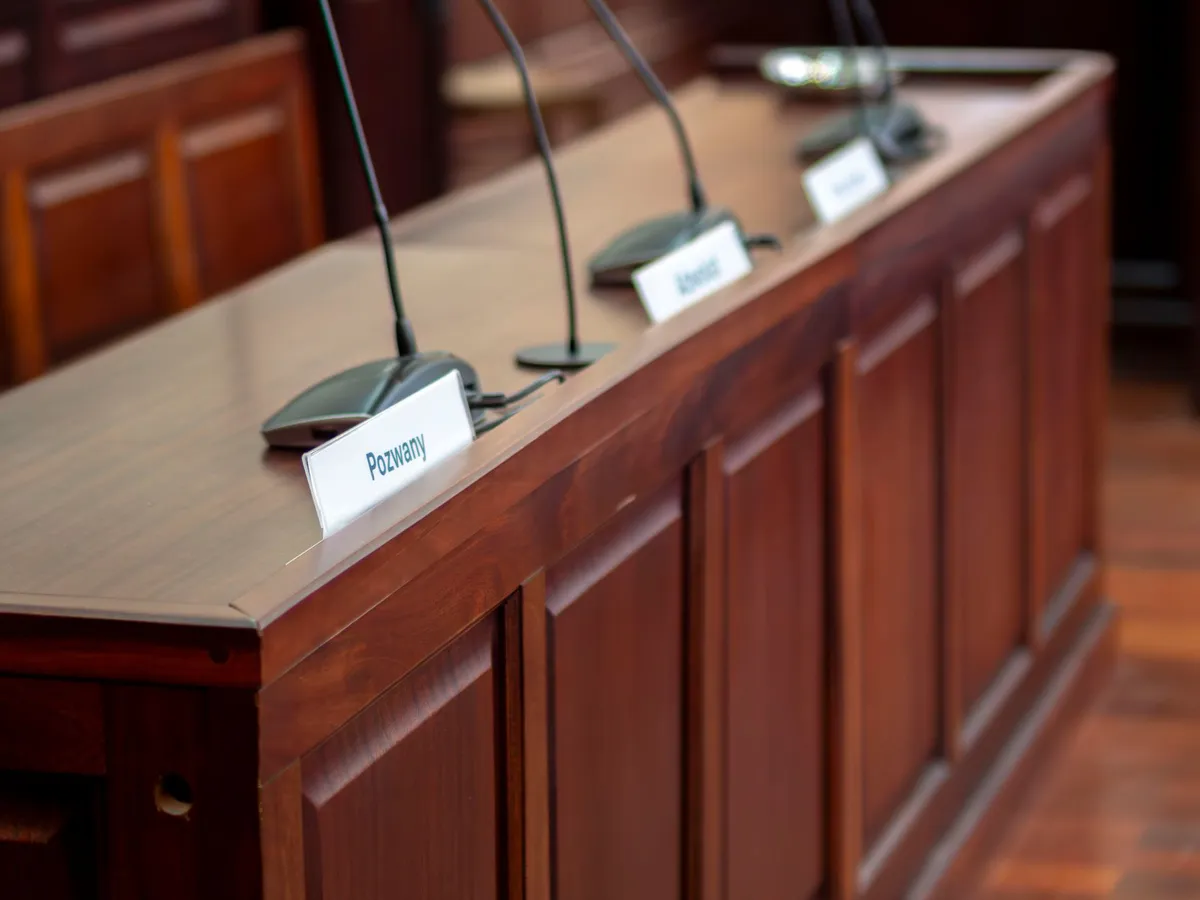
At the core of this case is the legal standard known as "deliberate indifference," which is often invoked in lawsuits involving allegations of inadequate care or protection in correctional settings. Under U.S. law, to establish deliberate indifference, it must be demonstrated that prison officials knew of a significant risk to an inmate and consciously disregarded that risk. This legal standard is rooted in the Eighth Amendment, which prohibits cruel and unusual punishment in the U.S. penal system.
Understanding Deliberate Indifference
For Solares to succeed in her lawsuit, she must provide evidence that the prison officials were aware of the specific dangers posed by Osuna and chose to ignore them. This may involve demonstrating that the officers had access to Osuna's disciplinary records, were aware of specific incidents that highlighted his violent behavior, or ignored clear warning signs that placing Romero in the same cell was unsafe. The legal arguments presented by both sides will likely hinge on the interpretation of facts and the subjective intentions of the officers involved.
Implications of the Case: Accountability in the Prison System
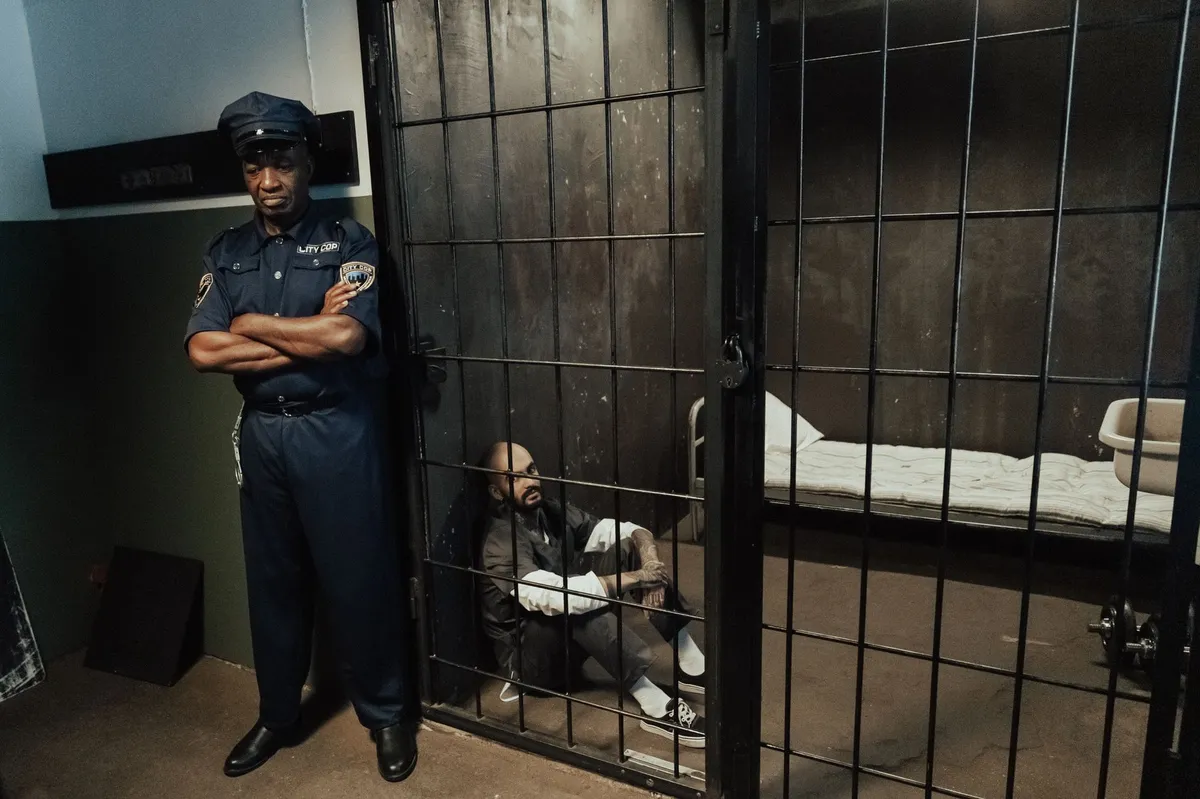
The outcome of this case extends beyond the individual tragedy of Luis Romero's death; it resonates with many issues facing the U.S. prison system. As prisons grapple with overcrowding, understaffing, and inadequate resources, the safety of inmates often becomes compromised. The potential liability of prison officials in cases like these raises questions about how correctional facilities operate and whether they can be held accountable for failings in their duty to protect inmates.
Broader Context
The legal battle being waged in this case is part of a larger narrative regarding prison reform and the treatment of inmates within the American penal system. High-profile cases of inmate violence and death have drawn scrutiny to the conditions in which inmates are kept, as well as the policies governing inmate classification and housing. As advocates push for reform, this case serves as a critical touchpoint in discussions about the need for improved safety measures and the responsibilities of correctional officers.
- Prison overcrowding can exacerbate violence among inmates.
- Inadequate training for prison officials may lead to poor decision-making.
- Legal accountability is essential for protecting inmate rights.
Key Takeaways
- This lawsuit highlights the critical issue of inmate safety within correctional facilities.
- Deliberate indifference is a high legal standard that requires substantial evidence of knowledge and disregard for risks.
- The outcome may influence future policies regarding inmate classification and housing decisions.
Frequently Asked Questions
What is deliberate indifference in a legal context?
Deliberate indifference refers to a legal standard used in cases involving the rights of incarcerated individuals. It occurs when prison officials are aware of a substantial risk of harm to an inmate yet fail to take appropriate steps to mitigate that risk. To prove deliberate indifference, evidence must show that officials had knowledge of the danger and conscious disregard for the inmate's safety. This standard is crucial in civil lawsuits against correctional facilities and their staff.
What are the potential outcomes of this lawsuit?
The potential outcomes of this lawsuit could vary significantly. If Dora Solares is successful, it could lead to financial compensation for the wrongful death of her son, as well as changes in prison policies regarding inmate safety. Conversely, if the defendants prevail, it may set a precedent for how courts interpret deliberate indifference in future inmate injury or death cases, potentially making it more challenging for victims' families to seek justice.
How does the prison system handle inmate safety?
Inmate safety is a critical concern for correctional facilities, governed by various policies and procedures designed to minimize violence and ensure the well-being of individuals in custody. This includes risk assessments during inmate classification, housing assignments, and protocols for monitoring inmate behavior. However, issues such as overcrowding and resource limitations can hinder the effectiveness of these safety measures, leading to incidents like the one that resulted in Luis Romero's death.
What legal recourse do families have in cases of inmate death?
Families of deceased inmates may pursue legal recourse through civil lawsuits, claiming wrongful death or negligence against prison officials and staff. These lawsuits often hinge on proving that the facility or its employees violated the rights of the inmate or failed in their duty to protect them. Depending on the circumstances, families may seek damages for emotional distress, funeral expenses, and loss of companionship, among other considerations.
This article is for informational purposes only and does not constitute legal advice.
Comments
Navigating the Aftermath of Truck Accidents in Dallas: A Comprehensive Guide
Truck accidents can have devastating consequences, especially in freight-heavy areas like Dallas. Understanding the legal landscape and timely actions can significantly impact your recovery and outcome.

Related articles





Popular in Personal Injury
- Hawaii Supreme Court Overturns 36-Year-Old Rape Conviction Due to Forensic Flaws
- The Impact of Pro Bono Work by BigLaw Firms in 2025
- Albertsons Faces Trial Over Role in Washington's Opioid Crisis
- The Hidden Dangers of Open Manholes in New York City
- Historic $81 Million Verdict in Utah Pedestrian Wrongful Death Case