Planned Parenthood of Wisconsin Challenges Restrictive Abortion Laws in Landmark Suit
Planned Parenthood of Wisconsin has filed a lawsuit against state authorities to challenge restrictive abortion laws that hinder access to timely care. The suit aims to uphold women's rights and bodily autonomy in the face of increasing legislative barriers.

In a bold move that could reshape the landscape of reproductive rights in Wisconsin, Planned Parenthood of Wisconsin has initiated a lawsuit against the Medical Examining Board and statewide district attorneys. This legal action directly challenges the constitutionality of two restrictive abortion statutes that hinder access to abortion care in the state. The case, which argues for the protection of individual liberty and bodily autonomy, underscores the ongoing national debate surrounding reproductive rights and the implications of legislative control over personal health decisions.
“Freedom means being able to make the decisions that shape our lives and futures,” stated Tanya Atkinson, president and CEO of Planned Parenthood of Wisconsin. “No politician should have the power to make a deeply personal pregnancy decision for someone else. Wisconsin’s Constitution promises liberty to all of us, and this case asks our courts to protect that promise.”
Understanding the Legal Landscape of Abortion in Wisconsin
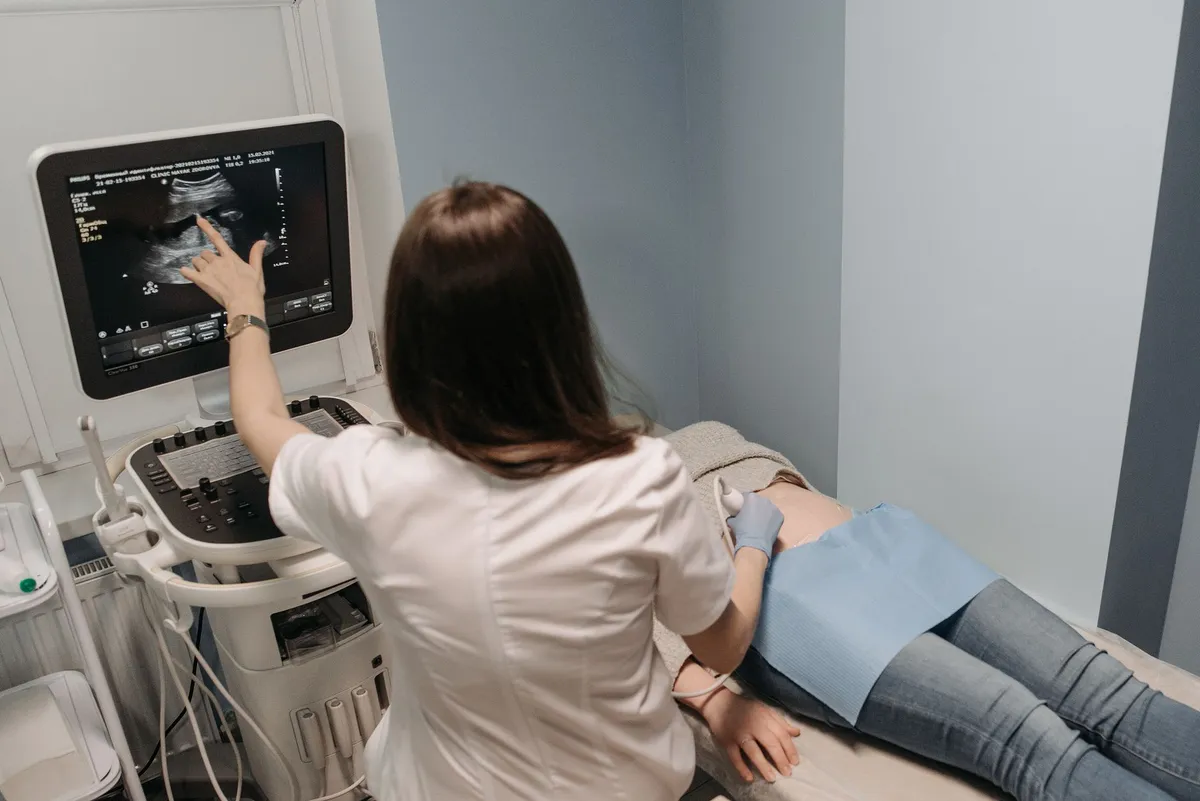
Wisconsin has long been categorized as a restrictive state when it comes to abortion access. According to the Guttmacher Institute, a leading research and policy organization, the state imposes numerous barriers that complicate the process for individuals seeking abortions. Under current Wisconsin law, abortions can only be performed within 20 weeks after fertilization. However, before a patient can receive an abortion, they must undergo an in-person counseling session and be subjected to an ultrasound, even in cases where it may not be medically necessary. This requirement is one of the many hurdles that advocates argue unnecessarily complicate and delay access to care.
Key Statutes Under Challenge
The lawsuit specifically targets two statutes that Planned Parenthood claims create significant obstacles for patients and healthcare providers:
- Physician-Only Requirement: This law mandates that only licensed physicians can perform abortions, categorizing it as a Class I felony for non-physicians to conduct the procedure. Additionally, it requires that the same physician conduct both the pre-procedure examination and the abortion, further complicating access.
- 24-Hour Waiting Period: Wisconsin law necessitates a 24-hour waiting period between receiving counseling and the procedure itself. Advocates argue that this waiting period serves no purpose other than to burden patients with additional costs and delays, especially since most individuals have already made their decision long before the waiting period begins.
Planned Parenthood contends that these laws violate the equal protection clause, as they impose different requirements on those seeking abortions compared to individuals seeking other pregnancy-related healthcare services. For instance, there is no waiting period required for those deciding to continue their pregnancy, which underscores the discriminatory nature of these laws.
Implications for Women’s Health and Rights
The implications of this lawsuit extend beyond legal technicalities; they touch upon fundamental issues regarding women's health and rights. Abortion is a medical procedure that approximately one in four women will experience by age 45, according to Planned Parenthood. The organization emphasizes that the health risks associated with pregnancy, labor, and childbirth are often greater than those associated with abortion, making access to safe and timely abortion care crucial.
Moreover, the lawsuit is bolstered by the fact that many qualified healthcare providers, such as advanced practice registered nurses and physician assistants, are barred from offering abortion care under current laws, despite their extensive training and experience. This limitation is particularly poignant in light of testimony from individual plaintiffs like Natalee Hartwig, who has successfully provided abortions in Illinois, where non-physicians are permitted to perform the procedure.

Legal Precedents and Historical Context
This lawsuit comes in the wake of significant changes in the legal landscape surrounding abortion rights in Wisconsin. In July 2025, the Wisconsin Supreme Court struck down an 1849 abortion ban that had been effectively out of use for decades, following the nationwide overturning of Roe v. Wade. This landmark decision revealed the ideological divisions within the court and highlighted the ongoing struggle for reproductive rights in the state.
The court found that the restrictive ban had been implicitly repealed by decades of legislation regulating legal abortions, including the very statutes now under challenge. The dissenting opinion from conservative justices illustrated the contentious nature of abortion rights in the state, suggesting that future legal battles are likely as advocacy groups continue to challenge restrictive laws.
What Planned Parenthood Seeks Through the Lawsuit
Through this lawsuit, Planned Parenthood of Wisconsin seeks not only to challenge the constitutionality of the statutes but also to affirm the rights of women to make autonomous decisions regarding their reproductive health. The organization is asking the court to issue a permanent injunction against the enforcement of these laws, declaring them unconstitutional and detrimental to the rights of Wisconsin women under Article I, Section 1 of the Wisconsin Constitution.
The legal grounds for this lawsuit rest on fundamental principles of liberty and bodily autonomy, which Planned Parenthood argues are being significantly curtailed by the current restrictions. In their 41-page complaint, they assert that the statutes disproportionately affect women and infringe upon their rights compared to other individuals seeking medical care.

Key Takeaways
- Planned Parenthood of Wisconsin has filed a lawsuit challenging restrictive abortion laws that create barriers to care.
- The lawsuit targets two main statutes: a physician-only requirement and a 24-hour waiting period.
- Equal protection violations: The current laws treat women seeking abortions differently from other patients.
- Historical context: This legal move follows the Wisconsin Supreme Court's recent decision to strike down an 1849 abortion ban.
Frequently Asked Questions
What are the main issues being challenged in the lawsuit?
Planned Parenthood is challenging two primary statutes: the requirement that only licensed physicians can perform abortions and the mandatory 24-hour waiting period for patients seeking the procedure. The organization argues that these laws create unnecessary barriers to care, violate equal protection rights, and infringe upon women's autonomy in making personal health decisions.
How do these laws affect access to abortion services?
The physician-only requirement limits the ability of qualified healthcare providers, such as nurse practitioners and physician assistants, to offer abortion services. This restriction can lead to increased wait times and fewer available appointments for patients. Additionally, the 24-hour waiting period adds further delays and costs, making timely access to abortion care more difficult for those seeking it.
What could be the outcome of this lawsuit?
If the court rules in favor of Planned Parenthood, it could lead to significant changes in Wisconsin's abortion laws, potentially enabling a broader range of qualified healthcare providers to perform abortions and eliminating the waiting period requirement. This outcome could set a precedent for similar legal challenges in other states with restrictive abortion laws, influencing the national conversation on reproductive rights.
Why is this lawsuit important for women’s rights?
This lawsuit is crucial as it addresses fundamental issues of bodily autonomy and equal treatment under the law. By challenging these restrictive abortion laws, Planned Parenthood aims to ensure that women have the right to make their own healthcare decisions without undue legislative interference. A favorable ruling could strengthen women's rights and access to reproductive healthcare not only in Wisconsin but across the country.
This content is general information, not legal advice.
Comments
Navigating the Aftermath of Truck Accidents in Dallas: A Comprehensive Guide
Truck accidents can have devastating consequences, especially in freight-heavy areas like Dallas. Understanding the legal landscape and timely actions can significantly impact your recovery and outcome.

Related articles





Popular in Personal Injury
- Hawaii Supreme Court Overturns 36-Year-Old Rape Conviction Due to Forensic Flaws
- The Impact of Pro Bono Work by BigLaw Firms in 2025
- Albertsons Faces Trial Over Role in Washington's Opioid Crisis
- The Hidden Dangers of Open Manholes in New York City
- Historic $81 Million Verdict in Utah Pedestrian Wrongful Death Case