Lowe's Faces Class Action Over Alleged Voiceprint Collection
A class action lawsuit claims Lowe's is unlawfully collecting voiceprints from customers without consent, raising significant privacy concerns under Illinois law.

In an era where personal data is often seen as the new currency, a class action lawsuit against Lowe's, the prominent home improvement retailer, has highlighted concerning practices surrounding customer privacy. The lawsuit, initiated by lead plaintiff Rosemarie Perkins, alleges that Lowe's has been secretly collecting voiceprints from customers who call its customer service lines. This collection of sensitive biometric data raises significant questions about consent, privacy rights, and the implications of emerging technologies in the retail sector.
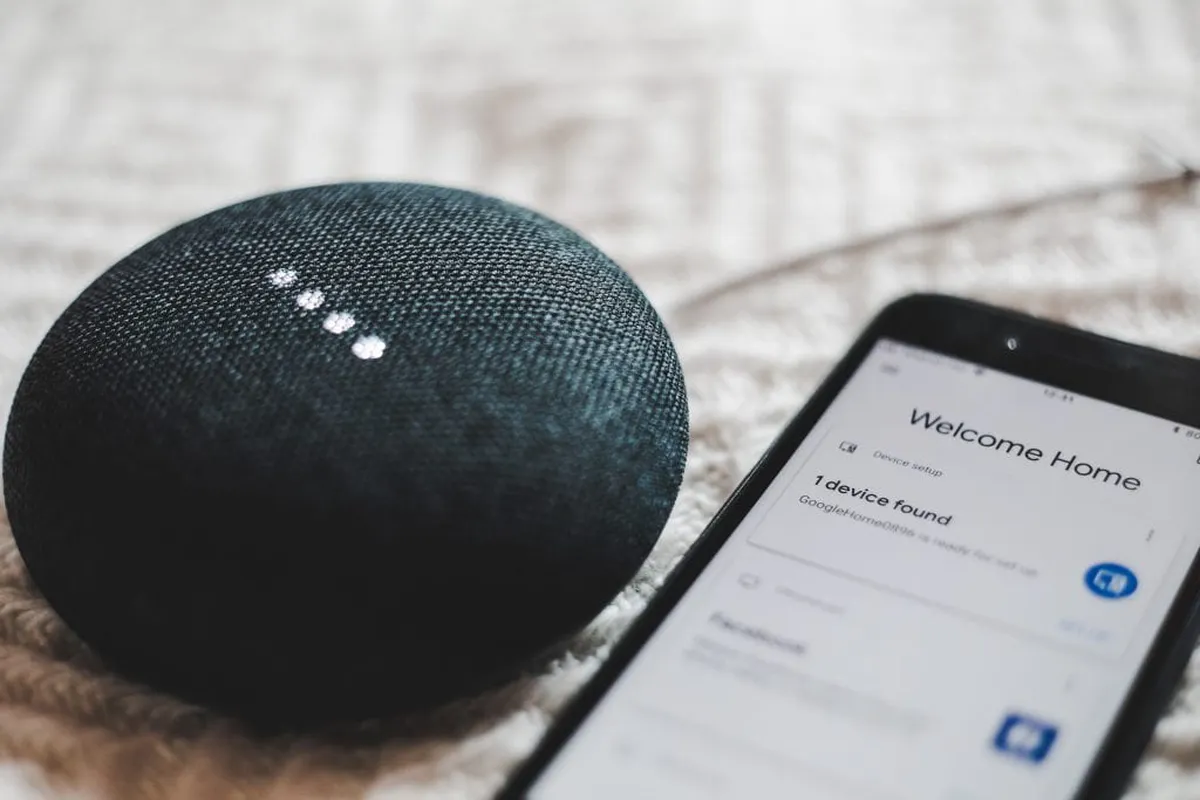
Perkins, a resident of Illinois, claims that during her attempt to resolve a customer service issue in May, her voice was recorded and analyzed without her knowledge or consent. According to the suit, Lowe's does not merely record calls for quality assurance purposes—a common practice among businesses—but engages in a more intrusive process that captures unique vocal characteristics. This technology, known as voice biometrics, transforms a person's voice into a mathematical representation, creating a voiceprint that could be used for tracking and identification.
Understanding the Lawsuit
The class action, filed in the Circuit Court of Cook County, aims to represent all Illinois residents who have called Lowe's customer service and had their voiceprints captured without being informed. Perkins argues that Lowe's engagements with customers are not innocuous and that the company has violated the Illinois Biometric Information Privacy Act (BIPA), which was enacted in 2008 to safeguard citizens' biometric data.
BIPA requires companies to obtain informed consent before collecting, using, or disclosing biometric information, including voiceprints. Perkins contends that Lowe's failed to notify her or any other callers of its practices, thereby infringing on their rights. Furthermore, the lead plaintiff argues that had she been aware of the biometric processing, she would have chosen not to use Lowe's customer service line.

The Implications of Voice Biometric Technology
The use of voice biometrics is increasingly prevalent in various sectors, including retail, banking, and law enforcement, primarily due to its potential to enhance security and streamline customer interactions. However, this technology poses unique risks, particularly concerning privacy. Unlike passwords or PINs, which can be changed when compromised, a person’s voiceprint is unchangeable. If such sensitive data is leaked or misused, the consequences for consumers can be severe.
The Federal Trade Commission (FTC) has also weighed in on this issue, emphasizing the inherent risks associated with biometric technologies. In a 2023 statement, the FTC highlighted that the rapid adoption of these technologies can lead to unauthorized access to sensitive accounts, identity theft, and potentially amplify existing social inequalities, as certain groups—like women, the elderly, and racial minorities—may be disproportionately affected by errors in biometric processing.
Previous Legal Precedents
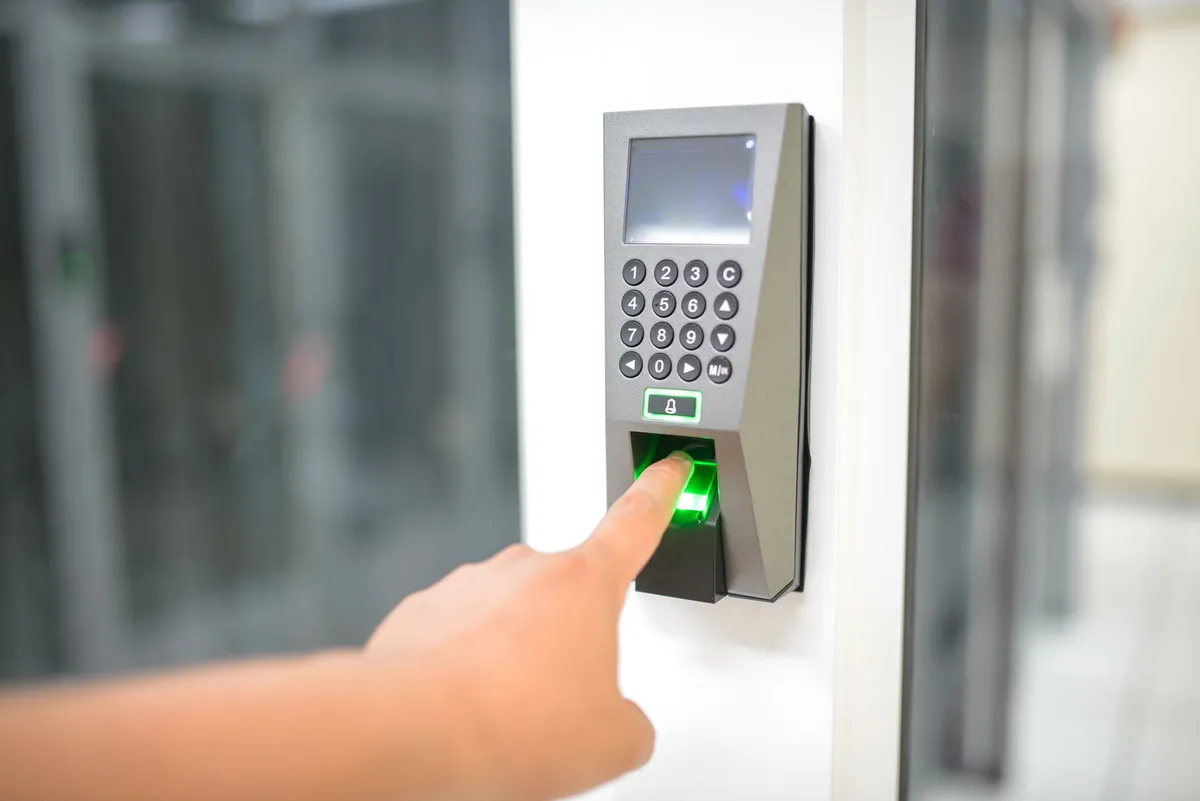
This case against Lowe's is not an isolated incident; it reflects a broader trend in which consumers are becoming increasingly vigilant about how their biometric data is handled. For instance, in August 2023, a group of Walmart customers filed a similar class action lawsuit alleging unauthorized voiceprint collection. Additionally, a notable settlement occurred in a 2019 case involving employees of White Castle, who sued the fast-food chain for violations of biometric privacy laws related to mandatory fingerprint scanning. In that case, the employees were awarded over $9 million, underscoring the potential financial repercussions for companies that do not comply with BIPA.
These precedents serve as a warning to corporations that the mishandling of biometric information can lead to significant legal and financial consequences. As consumers become more aware of their rights, businesses must ensure they have robust policies in place to safeguard personal data.
Potential Damages and Impact on Lowe's
The class action suit against Lowe's seeks statutory damages ranging from $1,000 to $5,000 for each violation of the Illinois Biometric Information Privacy Act. Given the high volume of customer service calls Lowe's receives, the potential total damages could reach astronomical figures if the court finds in favor of the plaintiffs.
For Lowe's, the stakes are particularly high, not just in terms of financial liability but also regarding its reputation. As the lawsuit unfolds, it will be crucial for the company to address these allegations transparently and to reassess its data collection and customer service practices. A failure to do so could lead to increased scrutiny from regulators and a loss of consumer trust.
- Privacy Risks: Biometric data, like voiceprints, cannot be changed if compromised.
- Legal Precedents: Similar lawsuits against major corporations can result in significant settlements.
- Consumer Awareness: Increasing consumer vigilance regarding biometric data collection practices.
- Lowe's Liability: Potential damages could total millions based on the number of affected calls.
Key Takeaways
- Lowe's is facing a class action lawsuit over unauthorized voiceprint collection from customers.
- The lawsuit alleges violations of the Illinois Biometric Information Privacy Act, emphasizing the need for consumer consent.
- Voice biometric technology raises significant privacy concerns, especially regarding data security.
- Previous legal cases highlight the potential financial liabilities for companies that mishandle biometric data.
Frequently Asked Questions
What is voice biometrics, and how does it work?
Voice biometrics is a technology that analyzes the unique characteristics of a person's voice to create a voiceprint, which acts like a fingerprint for identification purposes. This technology translates vocal traits into a mathematical representation, enabling systems to recognize and authenticate individuals based on their voice alone. While it can enhance security and streamline processes, it also raises privacy concerns, as voiceprints are inherently tied to an individual and cannot be changed if compromised.
What are the implications of the Illinois Biometric Information Privacy Act?
The Illinois Biometric Information Privacy Act (BIPA) imposes strict regulations on the collection and use of biometric information, including voiceprints. Under BIPA, companies must inform individuals about the collection of their biometric data and obtain written consent before doing so. Violations of this act can result in statutory damages, which can accumulate quickly based on the number of affected individuals, thereby incentivizing businesses to prioritize consumer privacy.
How could this lawsuit affect Lowe's business practices?
The ongoing lawsuit could prompt Lowe's to re-evaluate its data collection practices and customer service protocols. If the court finds in favor of the plaintiffs, Lowe's may face significant financial penalties and increased scrutiny from regulators. Additionally, the lawsuit may encourage the company to adopt more transparent practices regarding customer data and to prioritize compliance with privacy laws to rebuild consumer trust.
What should consumers do if they believe their biometric data has been misused?
Consumers who suspect that their biometric data has been collected or misused without their consent should document their experiences and seek legal advice to understand their rights. They may consider joining existing class action lawsuits or pursuing individual claims against companies that violate privacy laws. Staying informed about privacy rights and recent legal developments can empower consumers to take action against unauthorized data collection practices.
This article is for informational purposes only and does not constitute legal advice.
Comments
Navigating the Aftermath of Truck Accidents in Dallas: A Comprehensive Guide
Truck accidents can have devastating consequences, especially in freight-heavy areas like Dallas. Understanding the legal landscape and timely actions can significantly impact your recovery and outcome.

Related articles



Popular in Personal Injury
- Hawaii Supreme Court Overturns 36-Year-Old Rape Conviction Due to Forensic Flaws
- The Impact of Pro Bono Work by BigLaw Firms in 2025
- Albertsons Faces Trial Over Role in Washington's Opioid Crisis
- The Hidden Dangers of Open Manholes in New York City
- Historic $81 Million Verdict in Utah Pedestrian Wrongful Death Case