Appeal of Fraud Conviction: Insights from SCOTUSblog's Tom Goldstein
Tom Goldstein, founder of SCOTUSblog, has appealed a fraud conviction, raising significant legal questions. This article delves into the implications and broader context of this case.
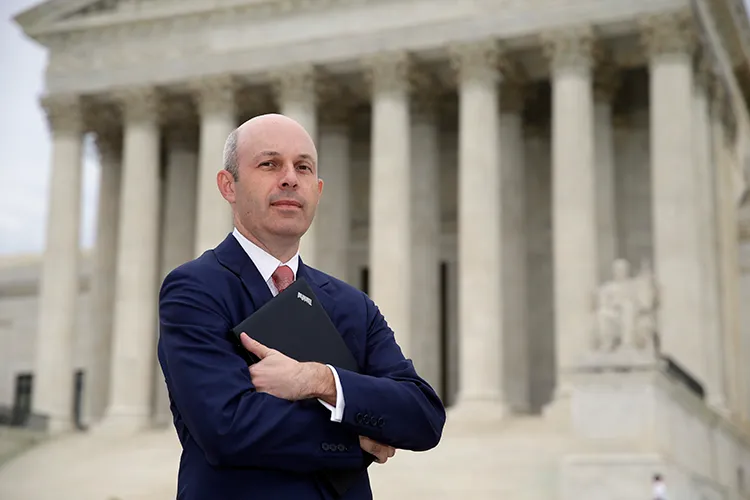
In a notable development within the legal community, Tom Goldstein, the esteemed founder of SCOTUSblog, is appealing a fraud conviction that has garnered considerable attention. Goldstein, recognized for his pivotal role in legal journalism and advocacy, now finds himself navigating the complexities of the judicial system from a different perspective — that of a defendant. This appeal not only raises questions about the specifics of the conviction itself but also highlights broader issues related to legal ethics, the integrity of legal proceedings, and the potential ramifications for public trust in the justice system.
Goldstein's case serves as a stark reminder that even those entrenched in the legal sphere are not immune to the challenges of the law. As the appeal unfolds, various layers of the legal process come into play, from the grounds for appeal to the potential outcomes, which could reshape both Goldstein's career and public perception of legal accountability.

Understanding the Fraud Conviction
At the heart of Goldstein's appeal lies his fraud conviction, which raises critical questions about the evidence presented during the trial and the legal standards applied. Fraud, in legal terms, generally refers to wrongful or criminal deception intended to result in financial or personal gain. Convictions for fraud can carry severe penalties, including significant fines and prison time, depending on the nature of the offense and the jurisdiction.
The Nature of the Allegations
The specific allegations against Goldstein involve claims of deceptive practices that purportedly misled clients and stakeholders. To understand the gravity of these allegations, it’s essential to consider the legal definition of fraud, which typically requires proving that the accused knowingly made false representations with the intent to deceive.

The Appeal Process Explained
Goldstein’s decision to appeal the conviction is a critical step in the judicial process that allows for the review of potentially erroneous legal decisions made during the trial. Appeals generally focus on specific legal errors, such as improper jury instructions, insufficient evidence, or prosecutorial misconduct. Understanding how the appeal process works is crucial for anyone following this case.
- Notice of Appeal: The first step is filing a notice of appeal, which officially brings the case before a higher court.
- Record on Appeal: The appellate court reviews the trial record, including transcripts and evidence presented.
- Briefs Submission: Both sides submit written briefs outlining their arguments regarding the legal issues at stake.
- Oral Arguments: In some cases, attorneys may present oral arguments before the appellate judges.
- Decision: The appellate court will issue a decision that could affirm, reverse, or remand the case back to the lower court.

Implications of Goldstein's Case
The implications of Goldstein's appeal extend beyond his individual circumstances. As a public figure and influential legal commentator, any outcomes from this case could resonate throughout the legal community. If the conviction stands, it could set a precedent for how similar cases are handled in the future, particularly regarding the accountability of legal professionals.
Impact on Legal Ethics
Legal ethics play a crucial role in maintaining the integrity of the legal profession. Goldstein’s case prompts a reevaluation of ethical standards and practices within the legal community. As legal practitioners are expected to uphold the law and act in their clients' best interests, any perceived breaches can lead to significant implications, including disciplinary actions and loss of licensure.
Public Perception and Trust in the Justice System
Goldstein's appeal also raises concerns about public trust in the justice system. High-profile cases, especially those involving legal professionals, can influence how the public perceives the fairness and effectiveness of legal proceedings. The outcome of this appeal may either restore confidence in the system or further entrench skepticism, depending on how the case is resolved.
Key Takeaways
- Tom Goldstein's appeal: Highlights significant legal and ethical questions.
- Fraud definition: Understanding fraud is key to grasping the implications of the case.
- Appeal process: Involves several critical steps that can affect the outcome.
- Legal ethics: The case may prompt a reevaluation of ethical standards in the legal profession.
- Public trust: Outcomes could influence public perception of the justice system.

Frequently Asked Questions
What are the grounds for Tom Goldstein's appeal?
Grounds for appeal typically focus on legal errors that may have occurred during the trial, such as improper jury instructions or evidentiary issues. In Goldstein's case, the specifics of the appeal will likely be detailed in the written briefs submitted to the appellate court, outlining the reasons why the conviction should be overturned.
What are the potential outcomes of the appeal?
The appellate court can affirm the conviction, reverse it, or remand the case back to the lower court for further proceedings. If the conviction is reversed, Goldstein could potentially clear his name and avoid the penalties associated with the fraud conviction. Conversely, if the conviction is affirmed, it could have lasting implications for his career and reputation.
How does this case affect the legal community?
Goldstein's case serves as a significant touchpoint for discussions about ethics and accountability in the legal profession. If his conviction is upheld, it may lead to increased scrutiny of legal professionals and their practices. This case may also serve as a cautionary tale for other attorneys regarding the importance of upholding ethical standards.
What can the public learn from this case?
This case underscores the importance of transparency and accountability within the legal system. It serves as a reminder that even respected figures in the legal field are subject to the law, reinforcing the principle that no one is above accountability. The public can learn about the complexities of the legal system and the appeal process, as well as the ongoing conversation about ethics in law.
This content is general information, not legal advice.
Comments
Illinois Expands Recognition of Gambling Addiction as Substance Use Disorder
Illinois has made significant strides in combating gambling addiction by officially recognizing it as a substance use disorder. This change aims to expand treatment access and reduce stigma surrounding gambling issues.

Related articles







Popular in Personal Injury
- Hawaii Supreme Court Overturns 36-Year-Old Rape Conviction Due to Forensic Flaws
- The Impact of Pro Bono Work by BigLaw Firms in 2025
- Albertsons Faces Trial Over Role in Washington's Opioid Crisis
- The Hidden Dangers of Open Manholes in New York City
- Historic $81 Million Verdict in Utah Pedestrian Wrongful Death Case