Legal Turmoil as SCOTUS Weighs Trump’s Mail-In Voting Changes
As the Supreme Court deliberates on President Trump's controversial mail-in voting executive order, Democratic states raise alarms about potential voter disenfranchisement and the integrity of federal elections. The implications of this decision could reshape the landscape of voting rights in the U.S.

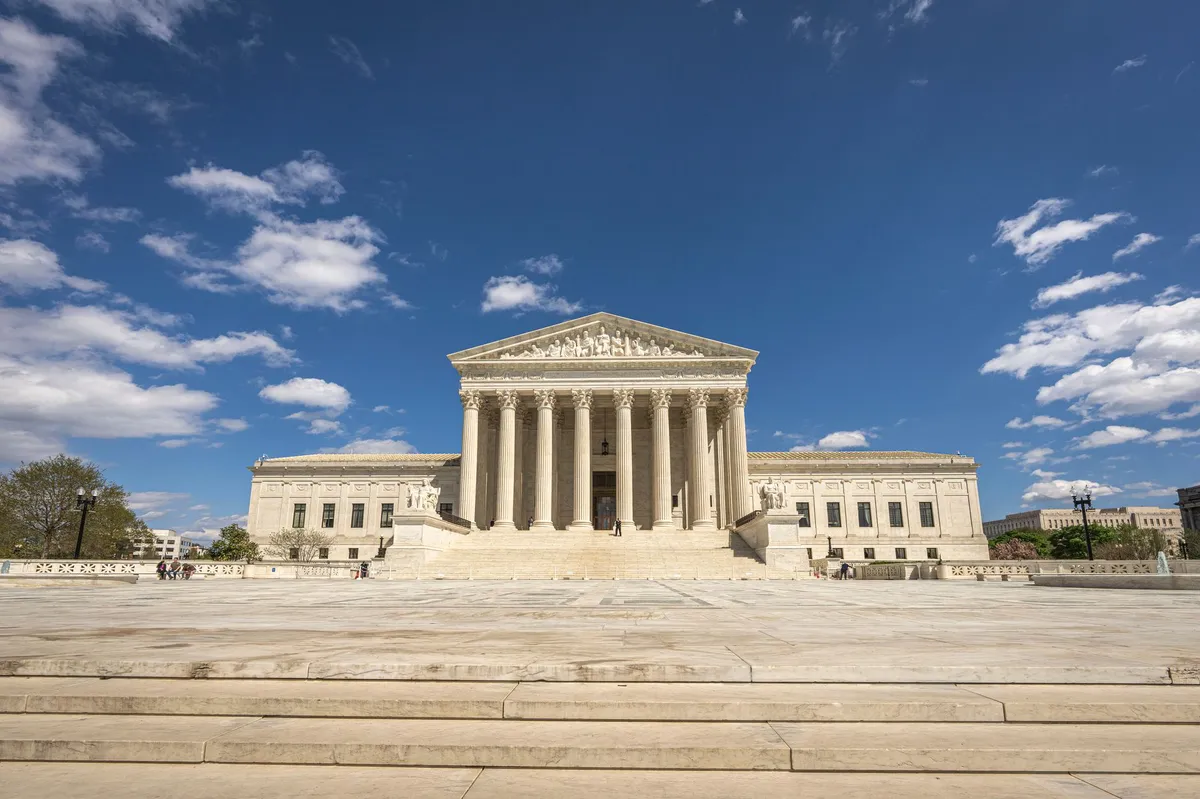
The ongoing battle over mail-in voting in the United States has reached a critical juncture as the Supreme Court considers President Donald Trump’s controversial executive order aimed at reforming the electoral process. This order, which seeks to impose new regulations on mail-in voting ahead of the November midterm elections, has raised significant concerns among Democratic states about voter disenfranchisement and the broader implications for election integrity.
On Monday, officials from 23 Democratic-led states and the District of Columbia filed a brief urging the justices to keep Trump’s order on hold, citing the potential chaos and errors that could arise from its rapid implementation. The stakes are high, and the ramifications of the Court's decision could reverberate through the electoral framework of the nation, impacting millions of voters.
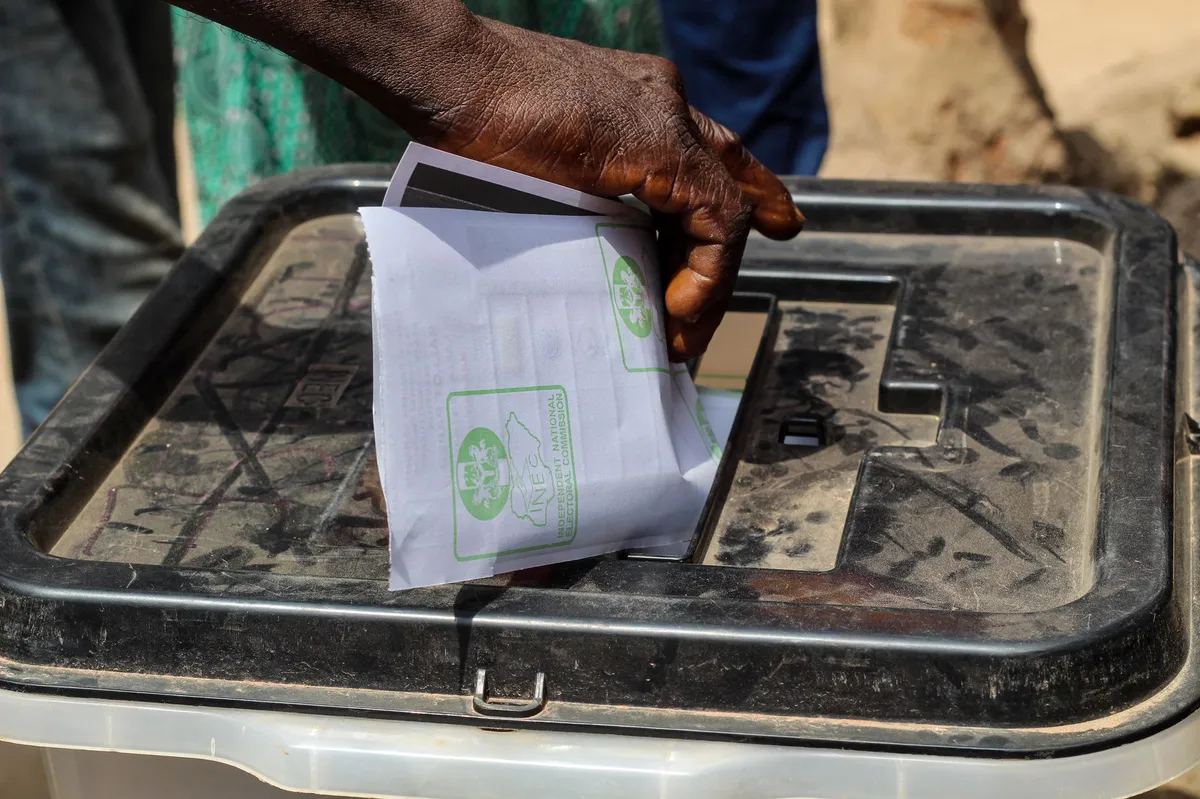
The Executive Order in Question
Trump’s executive order, titled “Ensuring Citizenship Verification and Integrity in Federal Elections,” mandates the federal government to create comprehensive lists of eligible voters in each state. Additionally, it instructs the U.S. Postal Service (USPS) to deliver mail ballots only to verified voters, utilizing secure envelopes with unique tracking barcodes. The order also threatens to withhold federal funding from states and localities that do not comply.
Key Components of the Executive Order
- Creation of federal voter eligibility lists
- Delivery of mail ballots exclusively to verified voters
- Use of secure envelopes with tracking barcodes
- Potential withholding of federal funds for non-compliance
Democratic states argue that the timeline for implementing these changes is unrealistic. The requirements would necessitate the USPS to develop a portal for states to upload voter rolls and verify voter eligibility through scanning ballot barcodes. The logistical challenges of such a rollout, especially with the midterm elections just around the corner, have been labeled as “disastrous” by state officials.

Concerns Over Voter Disenfranchisement
One of the most pressing concerns raised by the Democratic states is the risk of disenfranchising voters. The brief highlights the inherent errors that could stem from the new voter lists, which are affected by constant changes in residency and other factors. As voter rolls evolve, maintaining an accurate and up-to-date list becomes increasingly complex.
The states emphasize that flaws in federal citizenship records and unreliable address data could lead to significant inaccuracies, ultimately resulting in eligible voters being denied their ballots. This situation could escalate if officials are unable to address these issues promptly, leading to voters being uninformed about their voting status until it’s too late.
Potential Consequences of Implementation
- Inaccurate voter lists leading to disenfranchisement
- Insufficient time to rectify issues before elections
- Increased public distrust in the electoral process
“Voters would likely be disenfranchised as officials inevitably make mistakes in rushing to formulate new voter lists and roll out untested technologies,” the states noted in their brief. This argument underscores a significant fear among Democrats: the integrity of the electoral process may be compromised if the order is allowed to take effect.

Legal Authority and Federal Overreach
Another critical aspect of the states’ argument is centered around the question of authority. They contend that Trump lacks the power to impose such sweeping changes on the USPS and the electoral process as a whole. The states assert that executive authority does not permit the president to direct executive officials to create rules that could undermine constitutional rights.
“The duty to ‘take care that the laws be faithfully executed’ allows the president to administer laws duly enacted by Congress, not to usurp powers exclusively entrusted to states and Congress,” the brief outlines. This assertion raises fundamental questions about the limits of executive power and the role of states in managing their own electoral processes.
Risks of Partisan Manipulation
Beyond the operational challenges, the potential for partisan manipulation of the USPS is a significant concern. Democratic officials warn that if federal authorities begin to intercept ballots, it could undermine public confidence in the electoral process. The mere appearance of abuse could have devastating consequences for voter trust and engagement.
“There would also be a temptation on the part of the federal government to abuse this new authority for partisan ends,” the states wrote, underlining the delicate balance between federal oversight and state rights in the electoral process.
Judicial Responses and Ongoing Appeals
The legal landscape surrounding Trump’s executive order is evolving. A Massachusetts court recently blocked key components of the order, granting a temporary reprieve for the upcoming elections, while allowing the administration to continue preparing the program as litigation proceeds. The court's ruling reflects the judiciary's role in scrutinizing executive actions that may infringe upon voter rights.
In response to the injunction, Trump filed an emergency appeal with the Supreme Court, urging the justices to lift the hold on the order. A dozen Republican-led states have joined the fight, arguing for the enforcement of the order to secure mail-in voting processes. The Justice Department has also weighed in, claiming that the lower court’s decision overstepped its bounds by blocking the order before any agency action had occurred.
Implications for the Future of Voting Rights
The ongoing debate over mail-in voting is not just a legal issue; it’s a pivotal moment for voting rights in the United States. The outcome of the Supreme Court's decision could define the future of how elections are conducted, particularly in a landscape where trust in the electoral process is already fragile. With Trump's repeated assertions regarding election integrity and noncitizen voting, the implications of this case extend beyond the immediate electoral cycle and could shape voting laws for years to come.
Key Takeaways
- Supreme Court deliberations on Trump's mail-in voting order could impact millions of voters.
- Democratic states argue that the order risks disenfranchisement and logistical chaos.
- Concerns over executive overreach and potential partisan manipulation of USPS are significant.
- The judiciary is actively involved in scrutinizing the legality of the executive order.
Frequently Asked Questions
What is the main argument against Trump's executive order on mail-in voting?
The primary argument against Trump’s executive order is that it poses a significant risk of disenfranchising voters due to inaccuracies in voter rolls and the rushed implementation timeline. State officials contend that the logistical challenges in executing the order could lead to eligible voters not receiving their ballots in time, thus undermining the electoral process.
How does this case relate to the broader issue of voting rights in the U.S.?
This case is emblematic of the ongoing struggle over voting rights in the U.S., particularly as it pertains to mail-in voting. The outcome could set a precedent for how elections are conducted, influencing future legislation and voter access, especially in a time when public trust in the electoral process is already precarious.
What are the potential consequences if the Supreme Court upholds the executive order?
If the Supreme Court upholds the executive order, it could lead to significant changes in how mail-in voting is managed across the country. This might include stricter verification processes, potential delays in ballot delivery, and increased administrative burdens on state election officials, all of which could contribute to voter confusion and disenfranchisement.
What steps can voters take to ensure their ballots are counted?
Voters should ensure they are registered to vote and verify their registration status ahead of the midterm elections. They can also check the mail-in voting procedures for their state, including deadlines for ballot requests and submissions. Engaging with local election officials and staying informed about any changes will be crucial for ensuring that their ballots are counted.
This article is for informational purposes only and does not constitute legal advice.
Comments
Illinois Expands Recognition of Gambling Addiction as Substance Use Disorder
Illinois has made significant strides in combating gambling addiction by officially recognizing it as a substance use disorder. This change aims to expand treatment access and reduce stigma surrounding gambling issues.

Related articles




Popular in Personal Injury
- Hawaii Supreme Court Overturns 36-Year-Old Rape Conviction Due to Forensic Flaws
- The Impact of Pro Bono Work by BigLaw Firms in 2025
- Albertsons Faces Trial Over Role in Washington's Opioid Crisis
- The Hidden Dangers of Open Manholes in New York City
- Historic $81 Million Verdict in Utah Pedestrian Wrongful Death Case