Diner Fights to Revive Class Action Over Seafood Fraud in Mississippi
A diner is appealing to the Fifth Circuit to revive a class action lawsuit against Mary Mahoney's Old French House for selling mislabeled fish. The case raises critical questions about consumer rights and fraud in the restaurant industry.
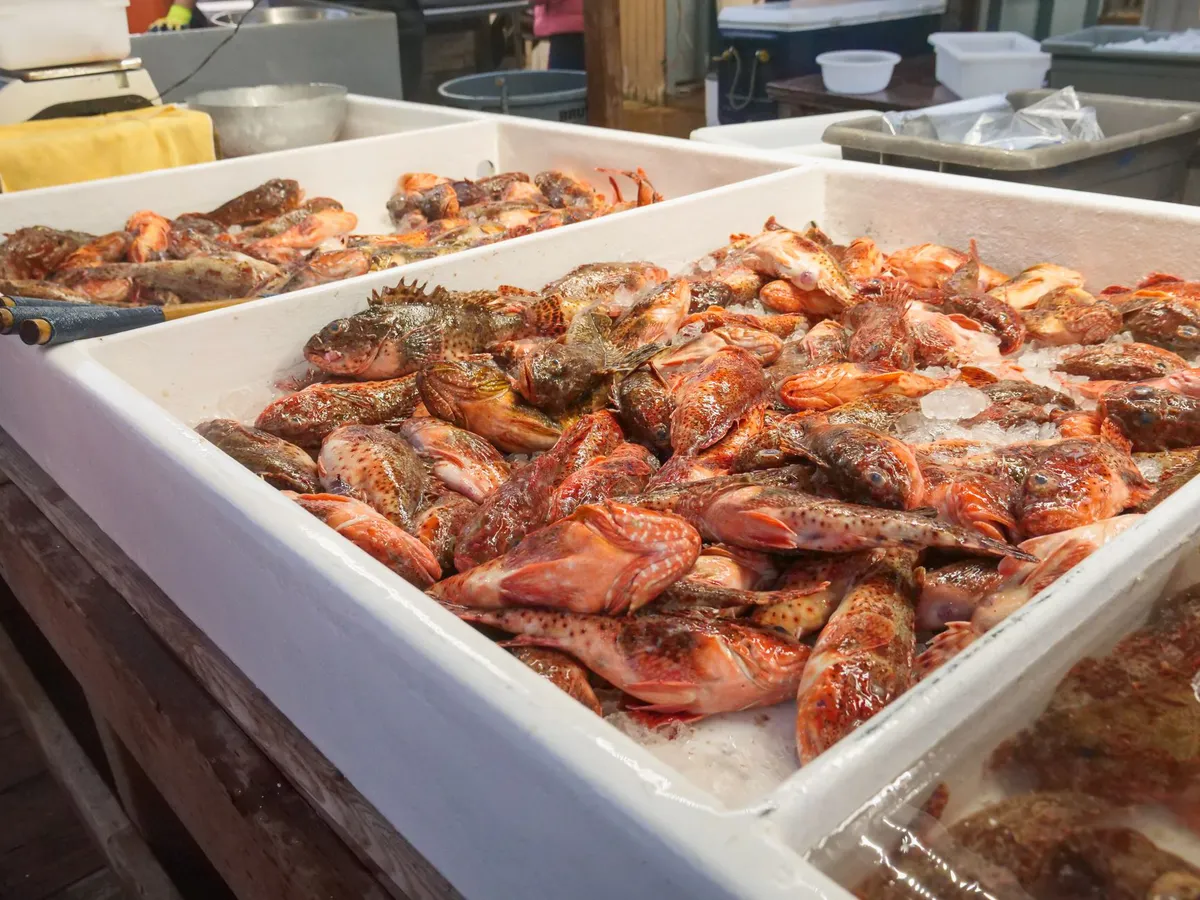
The seafood industry is often regarded as a bastion of freshness and locality, promising diners a taste of the ocean’s bounty. Yet, a recent legal battle has exposed a darker side of this industry, as one diner seeks to revive a class action lawsuit against a renowned Mississippi restaurant accused of fish fraud. Todd McCain claims that during his visits to Mary Mahoney’s Old French House in Biloxi, he was unwittingly served frozen imported fish masquerading as locally caught snapper and red snapper. This case not only sheds light on the allegations against the restaurant but also raises broader questions about consumer rights, fraud, and the mechanisms of accountability in the U.S. food service industry.
In a legal twist, McCain's efforts to hold the restaurant and its seafood supplier accountable have faced significant hurdles. Last year, a Mississippi federal judge dismissed his lawsuit, asserting that McCain failed to demonstrate a sufficient likelihood that he specifically consumed the fraudulent fish. Now, as he appeals this decision to the Fifth Circuit, the implications of this case extend beyond McCain himself, potentially affecting numerous other customers who may have been misled.

The Allegations: A Chain of Fraud
McCain's allegations against Mary Mahoney's Old French House and Quality Poultry & Seafood paint a troubling picture of deception. According to court documents, the restaurant and its seafood supplier pleaded guilty to charges of wire fraud and conspiracy to mislabel seafood in 2024. During court proceedings, it was revealed that there was an "unbroken chain" of fraud, indicating that a significant portion of the fish served was not what it was advertised to be. This revelation raises serious concerns about food labeling and consumer trust.
McCain’s attorney, Tad Bartlett, argued before the Fifth Circuit that the evidence suggests that nearly all of the snapper and red snapper served during the relevant timeframe was fraudulent. This assertion, if proven true, could substantiate the claims of many diners who feel they were deceived. However, the legal argument hinges on McCain’s ability to establish a direct link between his dining experience and the fraudulent practices.

The Legal Landscape: Standing and Fraud Claims
The crux of McCain's legal challenge lies in the concept of standing—whether he has the right to sue based on his alleged injuries. In the original dismissal, Senior U.S. District Judge Louis Guirola ruled that McCain did not demonstrate a cognizable injury. He noted that McCain had dined at the restaurant multiple times, paid for his meals, and expressed no dissatisfaction at the time. The judge asserted that McCain's retrospective regret did not constitute a valid legal injury.
This raises a significant question for consumers: What constitutes a legitimate injury in cases of fraud? Under U.S. law, a plaintiff must typically prove that they suffered actual harm as a direct result of the defendant's actions. In McCain's case, while he claims he would not have ordered the fish had he known it was mislabeled, his previous satisfaction with the meals complicates his argument.
Consumer Rights and Class Action Lawsuits
The implications of this case extend beyond McCain and Mary Mahoney's restaurant to the broader context of consumer rights. Class action lawsuits serve as a powerful tool for consumers to collectively seek redress against companies that engage in deceptive practices. If McCain can successfully argue that a significant number of diners were similarly misled, this case could set a precedent for future actions against fraudulent practices in the food industry.
Moreover, the outcome of this case could influence how restaurants and seafood suppliers handle labeling and sourcing in the future. The pressure of potential class action lawsuits may motivate businesses to adopt more rigorous standards to ensure transparency and integrity in their operations.
- Consumer Advocacy: A ruling in favor of McCain could embolden more consumers to challenge deceptive practices.
- Restaurant Accountability: Increased scrutiny on seafood sourcing and labeling could enhance overall industry standards.
- Legal Precedent: The case could set a significant legal precedent regarding the definition of consumer injury in fraud cases.

Consequences for the Defendants
The legal troubles for Mary Mahoney’s and Quality Poultry & Seafood have already been substantial. Following their guilty pleas, they faced penalties including a $149,000 fine and $1.35 million in forfeiture. Additionally, the restaurant's co-owner, Anthony Charles Cvitanovich, received four months of home confinement and three years of probation, alongside a $10,000 fine.
Interestingly, prosecutors decided against pursuing restitution for victims of the fraud, citing the difficulties in identifying and notifying all affected diners. This decision left many potential claimants like McCain without recourse through criminal proceedings, further emphasizing the importance of civil suits in addressing consumer grievances.
Key Takeaways
- Consumer Trust: Fraudulent practices can severely undermine consumer confidence in the food industry.
- Legal Challenges: Establishing standing in fraud cases remains a complex issue in U.S. courts.
- Importance of Class Actions: Collective legal action is vital for holding companies accountable for deceptive practices.
- Future Implications: The outcome may influence how restaurants manage their seafood sourcing and labeling.
Frequently Asked Questions
What are the key elements required to establish standing in a fraud case?
To establish standing in a fraud case, a plaintiff must demonstrate that they suffered a concrete injury as a direct result of the defendant's actions. This typically involves proving that the plaintiff relied on a misrepresentation and that they incurred actual harm, whether financial or otherwise. In McCain's case, the challenge lies in demonstrating that he was specifically served fraudulent fish and that this caused him measurable damage.
How do class action lawsuits work in cases of consumer fraud?
Class action lawsuits allow a group of individuals with similar claims against a defendant to consolidate their cases into one lawsuit. This legal mechanism facilitates efficiency in the court system and allows consumers to pool their resources. In cases of consumer fraud, a class action can serve as a powerful tool to hold companies accountable for widespread deceptive practices, as it enables affected individuals to seek restitution collectively.
What are the potential outcomes of this case for the restaurant industry?
The outcome of McCain's appeal could have far-reaching implications for the restaurant industry, particularly regarding how seafood is sourced and labeled. If the court rules in favor of the plaintiff, it may prompt restaurants to implement stricter standards for verifying the authenticity of their seafood. Additionally, it could encourage more consumers to assert their rights in the face of deceptive practices, potentially leading to increased litigation in this area.
What should consumers do if they suspect fraud in their dining experiences?
If consumers suspect they have been victims of fraud in their dining experiences, they should first gather as much evidence as possible, including receipts and any promotional materials from the restaurant. They should consider reaching out to local consumer protection agencies or legal counsel to explore their options. Reporting the incident to appropriate regulatory bodies may also help raise awareness and prompt investigations into fraudulent practices.
This content is general information and not legal advice.
Comments
Illinois Expands Recognition of Gambling Addiction as Substance Use Disorder
Illinois has made significant strides in combating gambling addiction by officially recognizing it as a substance use disorder. This change aims to expand treatment access and reduce stigma surrounding gambling issues.

Related articles







Popular in Personal Injury
- Hawaii Supreme Court Overturns 36-Year-Old Rape Conviction Due to Forensic Flaws
- The Impact of Pro Bono Work by BigLaw Firms in 2025
- Albertsons Faces Trial Over Role in Washington's Opioid Crisis
- The Hidden Dangers of Open Manholes in New York City
- Historic $81 Million Verdict in Utah Pedestrian Wrongful Death Case