The Unexpected Political Battle Over Bicycles in America
The U.S. Department of Transportation's recent decisions targeting bicycle infrastructure reveal deeper societal and political divides. As biking becomes a symbol of environmental consciousness, it faces backlash from certain government factions.

For many, the joy of riding a bicycle is woven into the fabric of childhood memories. It’s not just a mode of transportation but a symbol of freedom, adventure, and a simpler time. In a world where car traffic often dominates, bicycles serve as an antidote to congestion and a means of reconnecting with one’s surroundings. However, recent developments in U.S. transportation policy have thrown this beloved activity into the political fray, raising questions about the future of biking in America.
As I ride my bike to work each day, the experience evokes a sense of vitality and connection to the environment that is hard to replicate in a car. This daily commute, adorned with the sights, sounds, and smells of the outdoors, reminds me of my formative years spent cycling to school. I remember the sheer joy of pedaling down the streets, feeling the wind against my face, and the thrill of newfound independence. Today, I don a helmet, a precaution urged by a college friend who owned a bicycle shop in Portland, as I navigate the roads of Pasadena where dedicated bike lanes allow me to ride safely.
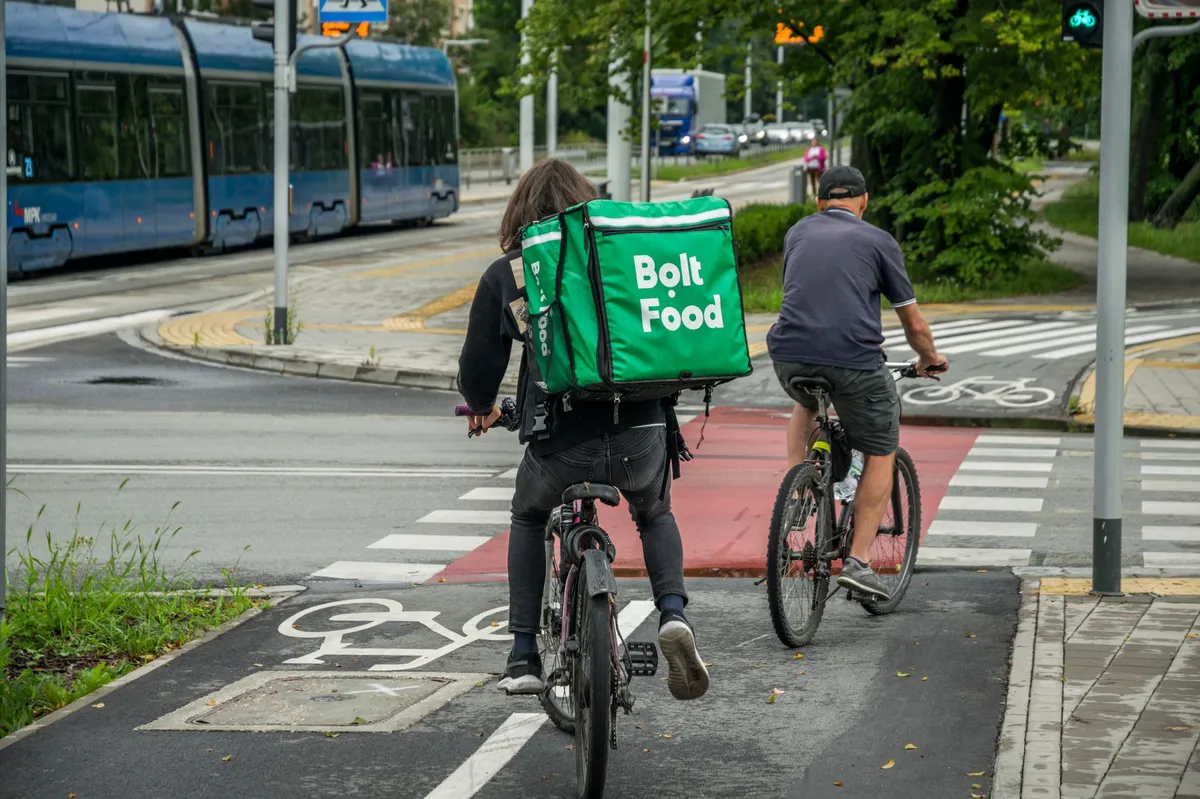
The Rise of Bicycle Culture: A Global Perspective
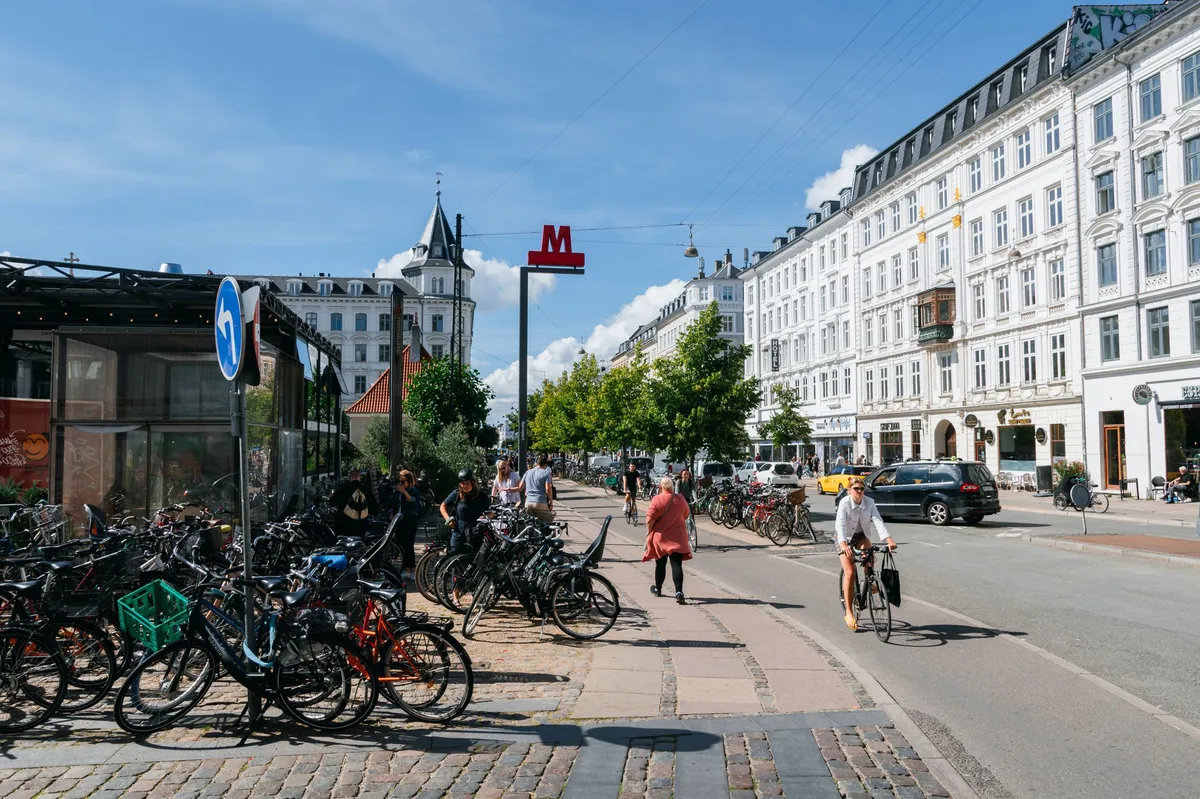
In many parts of the world, biking is embraced as a primary mode of transportation. Take Copenhagen, for example, where extensive bike lanes and a culture that prioritizes cycling have transformed the urban landscape. Here, bike lanes flow alongside major thoroughfares, allowing for a seamless commute. This efficient infrastructure not only promotes biking as a practical choice but also supports environmental sustainability.
Contrast this with the experience of a friend who recently relocated from Southern California to Copenhagen. He shared a story about riding an old-fashioned bicycle equipped with pedal brakes. When the chain slipped off while he was descending a hill, he relied on a fellow cyclist to help bring both bikes to a halt. This communal spirit among cyclists underscores the camaraderie found in biking culture, a stark contrast to the often isolating experience of driving alone in a car.
The Shift in U.S. Transportation Policy
Yet, as cycling gains traction in urban planning discussions, a surprising shift has emerged within the U.S. Department of Transportation (DOT). Recent announcements indicate an aggressive campaign against bicycle infrastructure, framing it as part of a broader political agenda. The transportation secretary's social media remarks denouncing “DEI bike lanes” and climate initiatives have raised eyebrows and ignited controversy. By stripping $1.7 billion in discretionary grants for bicycle and pedestrian projects, the DOT is signaling a sharp departure from previous administrations' efforts to promote biking as a viable and sustainable transportation option.
Critics have pointed out the implications of this policy shift. With grants for bicycle lanes eliminated and resources for safety tips removed from DOT websites, the message sent to cities and communities is clear: biking is not a priority. This not only endangers cyclists but also undermines public health and environmental goals.
The Environmental Impact of Biking
While the political rhetoric surrounding bicycles may seem trivial, the environmental impact of this decision is far from it. Biking is a low-emission mode of transportation that significantly reduces carbon footprints compared to cars. Studies have shown that increasing bike lanes can lead to a higher percentage of the population choosing cycling over driving, which can drastically decrease traffic congestion and air pollution in urban areas.
Moreover, investing in cycling infrastructure can lead to economic benefits. Cities that prioritize biking often see increased foot traffic, which benefits local businesses and enhances community engagement. When biking becomes an integrated part of transportation planning, it not only promotes a healthier lifestyle but also supports local economies.
The Public's Response
Public reaction to the DOT's stance on biking has been mixed. Many cycling enthusiasts and environmental advocates have taken to social media to voice their discontent, highlighting the absurdity of a government war on bicycles. The disconnection between the administration's policy and the growing demand for sustainable transportation options is evident.
As urban areas grapple with congestion and pollution, the need for policies that support biking as a fundamental aspect of transportation planning has never been more critical. Efforts to engage the public in discussions on sustainable transportation solutions could help bridge the gap between governmental policies and community needs.
What Lies Ahead for Cycling in America
The future of biking in America hangs in the balance. As political narratives evolve, the importance of grassroots advocacy cannot be overstated. Communities must come together to push for policies that support bicycle infrastructure, safety, and accessibility. Local governments can play a pivotal role in this movement by investing in bike lanes, promoting cycling programs, and ensuring that biking is regarded as a legitimate and safe transportation option.
Moreover, the growing awareness of climate change and environmental sustainability offers an opportunity for cyclists to rally for their cause. As more people recognize the benefits of biking, both for personal health and the planet, the demand for supportive policies will likely increase. The challenge lies in overcoming the political divisions that currently complicate the conversation around cycling.
Key Takeaways
- Bicycling is a symbol of freedom and environmental consciousness.
- Recent DOT policies have stripped funding for bike lanes, signaling a shift in priorities.
- Investing in cycling infrastructure has economic and environmental benefits.
- Public advocacy is essential for promoting cycling as a legitimate mode of transportation.
- The future of biking in America depends on grassroots movements and community engagement.
Frequently Asked Questions
What changes have been made to bicycle funding by the DOT?
The U.S. Department of Transportation has eliminated all funding for bicycle and pedestrian lanes from its discretionary grants, which amounts to $1.7 billion. This decision reflects a broader policy shift that deprioritizes cycling as a mode of transportation, raising concerns among advocates for cycling infrastructure and safety.
Why is biking considered environmentally friendly?
Biking is regarded as an environmentally friendly mode of transportation because it produces no emissions compared to cars and significantly reduces traffic congestion. Encouraging more people to cycle can lead to lower carbon footprints and improved air quality in urban areas, making it a vital part of sustainable transportation solutions.
How can communities advocate for better bike infrastructure?
Communities can advocate for better bike infrastructure by organizing grassroots campaigns, engaging with local government officials, and participating in public forums. Building coalitions with environmental organizations and local businesses can amplify the message and demonstrate the demand for cycling-friendly policies.
What are the health benefits of biking?
Biking offers numerous health benefits, including improved cardiovascular fitness, muscle strength, and mental well-being. Regular cycling can also help maintain a healthy weight and reduce the risk of chronic diseases, making it an excellent choice for personal health and community wellness.
Disclaimer: The content is general information, not legal advice.
Comments
Illinois Expands Recognition of Gambling Addiction as Substance Use Disorder
Illinois has made significant strides in combating gambling addiction by officially recognizing it as a substance use disorder. This change aims to expand treatment access and reduce stigma surrounding gambling issues.

Related articles





Popular in Personal Injury
- Hawaii Supreme Court Overturns 36-Year-Old Rape Conviction Due to Forensic Flaws
- The Impact of Pro Bono Work by BigLaw Firms in 2025
- Albertsons Faces Trial Over Role in Washington's Opioid Crisis
- The Hidden Dangers of Open Manholes in New York City
- Historic $81 Million Verdict in Utah Pedestrian Wrongful Death Case