Supreme Court Upholds $655 Million Judgment Against PLO for Terror Victims
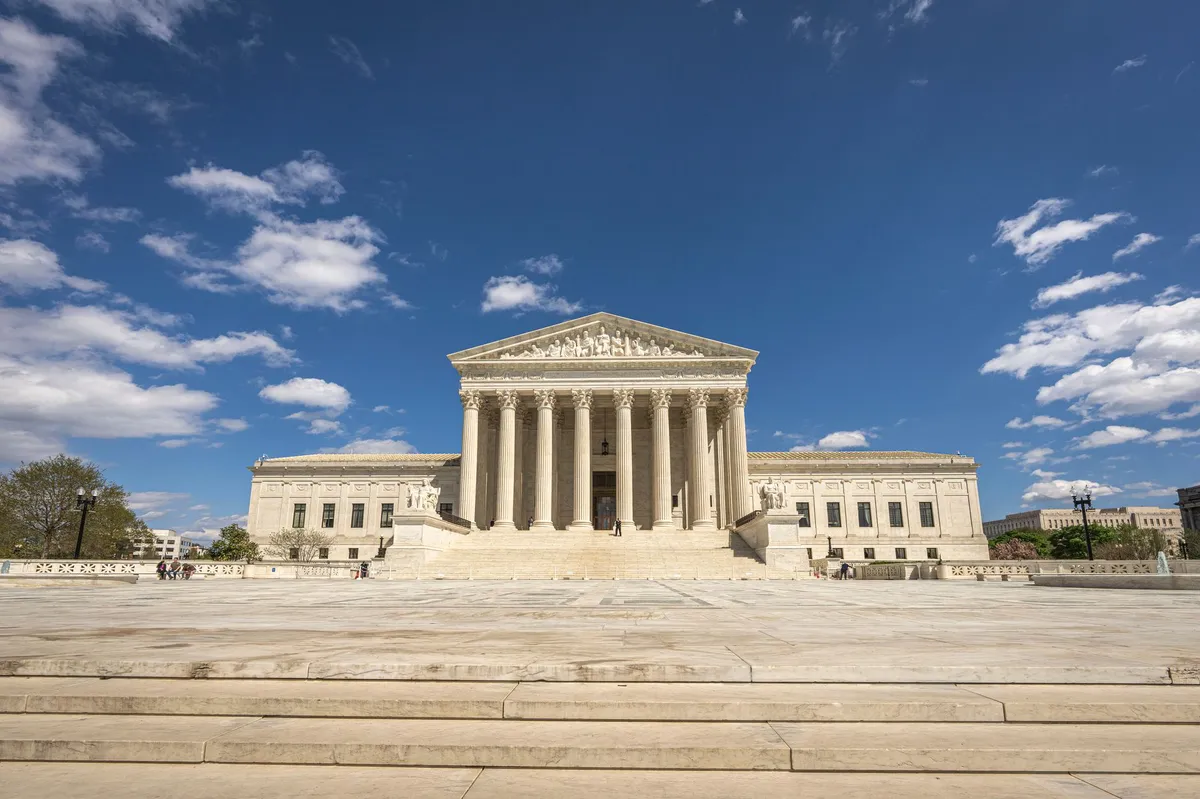
The Supreme Court, led by Justice Sonia Sotomayor, has rejected a request from the Palestinian Liberation Organization to pause a significant $655 million judgment owed to U.S. families of terror attack victims. This ruling has substantial implications for both the PLO's financial stability and the broader geopolitical landscape in the region.
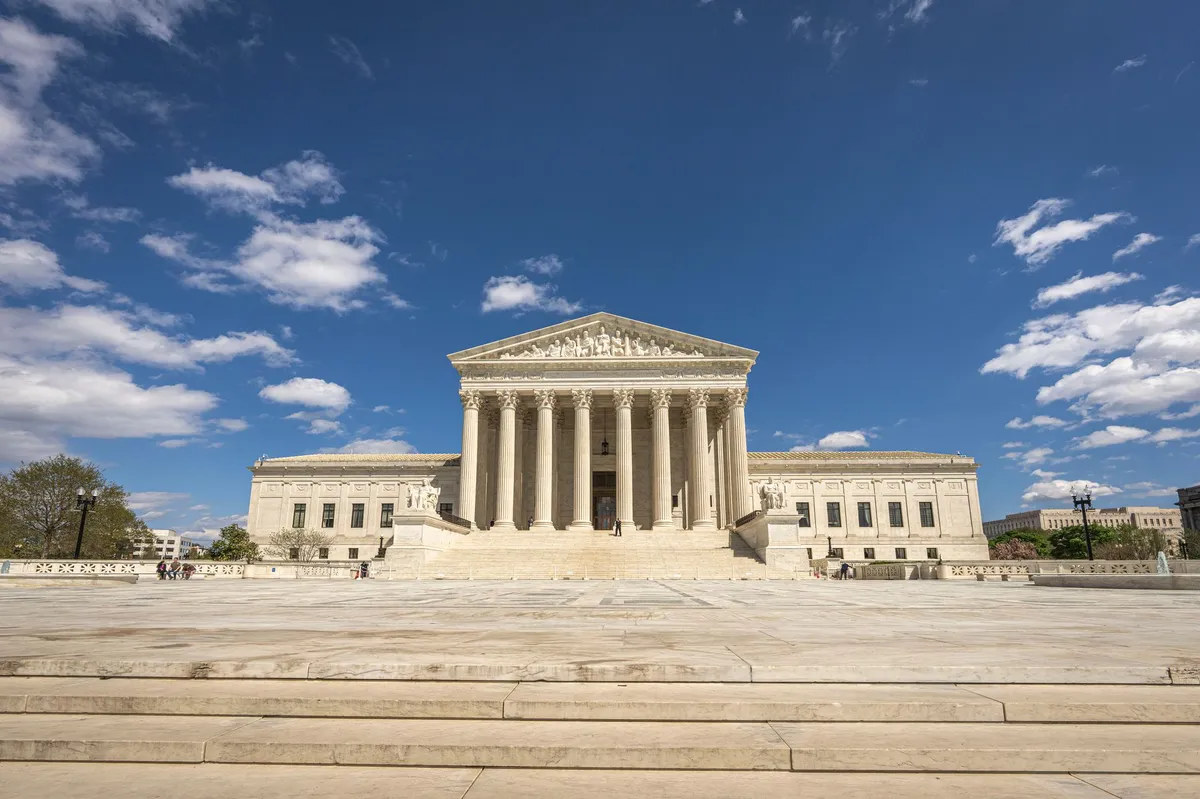
The recent ruling by the Supreme Court, which denies the Palestine Liberation Organization's (PLO) request to pause a staggering $655.5 million judgment awarded to U.S. families of terror attack victims, has sent shockwaves through international legal circles and geopolitical discussions alike. Justice Sonia Sotomayor's decision underscores the complexities surrounding terror-related lawsuits and the broader implications they hold for U.S.-Middle East relations.
The backdrop of this judgment lies in tragic events that unfolded between 2001 and 2004, when a series of terror attacks in Israel claimed the lives of several U.S. nationals. The families of these victims took their grievances to court, and after a lengthy legal battle, a jury initially awarded $218.5 million in damages under the U.S. Anti-Terrorism Act. This amount was subsequently tripled to $655.5 million, a sum that reflects not only the damages incurred but also the punitive aspect of the law meant to deter future terrorism.
Legal Context of the Judgment
Originally, this judgment faced significant hurdles when an appeals court overturned it, citing a lack of standing. However, Congress intervened by passing the Anti-Terrorism Clarification Act, which set forth conditions under which the PLO could be sued in U.S. courts. This legislative action was crucial, as it reinstated the possibility for victims to seek justice through U.S. legal channels.
In a landmark ruling last year, the Supreme Court upheld this law unanimously, allowing the PLO to be subject to personal injury suits in U.S. courts. The reinstatement of the judgment followed, yet the PLO remains adamant that the decision violates constitutional principles, arguing that the initial judgment had become a legal nullity after their appeals were exhausted in 2018.
Implications for the Palestinian Authority
The stakes are particularly high for the Palestinian Authority (PA), which is grappling with a multifaceted financial crisis. The PLO has warned that enforcing the judgment could lead to the PA's collapse, leaving the territory devoid of government services during a tumultuous period. The consequences of such an event could be dire, especially as the region is already grappling with heightened tensions following the recent conflict ignited by Hamas.
According to the PLO, the $655.5 million judgment represents approximately one-third of the annual wages, salaries, and pensions for public employees in Palestinian territories. Without this critical funding, essential services such as healthcare, education, and public safety are at risk of being severely undermined. The PLO reports that clinics and hospitals are already facing closures due to funding shortages, and public employees are working without pay, exacerbating a situation that could lead to widespread unrest.
The Broader Geopolitical Landscape
The timing of this legal battle coincides with an already precarious humanitarian situation in the region. The ongoing conflict following Hamas’ attack on October 7, 2023, has resulted in a humanitarian crisis of staggering proportions, particularly in Gaza, where military operations have displaced over 1.7 million people. The PLO has indicated that further destabilization of the PA could lead to increased violence not only within the West Bank but also threaten the security of neighboring countries like Israel, Jordan, and Egypt—U.S. allies in a tumultuous region.
This situation also raises critical questions regarding the U.S.'s role in Middle Eastern diplomacy and conflict resolution. With the region's stability hanging in the balance, the implications of the court's decision could resonate far beyond the courtroom, influencing international relations and humanitarian efforts.

Concerns About Regional Stability
The PLO's argument against the enforcement of the judgment emphasizes the potential for widespread discontent and violence in the West Bank. They contend that the economic downturn resulting from the enforcement could fuel anger and frustration among the Palestinian populace, leading to a deterioration of security and stability in the area. Such unrest could have ripple effects, destabilizing not just Palestinian territories but also impacting Israel and its borders with Jordan and Egypt.
The PLO's warning is compounded by the current financial crisis faced by the Palestinian economy, which has amassed billions in debt. The enforcement of this judgment could push the PA to the brink, as public services that are already on the verge of collapse could fully disintegrate, leading to dire consequences for the populace. The PLO highlighted that the enforcement of this judgment would devastate essential services, including healthcare, education, and public safety, thereby exacerbating an already dire situation.

Calls for Legislative Action
In light of these developments, calls for legislative solutions are growing louder. Some experts advocate for measures that could create a more balanced approach to handling the complexities of terror-related lawsuits without jeopardizing regional stability. Potential solutions could involve legislative frameworks that set clear boundaries on the extent to which foreign entities can be held liable in U.S. courts, especially when such actions could lead to destabilization in volatile regions.
Moreover, discussions around the enforcement of judgments against foreign entities could benefit from a more nuanced understanding of how such actions align with broader U.S. foreign policy objectives. As the legal landscape evolves, it is imperative for lawmakers to consider the multifaceted implications of these judgments, not only for the parties involved but also for the international community.
Key Takeaways
- The Supreme Court's ruling rejects the PLO's request to pause the $655 million judgment.
- Congress has passed laws enabling U.S. families to sue the PLO for terror-related damages.
- The enforcement of the judgment poses significant risks to regional stability and PA governance.
- The PLO warns that the judgment's enforcement could lead to a humanitarian crisis.
- Potential legislative solutions are being discussed to address the complexities of such cases.
Frequently Asked Questions
What is the background of the $655 million judgment against the PLO?
The judgment stems from claims made by families of U.S. nationals who were victims of terror attacks in Israel between 2001 and 2004. Initially awarded $218.5 million, the damages were tripled under the U.S. Anti-Terrorism Act, leading to a total judgment of $655.5 million.
Why did the Supreme Court deny the PLO's request to pause the judgment?
Justice Sonia Sotomayor denied the PLO's request without comment, allowing the judgment to proceed. The ruling reflects a commitment to uphold the legal processes established under U.S. law, particularly in cases involving terrorism.
What are the implications of enforcing the judgment for the Palestinian Authority?
Enforcing the judgment could lead to the collapse of the Palestinian Authority, as it would significantly impact their ability to fund essential services. The PLO has warned that such enforcement could trigger widespread unrest and economic instability in the region.
What legislative actions have been taken regarding terror-related lawsuits?
In response to earlier court decisions, Congress passed the Anti-Terrorism Clarification Act, which outlines conditions under which the PLO can be sued in U.S. courts. This legislative action has been pivotal in enabling victims' families to seek justice through the U.S. legal system.
Comments
Illinois Expands Recognition of Gambling Addiction as Substance Use Disorder
Illinois has made significant strides in combating gambling addiction by officially recognizing it as a substance use disorder. This change aims to expand treatment access and reduce stigma surrounding gambling issues.

Related articles




Popular in Personal Injury
- Hawaii Supreme Court Overturns 36-Year-Old Rape Conviction Due to Forensic Flaws
- The Impact of Pro Bono Work by BigLaw Firms in 2025
- Albertsons Faces Trial Over Role in Washington's Opioid Crisis
- The Hidden Dangers of Open Manholes in New York City
- Historic $81 Million Verdict in Utah Pedestrian Wrongful Death Case