Legal Battle Erupts Over New Jersey's Largest Data Center Violating Federal Laws
A lawsuit alleges that DataOne, New Jersey's largest planned data center, is operating illegally without permits for gas-powered generators, raising environmental and health concerns for local residents.

In a significant legal showdown, New Jersey's largest planned data center, DataOne, is facing accusations for allegedly operating dozens of gas-powered generators without the necessary permits. Located in Vineland, roughly 40 miles from Philadelphia, this facility is not just a technological hub but a focal point of community concern, as it gears up to support Microsoft's ambitious artificial intelligence projects through a massive $17 billion deal with Nebius, a Netherlands-based AI infrastructure firm. This legal battle underscores not only the tension between technological advancement and environmental responsibility but also the broader implications for local residents impacted by noise pollution and potential health risks.
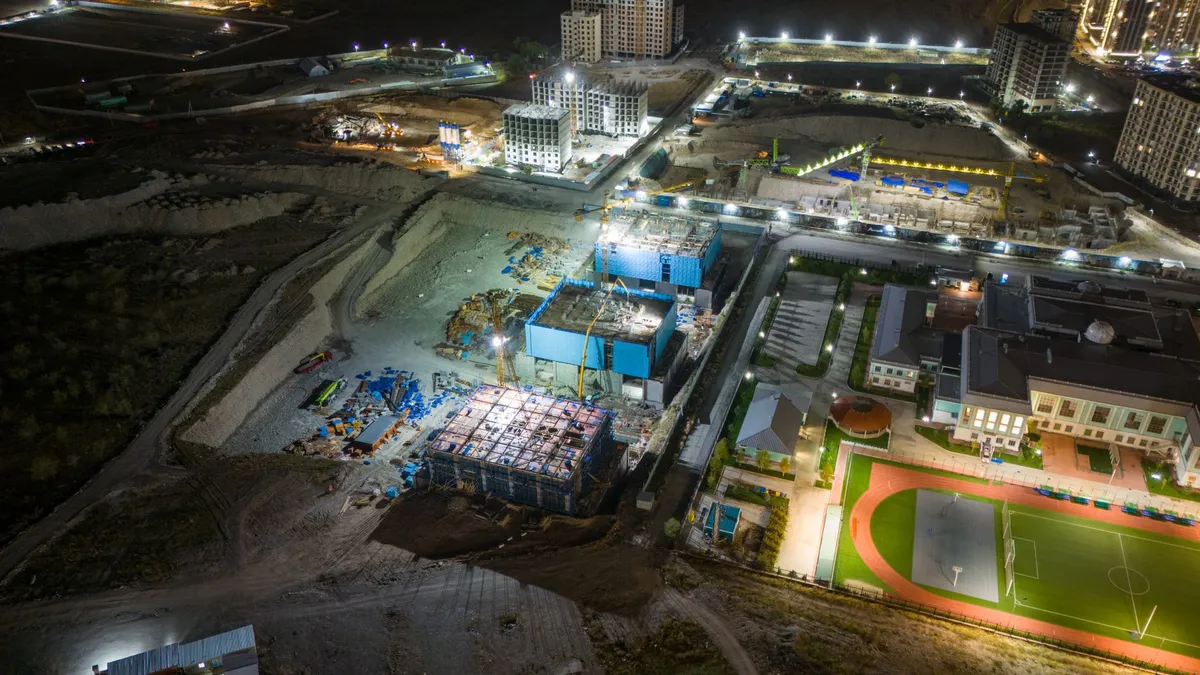
The situation escalated when thermal drone footage captured by the non-profit organization Floodlight revealed that at least 45 of the 62 gas-powered generators at the DataOne site were operational during their flyover. Despite the facility still being under construction, this revelation sparked outrage, particularly among the surrounding community, which has already expressed concerns regarding noise levels, zoning disputes, and alleged unpermitted construction activities since the project began in 2025.
Understanding the Legal Claims Against DataOne
The legal framework governing the operation of power generators in New Jersey is rooted in both state and federal laws aimed at protecting environmental quality and public health. According to Bruce Bukcheit, a former air enforcement official with the Environmental Protection Agency (EPA), the presence of the gas generators at DataOne constitutes a violation of these laws, particularly because they are functioning without the requisite permits. Bukcheit emphasized that the company is legally mandated to secure a final permit before deploying such equipment.
The New Jersey Department of Environmental Protection (NJDEP) corroborated these claims, stating that no permits have been issued for the generators, nor are any applications under review. During a site inspection on July 29, agency officials noted the operational generators but have yet to finalize a compliance determination. This situation raises a critical question: what regulatory actions will NJDEP take against DataOne, given the evident law violations?

Community Impact: Noise Pollution and Health Risks
For residents living in close proximity to the DataOne facility, the challenges extend beyond legal nuances. Local residents, like Andrew and Stevi Groetsch, express frustration over the incessant noise generated by the operational generators. Andrew remarked, "It's just constant; it never goes away," highlighting how the noise has become a persistent disturbance in their daily lives. Stevi added, "If you don’t follow one rule, what makes us have any reason to believe that you would then follow others? It’s so upsetting." This sentiment resonates across the community, where many feel neglected and anxious about the long-term implications of living near such an industrial site.
Moreover, the health implications associated with gas-powered generators cannot be overlooked. Emissions from these generators are tentatively linked to respiratory issues, cardiovascular disease, and premature death. With the facility situated just a mile away from two schools, the potential risks to children and families raise serious public health concerns. Residents are left wondering whether the promise of technological advancement is worth the potential cost to their health and quality of life.

Legal Recourse for Affected Residents
As the lawsuit develops, affected residents may explore various avenues for legal recourse. In situations where environmental laws are perceived to be violated, residents can file complaints with state regulatory bodies or pursue civil litigation against the offending parties. The potential for damage claims exists, particularly if residents can substantiate claims of harm caused by the noise or air pollution emanating from the DataOne facility. Such claims could cover loss of property value, medical expenses related to health issues, and compensation for emotional distress.
- Documenting Evidence: Residents should gather evidence of the noise and any health impacts, such as medical records or noise level readings.
- Engaging Legal Counsel: Consulting with an attorney specializing in environmental law can provide clarity on potential claims and litigation strategies.
- Community Organization: Forming a community coalition can amplify voices and enhance advocacy efforts against the data center.
- Public Outreach: Raising awareness through local media and public forums can help garner support and put pressure on regulators.
The Bigger Picture: Balancing Technology and Environmental Compliance
This case is not just about one data center; it represents a larger narrative about the rapid expansion of technology and its intersection with environmental sustainability. As companies invest in infrastructure to support advanced technologies like artificial intelligence, the balance between innovation and compliance with environmental laws becomes increasingly critical. The DataOne situation serves as a cautionary tale for other tech firms and communities alike, emphasizing the need for rigorous adherence to environmental standards during development projects.
Moreover, this legal battle could have broader implications for data centers across the country. As the demand for data storage and processing grows, so does the scrutiny on their environmental impact. The results of the DataOne lawsuit may set precedents that inform future regulations and enforcement actions in the tech industry.
Key Takeaways
- The DataOne facility in Vineland, NJ, is accused of operating without permits for gas-powered generators.
- Local residents express concerns about noise pollution and health risks associated with the data center.
- Legal action may provide a means for residents to seek compensation for any harm suffered.
- The situation highlights the need for compliance with environmental laws amidst technological advancement.
Frequently Asked Questions
What are the specific federal laws that DataOne is accused of violating?
The allegations primarily center around the Clean Air Act, which mandates that facilities that emit air pollutants must obtain permits before operation. This law is designed to protect air quality and public health, ensuring that emissions do not exceed acceptable levels. In this case, the lack of permits for the gas-powered generators at DataOne signifies a potential violation of these legal standards.
How can residents prove that they have been harmed by the data center?
Residents can establish harm through various means, including documenting noise levels, health problems, and loss of property value. Medical records that connect health issues to environmental factors can be particularly compelling. Additionally, testimonies from neighbors and experts can bolster claims, demonstrating the detrimental impact of the data center on the community.
What steps can local residents take to voice their concerns?
Residents should consider forming a coalition to collectively address their concerns. Engaging local media, attending public meetings, and submitting formal complaints to regulatory agencies can amplify their voices. Seeking legal counsel for guidance on potential litigation or regulatory action is also advisable to navigate the complexities of environmental law.
What is the potential outcome of the lawsuit against DataOne?
The outcome of the lawsuit could lead to several possible scenarios, including fines for operating without permits, an order to cease generator operations until compliance is achieved, or even changes in operational practices to mitigate environmental impacts. Depending on the court's decision, it could set a precedent for future cases involving data centers and their environmental responsibilities.
This content is general information and not legal advice.
Comments
Oregon Man Sues for $10 Million After Shooting During Break-in
An Oregon man is suing for $10 million after being shot while attempting to rob a Portland business. The case raises complex legal questions about self-defense and property rights.

Related articles



Popular in Personal Injury
- Hawaii Supreme Court Overturns 36-Year-Old Rape Conviction Due to Forensic Flaws
- The Impact of Pro Bono Work by BigLaw Firms in 2025
- Albertsons Faces Trial Over Role in Washington's Opioid Crisis
- The Hidden Dangers of Open Manholes in New York City
- Historic $81 Million Verdict in Utah Pedestrian Wrongful Death Case