Fame by Association: The Complexities of Copyright Infringement
This article delves into a recent copyright infringement lawsuit involving a Christian metal band and an animated movie, exploring the implications, motivations, and broader context of such legal battles.
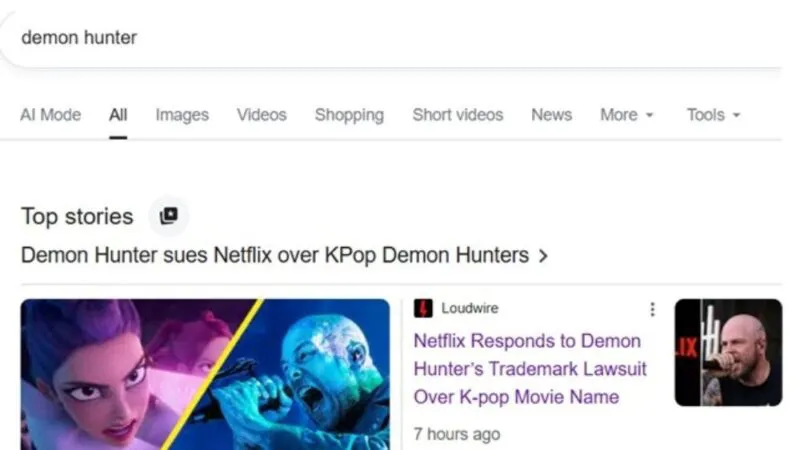
Copyright infringement is often viewed through a lens of conflict, particularly when it involves the titans of the entertainment industry wielding their legal might against smaller entities. But what happens when the tables turn, and a smaller player takes a stand against a large corporation? A recent case brings this dynamic into sharp focus, revealing the complexities and unexpected consequences of copyright disputes.
In a notable example, the Christian metal band known as “Demon Hunter” has initiated legal action against the producers of the animated film “KPop Demon Hunters.” On the surface, this may seem like a classic case of a larger entity infringing upon the rights of a smaller one. However, a closer examination reveals that the lines between victim and aggressor are far more blurred than they initially appear.
Understanding the Lawsuit
The lawsuit, filed in a federal court in Los Angeles, centers on the claim that the animated movie’s title and theme could confuse audiences regarding the band’s identity and genre. The band alleges that the film’s title closely resembles their own, potentially leading to a misrepresentation of their music, which is rooted in Christian themes, in contrast to the light-hearted, pop-infused narrative of the KPop film.
To illustrate the disparity in visibility, the band pointed out that while the movie has garnered over 325 million views, their YouTube presence boasts only around 263,000 subscribers. This raises a compelling question: who is truly benefiting from this confusion? As the lawsuit unfolds, it becomes evident that the public's awareness of the band may actually increase due to this legal battle, drawing new fans who may not have previously engaged with their music.

The Public Perception Dilemma
One of the key points of contention in this case is how the public perceives both entities. The lawsuit highlights the potential for increased fame through association, even if that association is contentious. For the band, the lawsuit could inadvertently serve as a marketing tool, as new audiences become aware of them through media coverage of the legal proceedings. Indeed, a quick Google search reveals a slew of articles linking the band to the animated film, further blurring the lines between the two.
The Role of Copyright Law
At the heart of this dispute lies the intricacies of copyright law. Copyright is designed to protect original works of authorship, ensuring that creators have exclusive rights to their creations. However, the interpretation of what constitutes infringement can vary widely. In this case, the band’s claim hinges on the notion that the film’s title can mislead consumers regarding the origin and nature of their work.
In copyright law, a few pivotal factors often guide the courts in determining the outcome of infringement cases:
- Similarity of Works: How closely related are the two works? Do they share substantial similarities?
- Market Impact: Does the alleged infringement negatively affect the market for the original work?
- Intent: Was there any intent to deceive or confuse the consumer?
- Transformative Use: Is the new work significantly different, adding new expression or meaning?
In the case of “Demon Hunter” vs. “KPop Demon Hunters,” the court will need to evaluate these factors carefully, particularly focusing on the potential market impact and whether the animated film’s title undermines the band’s brand.

The Unexpected Benefits of Legal Action
Interestingly, this legal skirmish may present unforeseen benefits beyond mere publicity. The case could serve as a platform for discussions about copyright reform and the protection of intellectual property in an era where content creation is pervasive and often overlapping. With the rise of social media, crossover and association have never been more fluid, raising questions about how copyright law should evolve to accommodate these realities.
Moreover, the band’s pursuit of this lawsuit might resonate with other smaller entities who feel overshadowed by larger corporations. It can serve as a reminder that even the smallest players can assert their rights and make their voices heard, even if the outcome remains uncertain. This spirit of resilience can inspire other artists and creators grappling with similar issues of visibility and recognition.
The Bigger Picture: Cultural and Economic Implications
The implications of this lawsuit extend beyond the realm of copyright law. It raises critical questions about the cultural significance of creative works and the economic stakes involved. As the lines between different genres blur, the potential for confusion among audiences grows, testing the boundaries of trademark and copyright law.
Moreover, the lawsuit underscores the importance of cultural representation in media. With the growing popularity of KPop and its global reach, the intersection of Western and Eastern artistic expressions creates a unique landscape. This case highlights the need for greater sensitivity and awareness in how creative works are titled and marketed.

Key Takeaways
- Copyright lawsuits can have unexpected outcomes: Legal battles might increase visibility for the smaller party.
- Understanding copyright law: Familiarity with key factors can help in assessing the strength of a claim.
- Cultural implications matter: Lawsuits can spark discussions about representation and market dynamics.
- Resilience is key: Smaller entities can assert their rights and challenge larger corporations.
Frequently Asked Questions
What is copyright infringement?
Copyright infringement occurs when a person or entity uses someone else's protected work without permission. This can include reproducing, distributing, or displaying the work. To prove infringement, the original creator must show that their work has been copied and that the copying has harmed their market or brand.
How does a copyright lawsuit work?
A copyright lawsuit typically begins when the aggrieved party files a complaint in court. The plaintiff must provide evidence to support their claim and demonstrate how the infringement has affected them. If the case goes to trial, both parties will present their arguments, and a judge or jury will determine the outcome. If successful, the plaintiff may be awarded damages or an injunction to stop further infringement.
Can a lawsuit actually help a smaller artist?
Yes, a lawsuit can help a smaller artist by bringing attention to their work and potentially increasing their visibility. Even if the lawsuit does not result in a financial victory, the publicity generated can attract new fans and opportunities. However, it’s essential for artists to weigh the potential risks and benefits of pursuing legal action.
What should an artist do if they believe their work has been infringed?
If an artist believes their work has been infringed, they should first document the infringement and gather evidence. Then, they may consider reaching out to the infringing party to resolve the issue amicably. If necessary, they can seek legal counsel to explore their options for pursuing a formal complaint or lawsuit.
Disclaimer: This content is general information, not legal advice.
Comments
Legal Battle Erupts Over New Jersey's Largest Data Center Violating Federal Laws
A lawsuit alleges that DataOne, New Jersey's largest planned data center, is operating illegally without permits for gas-powered generators, raising environmental and health concerns for local residents.

Related articles


Popular in Personal Injury
- Hawaii Supreme Court Overturns 36-Year-Old Rape Conviction Due to Forensic Flaws
- The Impact of Pro Bono Work by BigLaw Firms in 2025
- Albertsons Faces Trial Over Role in Washington's Opioid Crisis
- The Hidden Dangers of Open Manholes in New York City
- Historic $81 Million Verdict in Utah Pedestrian Wrongful Death Case