Oregon Man Sues for $10 Million After Shooting During Break-in
An Oregon man is suing for $10 million after being shot while attempting to rob a Portland business. The case raises complex legal questions about self-defense and property rights.

In a case that has stirred both outrage and intrigue, Kenneth Voyles, a 40-year-old man from Oregon, has filed a $10 million lawsuit against Touchstone Granite & Marble Inc. and its owner, James Grant, after being shot multiple times during an attempted robbery. The incident, which took place in March, has raised significant legal questions surrounding self-defense and the rights of property owners, particularly in the context of an unlawful entry by the plaintiff.
Voyles’ lawsuit claims that Grant's use of deadly force was excessive and unjustified, highlighting the complexities of how self-defense laws apply when the individual asserting their right to protect property is confronted with a trespasser. The situation has captivated legal experts and the public alike, as it challenges the boundaries of self-defense and property protection within Oregon's legal framework.

Incident Background: The Break-in
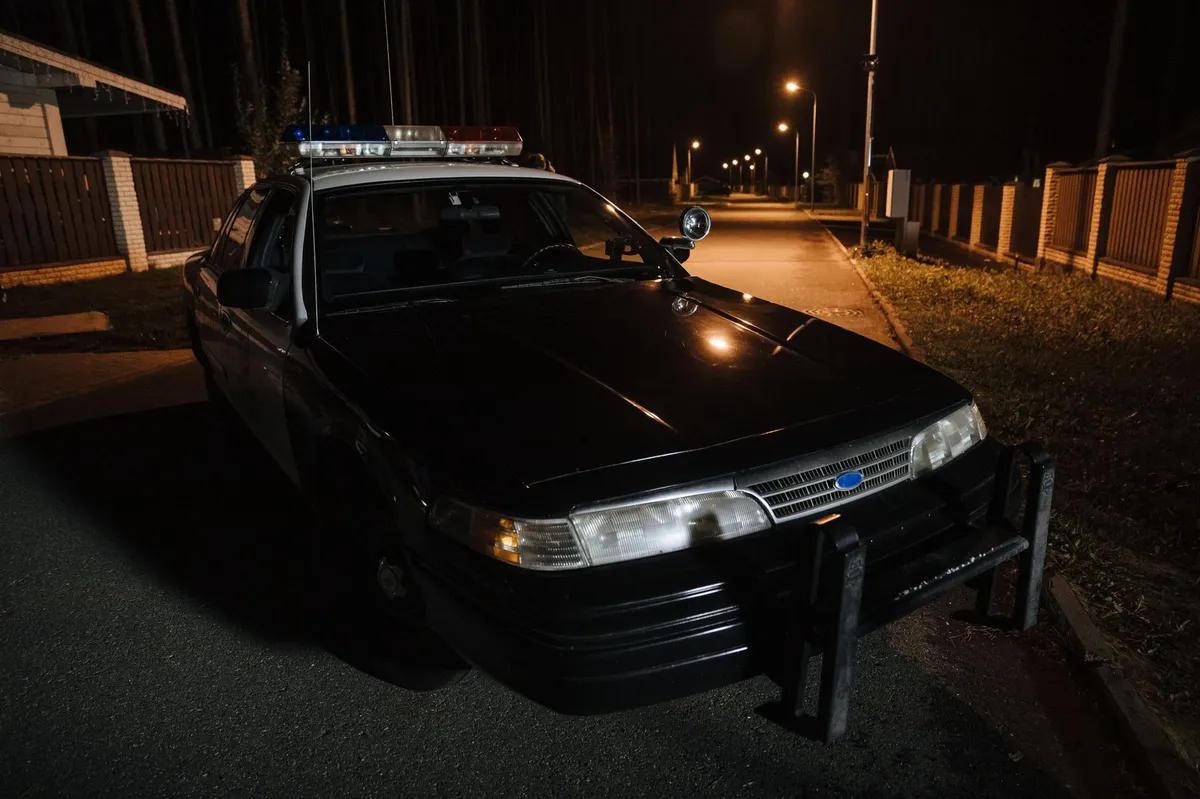
The incident occurred on March 6, when Voyles, who was experiencing homelessness, entered the Touchstone property through a damaged garage door. According to his lawsuit, Voyles intended to find shelter and claimed he was looking for a place to stay. While inside, he admitted to attempting to take a drill bag, which he intended to steal. This admission complicates his legal stance, as it raises questions about his intentions upon entering the business.
James Grant, the owner of Touchstone Granite & Marble, was working in another part of the building when he discovered Voyles. His account of the events diverges significantly from Voyles’, leading to a contentious legal battle. Grant asserts that upon confronting Voyles, he was met with aggression, particularly when Voyles picked up a pair of bolt cutters, which Grant interpreted as a potential threat to his safety.
The Legal Claims: Assault, Battery, and Negligence
Voyles has lodged several serious allegations against Grant and the business, including assault, battery, negligence, and intentional infliction of emotional distress. He seeks $5 million for his injuries and an additional $5 million in punitive damages, claiming that Grant's actions were not only unprovoked but also went beyond what was necessary to protect his property.
The crux of Voyles’ argument lies in the assertion that, regardless of his unlawful entry and intent to commit theft, Grant's response was disproportionate. He contends that being shot repeatedly was an excessive use of force, especially when he was attempting to flee. This assertion raises critical questions about the legality of using deadly force in situations where the perceived threat is not immediate or lethal.
Self-Defense Under Oregon Law
Oregon law permits property owners to use physical force in defense of themselves and their property, but the legality of such force hinges on the specifics of each case. The law stipulates that the use of deadly force is only justified when there is a reasonable belief that there is an imminent threat to life or serious bodily injury.
The contrasting narratives between Voyles and Grant will likely play a pivotal role in determining whether Grant's use of deadly force was legally justified. Key factors include:
- **The nature of Voyles' actions**: Did Voyles pose an immediate threat when he picked up the bolt cutters?
- **The perceived threat level**: Did Grant genuinely believe his life was in danger?
- **The proportionality of Grant’s response**: Was shooting Voyles a reasonable response to the threat he perceived?
Implications for Property Owners and Trespassers
This case underscores the precarious balance between the rights of property owners to protect their assets and the legal protections afforded to individuals who may find themselves in precarious situations, such as homelessness. While property owners are entitled to defend their premises, the extent to which they can use force, particularly lethal force, is a subject of ongoing legal and ethical debate.
Moreover, the case reflects broader societal issues, including the challenges faced by individuals experiencing homelessness and the criminal justice system's treatment of such individuals. It raises critical questions about the responsibility of property owners and the measures they can take to secure their premises without crossing legal and moral boundaries.

Public Reaction and Future Legal Considerations
The public's reaction to this case has been mixed, with some expressing sympathy for Voyles, given his circumstances, while others argue that his actions warranted a strong response from Grant. The case has sparked discussions on social media and in community forums about the lengths to which business owners should go to protect their property and the ethical implications of their actions when confronted with trespassers.
As the case proceeds through the Multnomah County court system, it will likely be closely monitored by legal experts and advocates alike. The outcome could set a significant precedent regarding self-defense laws in Oregon, particularly in scenarios involving trespassers and property protection. Legal analysts will be watching closely to see how the court interprets the nuances of the law in light of the facts presented in this case.
Key Takeaways
- **Legal Battle**: Kenneth Voyles is suing for $10 million after being shot while attempting a robbery.
- **Self-Defense Claims**: The case will examine whether James Grant's use of deadly force was justified under Oregon law.
- **Complex Issues**: It highlights the balance between property rights and the legal protections afforded to individuals in distressing situations.
- **Precedent Setting**: The outcome may influence future interpretations of self-defense laws in Oregon.
Frequently Asked Questions
What led to the shooting incident at Touchstone Granite & Marble?
The incident began when Kenneth Voyles unlawfully entered the Touchstone property, intending to steal a drill bag. James Grant, the business owner, confronted Voyles, leading to a confrontation that resulted in Grant shooting Voyles multiple times. Each party has presented conflicting accounts of the events that transpired during this encounter.
What are the legal implications of this case for property owners?
This case raises significant legal questions regarding the limits of self-defense in property protection. Property owners in Oregon can use physical force to defend their property, but the use of deadly force is only considered lawful under specific, immediate threats. The outcome of this case may clarify the legal boundaries for property owners in similar situations.
How might this case affect individuals experiencing homelessness?
The case shines a light on the challenges faced by individuals experiencing homelessness, particularly in how they interact with private property. It raises ethical questions about the treatment of such individuals and the responsibilities of property owners to secure their premises without resorting to violence.
What can the public expect as the case progresses?
As the case moves through the legal system, the public can expect increased scrutiny of both the legal arguments presented and the broader societal implications of the case. Observers will be keenly interested in how the court balances the rights of property owners against the protections available to individuals in vulnerable situations.
Disclaimer: The content is general information, not legal advice.
Comments
Legal Battle Erupts Over New Jersey's Largest Data Center Violating Federal Laws
A lawsuit alleges that DataOne, New Jersey's largest planned data center, is operating illegally without permits for gas-powered generators, raising environmental and health concerns for local residents.

Related articles


Popular in Personal Injury
- Hawaii Supreme Court Overturns 36-Year-Old Rape Conviction Due to Forensic Flaws
- The Impact of Pro Bono Work by BigLaw Firms in 2025
- Albertsons Faces Trial Over Role in Washington's Opioid Crisis
- The Hidden Dangers of Open Manholes in New York City
- Historic $81 Million Verdict in Utah Pedestrian Wrongful Death Case