Training Program Boosts Emotional Resilience in College Students
A new study reveals how a five-week training program significantly enhances emotional resilience among college students, providing valuable coping strategies that could aid their mental well-being.

In recent years, the mental health of college students has become an increasingly pressing concern, with studies indicating rising levels of anxiety, depression, and emotional distress among this demographic. A groundbreaking study from the University of Illinois Urbana-Champaign has unveiled a promising five-week training program designed to help students effectively manage their emotions. By integrating cognitive-emotional strategies, this program not only reduced emotional distress but also fostered significant changes in the participants' brain communication patterns.
As students transition to college life, they often face a myriad of challenges, including academic pressure, shifting relationships, and the overall stress of becoming independent adults. The findings from this research are not just timely; they underscore the importance of equipping young adults with the necessary tools to navigate their emotional landscapes during these formative years.

The Training Program: Structure and Methods
The study focused on two primary techniques for managing difficult emotions. The first method involved shifting attention away from the most distressing aspects of an image or thought and focusing on neutral details. For instance, when viewing a distressing picture, such as a traffic accident, students were encouraged to concentrate on the surrounding scenery—like trees, distant vehicles, or the sky—rather than fixating on the traumatic event itself.
Cognitive Reappraisal
The second technique, known as cognitive reappraisal, taught students to reframe their thoughts about challenging situations. By encouraging participants to view difficult circumstances from a more positive perspective, cognitive reappraisal aims to reduce emotional distress and foster resilience.
Over the five-week training period, students engaged in exercises twice a week, with the expectation that they would practice these skills in their daily lives. This hands-on approach not only reinforced the techniques learned but also promoted the idea of emotional resilience as an adaptive skill, rather than a mere avoidance of negative feelings.

Measuring Impact: Emotional and Neural Changes
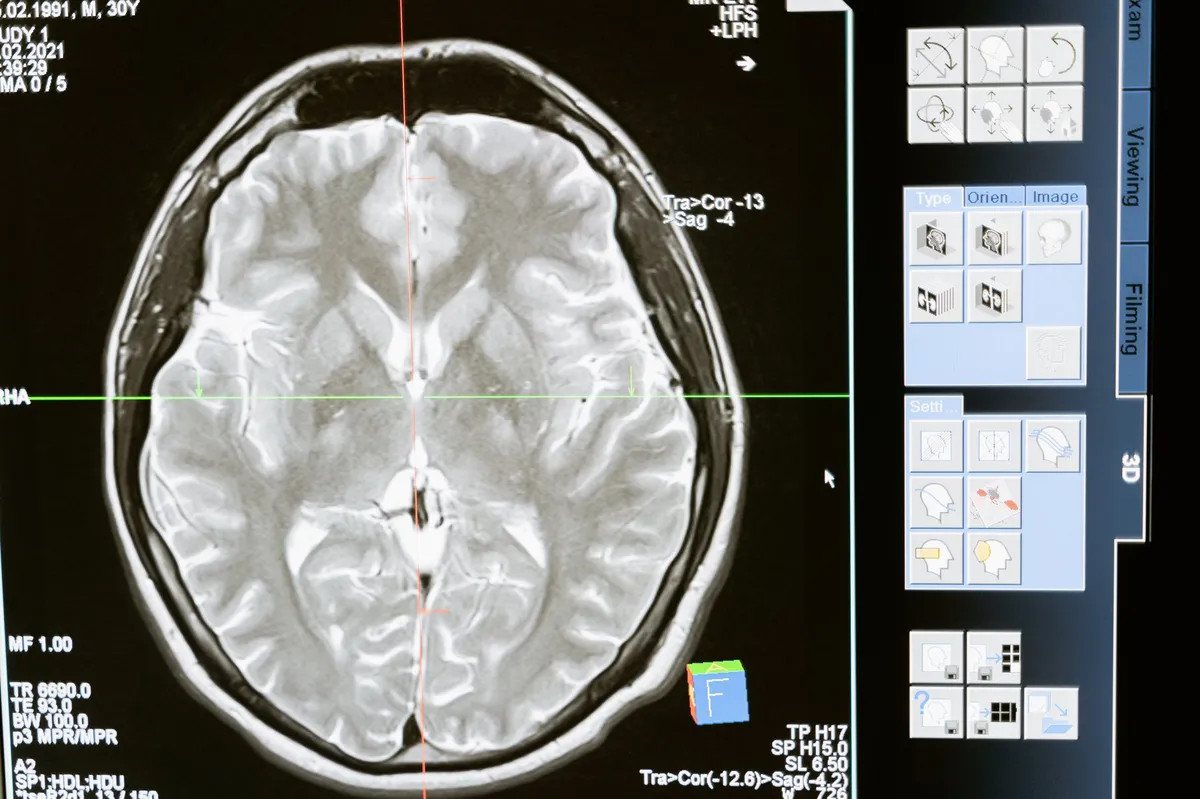
To assess the effectiveness of the training program, researchers collected data on various psychological metrics, including mood, anxiety levels, and potential post-traumatic stress symptoms. Additionally, brain scans were conducted to observe changes in communication between different brain regions before and after the training.
Key Findings
- Decreased Emotional Distress: Students reported feeling less upset after engaging with negative images or recalling distressing memories.
- Changes in Brain Function: The scans revealed greater activity in the prefrontal cortex, an area associated with attention management and emotional regulation, indicating improved emotional processing capabilities.
- Shifts in Attention Focus: Post-training, participants spent less time fixating on the most emotionally charged aspects of images, suggesting a learned ability to redirect focus effectively.
The data indicated that as the training progressed, students increasingly relied on the focused-attention technique, while the use of cognitive reappraisal waned. This suggests that participants may have developed a more instinctual ability to manage their emotional responses over time.
Implications for Mental Health and Future Research
The implications of this research extend far beyond the confines of the study itself. As mental health challenges continue to rise among college students, programs like this present an opportunity for improved emotional resilience and overall well-being. The findings suggest that emotional resilience is not merely about maintaining a positive outlook but involves a flexible approach to managing one’s thoughts and feelings.
Furthermore, the researchers are conducting a follow-up study that explores how students articulate their distressing memories and how these narratives correlate with the observed changes in brain activity. This ongoing research could provide deeper insights into the long-term effects of such training programs and their applicability to other groups, such as veterans and individuals facing different life challenges.
Building a Culture of Emotional Wellness
As educational institutions increasingly recognize the importance of mental health, integrating emotional resilience training into college curricula could prove invaluable. By fostering a culture that prioritizes emotional wellness, colleges can empower students to develop coping strategies that promote not just academic success but also personal growth and well-being.
In addition to formal training programs, colleges can create supportive environments by providing resources such as counseling services, peer support groups, and workshops focused on emotional intelligence. Collaboration with mental health professionals can also enhance these initiatives, ensuring that students have access to comprehensive care as they navigate their educational journeys.

Key Takeaways
- Five-week training programs can significantly reduce emotional distress in college students by teaching coping strategies.
- Participants showed measurable changes in brain activity, indicating improved emotional processing.
- Emotional resilience is an adaptive skill, allowing students to shift focus and reframe thoughts effectively.
- Ongoing research may lead to broader applications of these techniques across various populations.
Frequently Asked Questions
What does the training program involve?
The training program consists of two main techniques: focused attention, which encourages participants to divert their gaze from distressing elements to neutral details, and cognitive reappraisal, which helps them reframe negative situations in a more positive light. Over five weeks, students engage in exercises that promote these skills, with sessions held twice a week.
How effective was the program?
The program was shown to significantly reduce emotional distress among participants. Students reported feeling less upset when confronted with negative imagery or memories after completing the training. Furthermore, brain scans revealed changes in neural communication patterns, suggesting enhanced emotional regulation capabilities.
Can this training be applied to other groups?
While the study focused on college students, the principles of emotional resilience training could be beneficial for various populations, including veterans and those experiencing high levels of stress. Ongoing research is exploring these applications, with the hope of adapting programs to meet the needs of different groups.
What are the long-term effects of the training?
Further studies are necessary to determine the long-term effectiveness of the training program. Researchers are currently examining how students’ written expressions of distress correlate with brain changes observed during the training, which may provide insights into the durability of the skills learned and their impact on emotional health over time.
Disclaimer: The content is general information, not legal advice.
Comments
Legal Battle Erupts Over New Jersey's Largest Data Center Violating Federal Laws
A lawsuit alleges that DataOne, New Jersey's largest planned data center, is operating illegally without permits for gas-powered generators, raising environmental and health concerns for local residents.

Related articles



Popular in Personal Injury
- Hawaii Supreme Court Overturns 36-Year-Old Rape Conviction Due to Forensic Flaws
- The Impact of Pro Bono Work by BigLaw Firms in 2025
- Albertsons Faces Trial Over Role in Washington's Opioid Crisis
- The Hidden Dangers of Open Manholes in New York City
- Historic $81 Million Verdict in Utah Pedestrian Wrongful Death Case