Revolutionizing Personal Injury Law: The Moore Payne Attorneys Approach
Moore Payne Attorneys are challenging the traditional high-volume model in personal injury law by prioritizing client relationships and trial readiness. Their innovative approach is reshaping the landscape of legal representation, emphasizing quality over quantity.
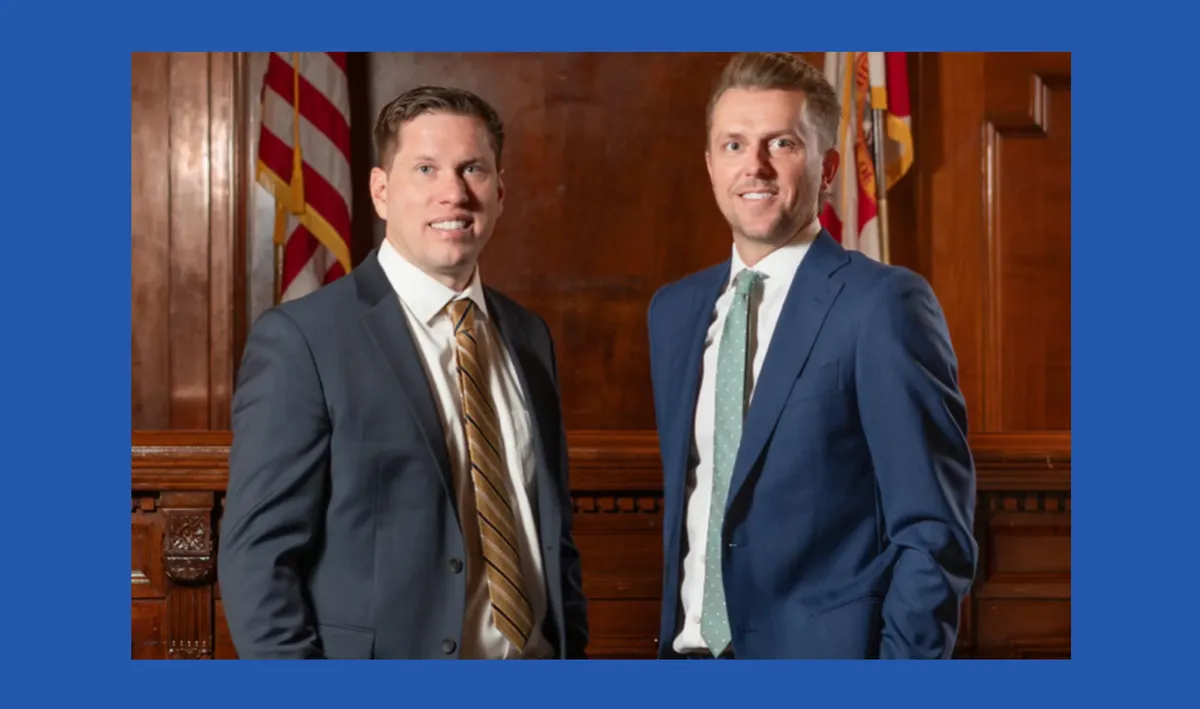
In a world where many personal injury law firms prioritize high volume over high-quality client relationships, Moore Payne Attorneys are making a significant shift toward a client-focused, trial-ready practice. Founded by Geoff Moore and Spencer Payne, this Florida-based law firm is redefining how attorneys engage with their clients and manage their cases. Their philosophy centers on the belief that every legal case is unique and deserving of meticulous attention, a stark contrast to the impersonal and often rushed dealings typical of high-volume firms.
Moore and Payne's journey began on a basketball court, where they bonded over shared frustrations about the legal industry’s tendency to treat clients as mere dollar signs and cases as interchangeable paperwork. They envisioned a practice that emphasizes community impact and personal connection, leading to the establishment of Moore Payne Law in February 2025. In a remarkably short time, the firm has already tripled its staff and increased its case filings tenfold, signaling a rising demand for their personalized approach to legal care.

The Core Philosophy: Client Interest Above All
At the heart of Moore Payne's operations is a fundamental rule: “client interest over everything.” Unlike many personal injury firms that operate as “settlement mills”—where attorneys are incentivized to settle cases quickly—Moore Payne maintains a low caseload to ensure each case receives the detailed attention it requires. This approach not only enhances the quality of legal representation but also fosters strong, lasting relationships with clients.
According to Geoff Moore, this strategy allows their attorneys to focus critically on case strategies rather than getting bogged down by paperwork. “We have built firm-wide litigation systems, including discovery playbooks and deposition frameworks, to streamline processes and maximize the time we dedicate to advocating for our clients,” he explains. This structured yet flexible approach enables them to pursue justice vigorously, not just for their clients, but also for broader systemic change, including lobbying for crucial legislative reforms in Florida.

Trial-Ready Philosophy: A Game Changer in Legal Representation
The concept of a “trial-ready philosophy” distinguishes Moore Payne from its high-volume counterparts. Many firms settle cases without adequate preparation, often leaving clients undercompensated. In contrast, Moore Payne prepares every case with the intent to take it to trial. This ensures that they are ready to present a compelling case, which often leads to more favorable settlements even before reaching the courtroom.
Spencer Payne emphasizes that thorough preparation communicates to opposing counsel and insurance companies that they are serious advocates for their clients. “Our meticulous case preparation sends a strong message that we will not accept less than what our clients deserve,” he says. This proactive strategy enhances their negotiation power and results in securing settlements that reflect the true value of the case—something that can be critically important in catastrophic injury cases.
Real-World Impact: Case Studies and Outcomes
One notable example highlighting the efficacy of Moore Payne's approach involved a nursing home negligence case. Initially, the firm received a settlement offer of $100,000. However, after comprehensive preparation and advocacy, they secured a final verdict of $1.5 million. Cases like this illustrate how a dedicated, trial-ready strategy can significantly enhance client outcomes, challenging the notion that quicker settlements are always in the best interest of the client.

Embracing Technology and Internal Reform
Moore Payne's commitment to improving the personal injury law landscape extends beyond client interaction. The firm recognizes the importance of leveraging technology and streamlining internal processes to enhance efficiency. By adopting time-saving systems and ethical AI strategies, they aim to reduce administrative burdens, allowing attorneys to focus on critical legal strategies rather than getting caught up in paperwork.
Spencer Payne believes that the high-volume model can be reformed to be both financially viable and client-centered. “The key is building a better internal infrastructure that embraces technology,” he says. This reformation could potentially reshape the personal injury landscape, allowing firms to maintain their financial health while prioritizing client interests.
A New Standard for Personal Injury Law
As Moore Payne Law continues to grow, their approach sets a new standard for personal injury law firms across the country. They attract attorneys who are eager to work in an environment that values lower caseloads and meaningful client relationships. For instance, trial attorney Brandon Smith transitioned from a high-volume firm to Moore Payne to better focus on representing clients faithfully.
Their model not only benefits attorneys but also ensures that clients, regardless of their case's complexity or potential payout, receive the representation they deserve. “Every case is high-stakes for the client,” Geoff Moore asserts. “These are real people facing real challenges, and they deserve a personalized approach to their legal needs.”

Key Takeaways
- Client-Centric Model: Moore Payne prioritizes individualized attention over high-volume case management.
- Trial-Ready Philosophy: Every case is prepared as if it will go to trial, enhancing negotiation leverage.
- Technology and Efficiency: The firm utilizes modern technology to streamline operations and improve client outcomes.
- Systemic Advocacy: They advocate for broader changes in the legal system alongside individual case representation.
Frequently Asked Questions
What differentiates Moore Payne Law from traditional personal injury firms?
Moore Payne Law distinguishes itself by adopting a client-focused approach that emphasizes quality over quantity. Unlike traditional firms that often treat cases as inventory to be cleared quickly, Moore Payne maintains low caseloads to ensure that every client receives personalized attention and comprehensive advocacy. This approach not only enhances the client experience but also often leads to more favorable outcomes in terms of settlements and verdicts.
Can lower-stakes cases benefit from the Moore Payne approach?
Yes, Moore Payne believes that every case, regardless of its perceived stakes, deserves a personalized approach. Their team has the capacity to handle cases of varying complexity while maintaining the same level of dedication and attention. This philosophy ensures that even lower-stakes clients receive the respect and advocacy they deserve, and the firm also collaborates with a network of referral attorneys to ensure that all clients are represented effectively.
How does the trial-ready philosophy impact client outcomes?
The trial-ready philosophy adopted by Moore Payne Law significantly impacts client outcomes by preparing every case as if it will go to trial. This thorough preparation enhances their negotiation power, often leading to more favorable settlements. Insurance companies and opposing counsel are more likely to take a firm seriously when they recognize that the attorneys are committed to pursuing justice at trial, which can result in higher settlement offers and better overall outcomes for clients.
What role does technology play in Moore Payne's operations?
Technology plays a critical role in Moore Payne's operations by streamlining internal processes and enhancing efficiency. By utilizing modern tools and ethical AI strategies, the firm aims to reduce administrative burdens on attorneys, allowing them to focus on case strategy and client advocacy. This embrace of technology not only improves operational efficiency but also enhances the overall client experience.
Disclaimer: The content is general information and not legal advice.
Comments
Understanding Estate Closure: What Executors and Heirs Must Know
Closing a probate estate marks a significant milestone, but it doesn't always signify the end of all estate-related issues for executors and heirs. This article explores what happens after probate closure, including the responsibilities of personal representatives and the potential for later claims and discovered assets.

Related articles





Popular in Personal Injury
- Hawaii Supreme Court Overturns 36-Year-Old Rape Conviction Due to Forensic Flaws
- The Impact of Pro Bono Work by BigLaw Firms in 2025
- Albertsons Faces Trial Over Role in Washington's Opioid Crisis
- The Hidden Dangers of Open Manholes in New York City
- Historic $81 Million Verdict in Utah Pedestrian Wrongful Death Case