Essential Steps for Navigating Premises Liability Claims
Understanding the intricacies of premises liability claims is crucial for anyone injured on someone else's property. This guide offers practical steps to protect your rights and strengthen your case.

Experiencing an injury on someone else’s property can be a confusing and overwhelming ordeal. Whether you slip on a wet floor, trip over a broken step, or find yourself in any other dangerous situation, knowing how to navigate the aftermath is essential not only for your recovery but also for your legal rights. Premises liability claims arise when individuals are injured due to unsafe conditions on a property, and understanding your rights and responsibilities can make all the difference in the outcome of your case.
Property owners have a legal obligation to maintain safe conditions for anyone who might enter their premises. This duty can include repairing hazardous areas, providing adequate warnings about known risks, and ensuring that the environment is generally safe. When they fail to uphold this responsibility, injured parties may have grounds to seek compensation for their injuries. However, successfully pursuing a claim requires careful action, thorough documentation, and an understanding of the claims process. In this comprehensive guide, we will explore key steps to take following an injury on someone else’s property, helping you protect your health and legal interests.

Understanding Premises Liability
At its core, premises liability refers to the legal responsibility of property owners to ensure their premises are safe for visitors. This responsibility can extend to various types of properties, including residential homes, commercial buildings, and public spaces. Common situations that give rise to premises liability claims include:
- Wet or slippery floors without appropriate warnings
- Broken or uneven stairs
- Poor lighting that obscures hazards
- Unsafe walkways or obstructed pathways
The crux of any premises liability claim lies in proving that the property owner was negligent. This means demonstrating that they either knew about the unsafe condition and failed to address it or should have known about it. Each case is unique, and the specific facts and evidence surrounding the incident will dictate the viability of a claim.
Important Steps to Take After an Injury
1. Document the Incident
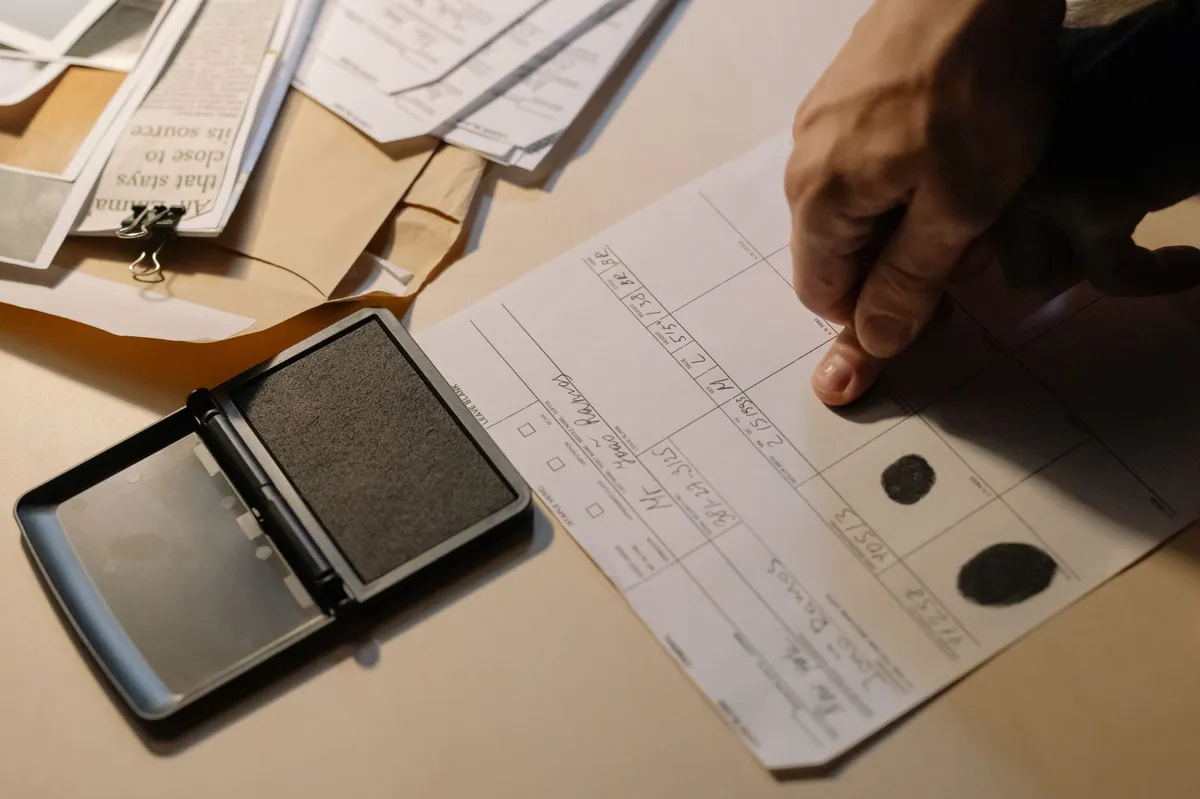
One of the most important actions you can take immediately after an accident is to document everything related to the incident. Start by taking clear photos of the accident scene from multiple angles. Capture any unsafe conditions that contributed to your injury, such as spills, obstructions, or poor lighting. Additionally, photograph your injuries, as this visual evidence can be crucial later in supporting your claims.
2. Gather Witness Information
Witnesses can play a pivotal role in establishing the facts of your case. If there were bystanders present during your accident, politely ask for their names and contact details before they leave the scene. Their testimonies can provide valuable support for your claim, especially if they observed the unsafe conditions firsthand.
3. Notify the Property Owner
Inform the property owner or manager about the accident as soon as possible. Request that they document the incident in writing, and be sure to obtain a copy of any report they compile. This establishes a formal record of your injury and can be beneficial if you decide to pursue a claim.

Protecting Your Health and Medical Records
1. Seek Medical Attention
Even if your injuries seem minor, it is crucial to seek medical attention promptly. Some injuries may not manifest symptoms immediately, and getting evaluated by a healthcare professional ensures you receive necessary treatment while creating important medical records for your claim. Follow your doctor's advice and attend all follow-up appointments, documenting your recovery process and any ongoing symptoms.
2. Maintain Accurate Records
Keep meticulous records of all medical bills, treatment notes, and correspondence related to your injury. Create a dedicated folder for all documents, including receipts for travel to appointments, prescriptions, and any other expenses incurred as a result of your injury. This organized approach not only aids in your recovery but also fortifies your case should you pursue compensation.
3. Document Your Daily Struggles
Consider maintaining a journal detailing your pain levels, daily struggles, and how your injury impacts your life. Record missed workdays, limitations on activities, and changes to your routine. This personal account can be instrumental in demonstrating the non-economic damages you have suffered, such as pain and suffering.

Understanding Your Legal Rights
1. Know When to Seek Legal Advice
Following an injury caused by a property owner's negligence, it's wise to consult a personal injury attorney. An experienced lawyer can clarify your rights, guide you through the legal process, and help you gather crucial evidence to support your claim. Early legal advice can be invaluable, especially if the property owner or their insurance company denies responsibility.
2. Handle Communications with Care
Be cautious in your communications with insurance companies, as they may use any statements you make against you later. Avoid discussing specifics of the accident or your injuries on social media, as these posts could be misconstrued or used to undermine your claim. Take your time before signing any documents related to your case; read everything carefully and seek clarification if needed.
3. Be Patient and Stay Organized
Remember that the claims process can take time, and each case is unique. While it may be tempting to rush decisions to expedite your claim, carefully considering every step can lead to a better outcome. Keep your records organized and accessible to streamline the process as your case progresses.
Common Mistakes to Avoid
Many claimants unknowingly make mistakes that can jeopardize their cases. Here are a few common pitfalls to steer clear of:
- Failing to document the incident thoroughly
- Delaying medical treatment
- Not keeping track of expenses
- Making premature statements to insurance adjusters
- Posting about the accident on social media
Being aware of these potential missteps can help you navigate the claims process with greater confidence and protect your rights effectively.
Key Takeaways
- Document everything: Take photos, gather witness information, and keep thorough records.
- Seek medical attention: Always prioritize your health and create medical documentation.
- Consult a lawyer: Legal guidance can clarify your rights and strengthen your case.
- Avoid common pitfalls: Be mindful of your communications and actions following the incident.
Frequently Asked Questions
What is premises liability?
Premises liability is a legal concept that holds property owners responsible for injuries sustained by visitors due to unsafe conditions on their property. This includes maintaining safety standards and addressing known hazards. If a property owner fails in this duty, injured individuals may have grounds to seek compensation.
How long do I have to file a premises liability claim?
The statute of limitations for filing a premises liability claim varies by state, typically ranging from one to six years. It is crucial to act promptly after an injury to preserve evidence and strengthen your case. Consulting with a personal injury attorney can help you understand the specific time limits in your jurisdiction.
What damages can I recover in a premises liability case?
In a premises liability case, you may be entitled to various types of damages, including medical expenses, lost wages, pain and suffering, and sometimes punitive damages if the property owner's actions were particularly egregious. The exact amount will depend on the specifics of your case and the impact of your injuries on your life.
Should I talk to an insurance adjuster after an accident?
While it’s often necessary to communicate with insurance adjusters, be cautious about what you say. Their goal is to minimize the payout, and your statements could be used against you. It’s usually advisable to consult with a personal injury attorney before discussing your case with insurance representatives to ensure your rights are protected.
Disclaimer: This article is for informational purposes only and does not constitute legal advice.
Comments
Revolutionizing Personal Injury Law: The Moore Payne Attorneys Approach
Moore Payne Attorneys are challenging the traditional high-volume model in personal injury law by prioritizing client relationships and trial readiness. Their innovative approach is reshaping the landscape of legal representation, emphasizing quality over quantity.

Related articles




Popular in Personal Injury
- Hawaii Supreme Court Overturns 36-Year-Old Rape Conviction Due to Forensic Flaws
- The Impact of Pro Bono Work by BigLaw Firms in 2025
- Albertsons Faces Trial Over Role in Washington's Opioid Crisis
- The Hidden Dangers of Open Manholes in New York City
- Historic $81 Million Verdict in Utah Pedestrian Wrongful Death Case