Federal Judge Protects Free Speech Rights of Noncitizens in Landmark Ruling
A federal judge's recent ruling underscores the importance of free speech for all individuals in the U.S., including noncitizens. The decision protects international students from government retaliation for expressing dissenting opinions.
The rights to free speech and expression serve as cornerstones of American democracy, extending to all individuals within its borders, including noncitizens. In a significant ruling that reverberates through the corridors of power, a federal judge in San Francisco has reaffirmed this principle by striking down the Trump administration's attempts to punish international students for their dissent. This decision not only protects the speech of noncitizens but also serves as a reminder of the importance of safeguarding constitutional freedoms for everyone.
U.S. District Judge Noël Wise's 90-page decision came in response to a lawsuit filed by the Stanford Daily, the university's student newspaper, and two international students. They alleged that the government had weaponized sections of the Immigration and Nationality Act (INA) to retaliate against individuals for expressing views that contradicted those of the administration. Judge Wise's ruling emphasizes that the government cannot use immigration law as a tool for silencing dissent, thereby reinforcing the First and Fifth Amendments of the U.S. Constitution.
Background of the Case: A Fight for Free Speech
The legal battle began in August 2025, when the Stanford Daily and its plaintiffs took a stand against what they described as a chilling effect on free speech. They claimed that the Trump administration's actions to revoke visas and initiate deportation proceedings were not only retaliatory but also unconstitutional. The administration's approach, they argued, targeted individuals who expressed opinions contrary to U.S. foreign policy, particularly regarding sensitive issues such as Israel and Palestine.
The Role of the Immigration and Nationality Act
At the heart of the controversy lies the Immigration and Nationality Act, which grants the Secretary of State broad powers to revoke visas based on perceived threats to national interests. Judge Wise criticized the “standardless” enforcement of these provisions, stating that they allowed for discriminatory practices against noncitizens. This ruling comes at a time when the enforcement of immigration laws has been under intense scrutiny, particularly regarding how they intersect with free speech rights.
The Importance of the First and Fifth Amendments
In her ruling, Judge Wise reinforced the notion that free speech is not merely a privilege but an inalienable right. The First Amendment guarantees freedoms concerning religion, expression, assembly, and the right to petition. The Fifth Amendment adds another layer of protection by ensuring that individuals cannot be deprived of life, liberty, or property without due process of law. Judge Wise's decision highlighted that these protections extend to all individuals in the U.S., regardless of their citizenship status.
What the Judge Said
Wise emphasized the vital role of free speech in a democracy, stating, “In the United States, free speech, including the freedom to criticize the government and its leaders, is not a sign of our democracy’s fragility. It is evidence of its strength.” Her comments underscore the idea that a robust democracy relies on the ability of its citizens and noncitizens alike to express dissent without fear of retaliation.
The Broader Implications of the Ruling
The implications of this ruling extend far beyond the immediate case at hand. It sends a clear message about the limits of government power in regulating speech, particularly in the context of immigration. As Judge Wise noted, if the government could retaliate against speech it disliked, the potential for abuse is significant:
- Individuals may self-censor to avoid retribution.
- Government officials could exploit immigration laws to silence dissent.
- Broader societal implications for how free speech is perceived and practiced in the U.S.
This ruling could inspire similar lawsuits across the nation, as advocates for free speech rights look to challenge any government overreach that threatens the constitutional protections of all individuals.
Responses from Advocates and Legal Experts
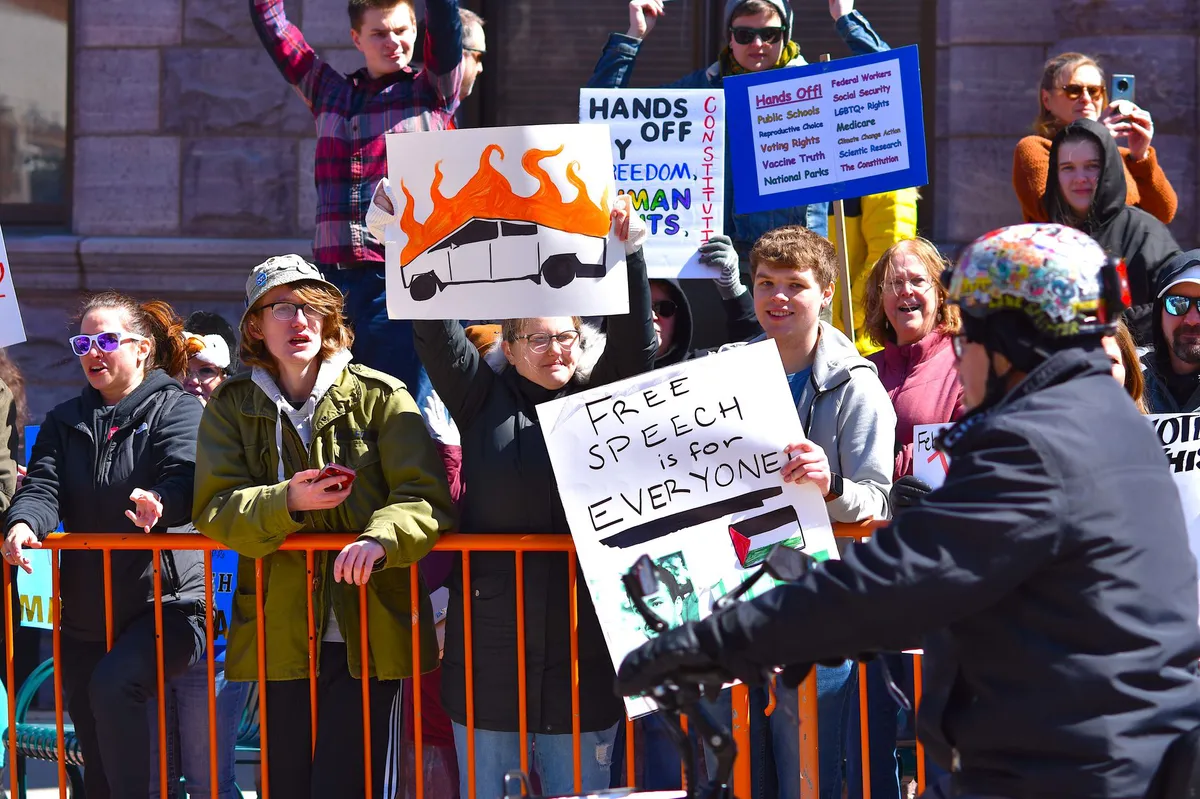
The ruling was met with enthusiasm from the plaintiffs and civil rights advocates. Conor Fitzpatrick, an attorney from the Foundation for Individual Rights and Expression, stated that the decision reflects a fundamental constitutional principle: “In America, free speech doesn’t just belong to the people who say things the government agrees with.”
George Porteous, editor in chief of the Stanford Daily, also voiced relief, noting that the ruling protects reporters from the fear of deportation for their work. This is particularly critical for student journalists, who often navigate sensitive topics that may attract governmental scrutiny.
Looking Ahead: The Future of Free Speech and Immigration
As the legal framework surrounding immigration and free speech continues to evolve, this ruling could catalyze further discussions and reforms. The balance between national security and individual rights will remain a contentious issue, particularly in an increasingly polarized political climate.
Moreover, the ruling raises questions about the enforcement of existing immigration laws and the potential for reform to prevent misuse in the future. Advocates hope that this case will serve as a springboard for broader legal and legislative efforts aimed at safeguarding the rights of noncitizens.
Key Takeaways
- Federal Judge Noël Wise's ruling protects noncitizens' free speech rights.
- The First and Fifth Amendments apply equally to all individuals in the U.S.
- The ruling could inspire further legal challenges against government overreach.
- Advocates celebrate the reaffirmation of fundamental constitutional principles.
Frequently Asked Questions
What does the ruling mean for international students in the U.S.?
The ruling means that international students can express their opinions freely without fear of visa revocation or deportation based on their speech. This is a significant protection that allows them to engage in discussions and advocacy without the threat of government retaliation, thereby fostering a more open and democratic environment on college campuses.
How does this ruling affect immigration law?
The ruling challenges the broad powers granted to immigration officials under the Immigration and Nationality Act, particularly regarding the enforcement of speech-related restrictions. It sets a precedent that may limit the government's ability to use immigration laws as tools for punishing dissent, potentially leading to reforms in how these laws are applied.
What are the implications for free speech in the U.S.?
This ruling strengthens the foundation of free speech in the U.S., reinforcing the idea that all individuals, regardless of citizenship status, are entitled to express their opinions without fear. It serves as a reminder of the importance of protecting dissenting voices in a democracy and may encourage more robust legal protections for free speech moving forward.
What should individuals do if they feel their speech is being targeted?
If individuals believe their speech is being targeted or they are facing repercussions for expressing dissenting opinions, they should seek legal counsel from organizations specializing in civil liberties and free speech rights. These organizations can provide guidance on how to navigate potential legal issues and advocate for their rights in the face of government overreach.
Disclaimer: The content is general information, not legal advice.
Comments
Revolutionizing Personal Injury Law: The Moore Payne Attorneys Approach
Moore Payne Attorneys are challenging the traditional high-volume model in personal injury law by prioritizing client relationships and trial readiness. Their innovative approach is reshaping the landscape of legal representation, emphasizing quality over quantity.
Related articles




Popular in Personal Injury
- Hawaii Supreme Court Overturns 36-Year-Old Rape Conviction Due to Forensic Flaws
- The Impact of Pro Bono Work by BigLaw Firms in 2025
- Albertsons Faces Trial Over Role in Washington's Opioid Crisis
- The Hidden Dangers of Open Manholes in New York City
- Historic $81 Million Verdict in Utah Pedestrian Wrongful Death Case