Understanding Estate Closure: What Executors and Heirs Must Know
Closing a probate estate marks a significant milestone, but it doesn't always signify the end of all estate-related issues for executors and heirs. This article explores what happens after probate closure, including the responsibilities of personal representatives and the potential for later claims and discovered assets.

The closure of a probate estate is often viewed as the final chapter in the lengthy process of managing a deceased person's affairs. However, many individuals are unaware that closing the probate file does not necessarily signal the end of all estate-related responsibilities or potential issues. For executors and heirs, understanding the nuances of estate closure is crucial to navigating any post-probate complications. This article delves into the legal implications of a closed estate, the responsibilities of personal representatives, and what to do when new assets or claims arise after closure.
What Does Estate Closure Mean?
When an estate is closed, it typically implies that the personal representative—often referred to as the executor—has successfully managed the estate's assets, settled debts, and fulfilled all necessary distributions to beneficiaries. However, the legal implications of closing an estate can vary significantly based on state statutes and specific court orders. In some jurisdictions, a formal court order may be required to finalize the closure, while others may allow for a verified closing statement.
For example, in Utah, the law permits personal representatives to close estates by filing a verified statement, waiving certain accountings under specific circumstances. A formal closing order, however, not only confirms that the required administration has occurred but also can discharge the personal representative from further claims related to the estate's management. It's important for executors and heirs to carefully review the closing document to understand what liabilities may still exist.

The Role of Final Accounting in Estate Closure
One of the central components in closing an estate is the final accounting, which is a comprehensive financial report detailing all estate transactions, including income, expenses, debts, and distributions. This accounting serves as a crucial record for beneficiaries, allowing them to understand how the estate's assets were managed. In formal probate proceedings, beneficiaries typically receive notice of the final accounting and may have the opportunity to object to it.
Key Components of Final Accounting
- Estate Property: A detailed list of all assets collected and their values.
- Income and Expenses: A breakdown of earnings and expenditures during the probate process.
- Debts and Taxes: Information on settled debts and any tax obligations that were addressed.
- Distributions: Details on how and when assets were distributed to beneficiaries.
While some states allow for a simplified process where interested parties can waive the formal accounting, the personal representative must adhere to local laws and court rules to ensure proper closure.

Post-Closure Responsibilities and Limitations
Once an estate is closed, the personal representative's authority typically ends, but this does not mean that all responsibilities vanish. Executors should be aware that they may still receive documents related to the estate, such as tax forms or inquiries from creditors. Understanding when their authority officially terminates is crucial to avoiding potential complications.
In Utah, for instance, the appointment of a personal representative is terminated upon a formal closing order, whereas other states might allow a period of one year post-closure for certain claims to be addressed. It is essential for executors to maintain careful records of communications and documents, as these may be required for future inquiries or claims.

Handling Later-Discovered Assets
One of the most common surprises after an estate has been closed is the discovery of previously unknown assets. These can include overlooked bank accounts, mineral rights, or even real estate parcels. The approach to managing these assets will depend on their nature and value, as well as state law.
Subsequent Administration
If a significant asset is discovered, state laws like Utah's allow for subsequent administration of the estate, which may require appointing a successor personal representative. In Florida, similar provisions exist that permit further estate administration even after final settlement. For smaller assets, simpler transfer procedures, such as affidavits, may be applicable. Executors must confirm the appropriate method before taking any action.
Tax Obligations After Estate Closure
Another critical consideration for both executors and beneficiaries is the ongoing tax obligations that may arise after the estate has been closed. Even after closure, valid federal or state tax filings may still be required. For instance, a corrected Form 1099 might report income attributable to the estate or beneficiaries that needs to be addressed.
Executors are still responsible for filing the decedent’s final tax return, which includes any necessary prior-year returns. If tax documents arrive post-closure, the responsible party must ascertain their obligations under federal tax rules and the closing order instead of assuming that all authority has lapsed.

Key Takeaways
- Closure Does Not Mean Complete Immunity: Just because an estate is closed does not mean all claims against the personal representative are barred.
- Final Accounting is Crucial: Executors should prepare a detailed final accounting to provide transparency to beneficiaries.
- Be Aware of Later Discoveries: If new assets are discovered, be prepared for potential subsequent administration.
- Tax Obligations Persist: Executors and heirs must remain vigilant regarding tax responsibilities even after the estate is closed.
Frequently Asked Questions
Can claims be made against an estate after it has been closed?
While closing an estate does create challenges for creditors seeking claims, it is not impossible. The specific rules governing late claims depend on state law. In many jurisdictions, claims must be made within a certain timeframe, and if they are not, they may be barred. However, exceptions often exist for fraud or misrepresentation. Executors should be aware of these nuances to navigate potential claims effectively.
What should executors do with estate records after closure?
Executors should retain important estate documents even after closure. This includes the will, final accounting, tax returns, and any significant court orders. The retention period for these documents will vary based on state law and IRS guidelines, but it is wise to keep them for several years to address any potential inquiries or claims that may arise.
How can beneficiaries protect their interests after probate closure?
Beneficiaries can safeguard their interests by confirming that all distributions have been properly recorded and that they possess the necessary documentation to establish ownership. Keeping records of any communications with the executor, as well as receipts for distributions, will also be beneficial should any disputes arise in the future.
What steps should be taken if a new asset is discovered after estate closure?
If a previously unknown asset is found after closure, the personal representative or heirs should consult state laws regarding subsequent administration. In some cases, it may be necessary to appoint a new personal representative or utilize simplified transfer procedures for smaller assets. It's crucial to understand the legal implications before taking any action.
Disclaimer: The content is general information and not legal advice.
Comments
Revolutionizing Personal Injury Law: The Moore Payne Attorneys Approach
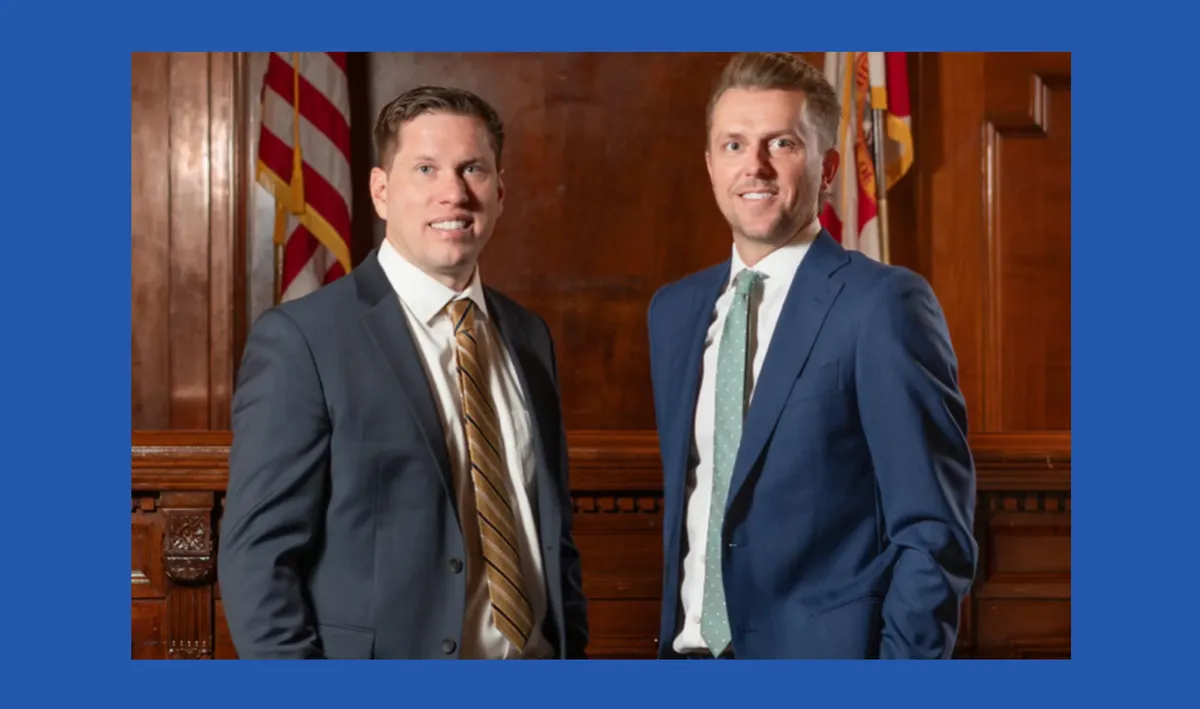
Moore Payne Attorneys are challenging the traditional high-volume model in personal injury law by prioritizing client relationships and trial readiness. Their innovative approach is reshaping the landscape of legal representation, emphasizing quality over quantity.
Related articles





Popular in Personal Injury
- Hawaii Supreme Court Overturns 36-Year-Old Rape Conviction Due to Forensic Flaws
- The Impact of Pro Bono Work by BigLaw Firms in 2025
- Albertsons Faces Trial Over Role in Washington's Opioid Crisis
- The Hidden Dangers of Open Manholes in New York City
- Historic $81 Million Verdict in Utah Pedestrian Wrongful Death Case