Shocking Discovery: Over 50 Bodies Found in Chicago Funeral Home
A disturbing investigation is underway in Chicago after more than 50 bodies were found improperly stored at a funeral home. This raises serious questions about regulatory oversight and the treatment of the deceased.

In a harrowing revelation, more than 50 bodies were discovered in various states of decomposition at a funeral home in Chicago’s Southeast Side. This shocking incident has triggered a state investigation into the ethical and legal practices of the South Chicago Chapel, raising significant concerns regarding the handling of the deceased and the adequacy of regulatory oversight in the funeral industry. The impacts of this case extend beyond immediate community outrage and highlight systemic issues in how funeral homes are licensed and monitored across the state.
State officials, collaborating with the Chicago Police Department, stumbled upon the gruesome scene during a routine inspection triggered by concerns over licensing violations. What they uncovered was not just a legal failure but a profound moral neglect that could have lasting repercussions for families in mourning. As authorities sift through the details, the public is left to grapple with the implications of such a scandal in an industry meant to provide dignity in death.
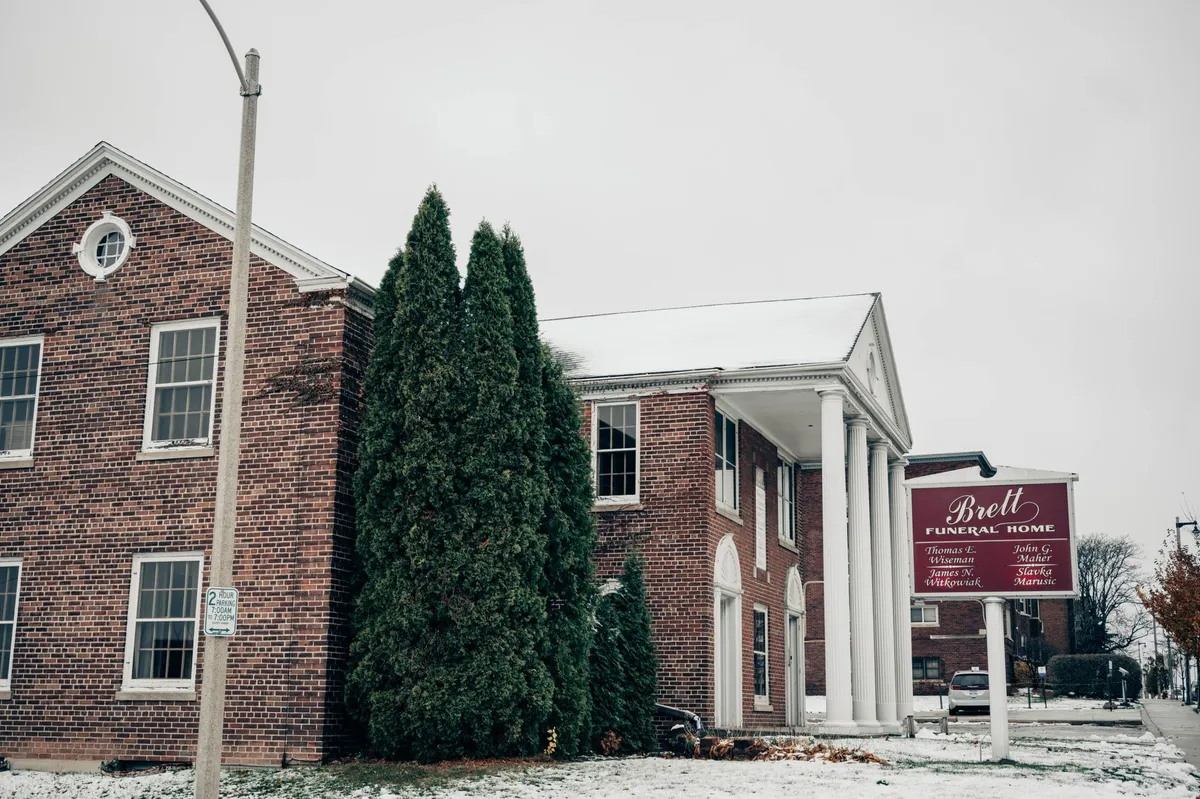
Investigation Details: The Scene Unfolds
On a Thursday that will likely be etched in the memories of local residents forever, police officers entered the South Chicago Chapel as part of an investigation initiated by the Illinois Department of Financial and Professional Regulation (IDFPR). It was during this inspection that the officers discovered numerous bodies improperly stored throughout the building, including shocking locations such as closets and an attached garage.
The Cook County Medical Examiner’s Office was quickly called to assist in the investigation, emphasizing the urgency and seriousness of the situation. Investigators and forensic staff immediately began the grim task of examining the remains, which were reported to be in varying stages of decomposition. This process is anticipated to be lengthy and complex, involving the painstaking identification of the deceased through documents such as identification papers and death certificates.
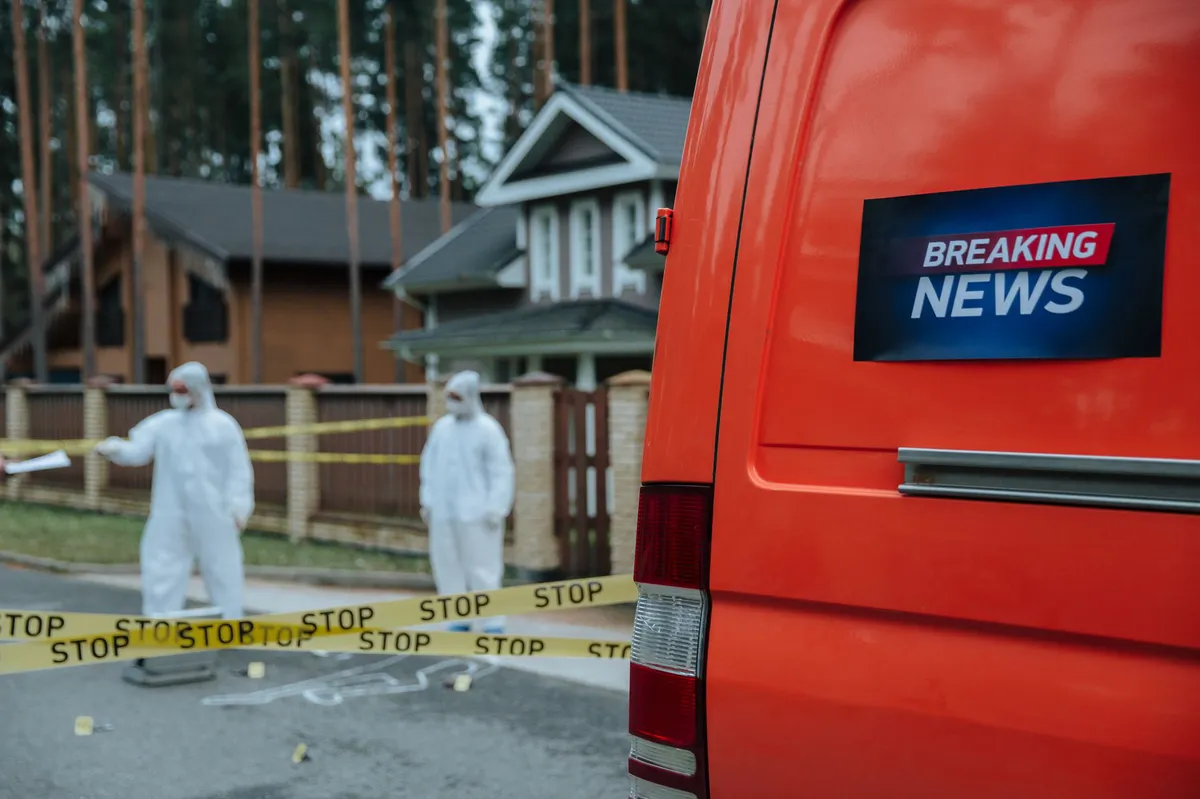
Background: A Pattern of Neglect
The current investigation is not an isolated incident; it is part of a troubling pattern involving the funeral home’s director, Johanna Morgan. State records reveal that her director and embalmer license had been temporarily suspended earlier this year, on August 5, due to allegations of serious misconduct. The suspension was reportedly ordered after claims surfaced that several bodies were being kept in conditions devoid of proper refrigeration, leading to extreme decomposition.
These allegations echo a prior incident involving another facility, Heights Crematory, where both Johanna and her husband, Clark Morgan, faced scrutiny in 2025. During that investigation, a similar pattern emerged, with auditors discovering bodies stored under unacceptable conditions and the couple ultimately agreeing to shut down the crematory rather than confront the state in a formal hearing. The findings from that case raised alarms about the broader implications for funeral practices in Illinois, calling into question the regulatory framework that allows such establishments to operate.
- Over 50 bodies found at South Chicago Chapel in poor condition
- Investigation initiated by the Illinois Department of Financial and Professional Regulation
- Previous license suspension for funeral director Johanna Morgan
- Similar past violations involving Heights Crematory
- Community concerns about odors and health hazards
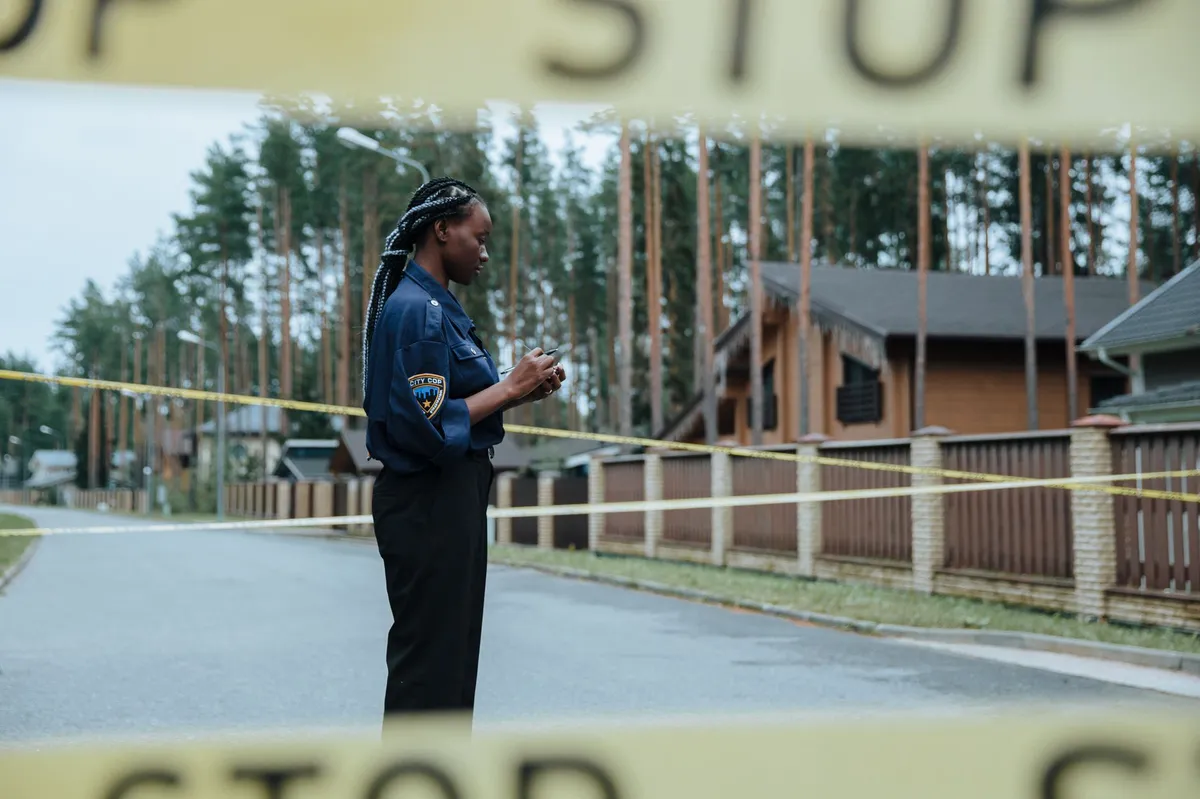
The Community's Reaction: Health and Safety Concerns
The discovery of the bodies has understandably stirred outrage and concern among local residents. Frank Dower, a resident who frequents the area, reported that unusual and unpleasant odors had begun to permeate the neighborhood in the weeks leading up to the investigation. While the source of the smell remained a mystery at the time, it has since been linked to the horrific discoveries within the funeral home.
The Chicago Fire Department responded to the scene, primarily to assist in gaining access to the building rather than addressing a hazardous materials incident, which further highlights the gravity of the situation. As the community processes this shocking news, there are growing fears about public health implications, particularly considering the conditions in which the bodies were found, which included reports of rodents and maggots contributing to the decomposition.
Legal Ramifications: What’s Next?
As investigators continue to work through the tragic findings at the South Chicago Chapel, the legal ramifications for Johanna Morgan and her funeral home are still unfolding. Authorities have yet to release the identities of the deceased, but the focus is now shifting toward determining accountability and ensuring justice for the families affected.
In terms of legal consequences, the IDFPR has the power to impose sanctions, which may include fines, revocation of licenses, or even criminal charges for violations of state funeral laws. In Illinois, funeral homes are required to adhere to strict regulations regarding the handling, storage, and transportation of human remains, and failure to comply can lead to severe penalties. The implications of this case may also prompt a broader review of practices across the state, leading to new regulations designed to prevent such egregious misconduct in the future.

Key Takeaways
- The discovery of over 50 bodies at a Chicago funeral home raises serious ethical and legal questions.
- State investigators are examining previous violations by the funeral director and the facility.
- Local residents expressed health concerns due to foul odors emanating from the property.
- Legal repercussions for the funeral home could include fines and license revocation.
- This incident may lead to stricter regulations governing funeral home operations in Illinois.
Frequently Asked Questions
What regulations govern funeral homes in Illinois?
In Illinois, funeral homes are regulated by the Illinois Department of Financial and Professional Regulation (IDFPR). These regulations dictate the standards for handling, storage, and transportation of human remains, requiring that bodies be kept in refrigerated conditions and handled with dignity and respect. Violations of these regulations can result in severe penalties, including fines and license suspensions.
What should families do if they suspect malpractice at a funeral home?
If families suspect malpractice at a funeral home, they should document their concerns and report them to the IDFPR or local authorities. It is crucial to gather any evidence of misconduct, such as photographs or witness statements, and to seek legal advice if necessary. Families may also consider contacting an attorney specializing in personal injury or consumer rights to explore their options.
How can the public ensure that funeral homes are operating ethically?
The public can play a vital role in ensuring that funeral homes operate ethically by advocating for stronger regulations and oversight. Engaging with local representatives to express concerns about current practices and supporting initiatives aimed at increasing transparency in the funeral industry are both effective methods. Additionally, individuals can educate themselves about their rights when dealing with funeral services, empowering them to make informed decisions.
What might happen to the funeral director involved in this case?
The funeral director, Johanna Morgan, could face a range of legal consequences, including fines, license revocation, and potential criminal charges, depending on the outcomes of the investigation. If found guilty of violating state regulations, she may also be barred from operating in the industry in the future, reflecting the serious nature of the allegations against her.
This content is general information and not legal advice.
Comments
The Impact of Healthcare Refusal Laws on HIV Care Access and Outcomes
Healthcare refusal laws are reshaping the landscape of HIV care in the U.S., impacting access to essential medications and services. This article explores these laws' implications for vulnerable communities and healthcare providers.

Related articles



Popular in Personal Injury
- Hawaii Supreme Court Overturns 36-Year-Old Rape Conviction Due to Forensic Flaws
- The Impact of Pro Bono Work by BigLaw Firms in 2025
- Albertsons Faces Trial Over Role in Washington's Opioid Crisis
- The Hidden Dangers of Open Manholes in New York City
- Historic $81 Million Verdict in Utah Pedestrian Wrongful Death Case