Excessive Force Lawsuit Against San Diego Deputy Moves Forward
A federal judge allows part of a lawsuit by David Beck, who claims excessive force was used during a diabetic episode, to proceed against San Diego County. The ruling raises important questions about police conduct and disability awareness.

The intersection of law enforcement and medical emergencies can be fraught with challenges, particularly when officers misinterpret the conditions of individuals they encounter. This issue was thrust into the spotlight recently in San Diego, where a federal judge ruled that a lawsuit alleging excessive force against a sheriff’s deputy will proceed. The case revolves around David Beck, a 59-year-old man from Chula Vista, California, who claims he was violently detained by deputies while suffering a diabetic episode.
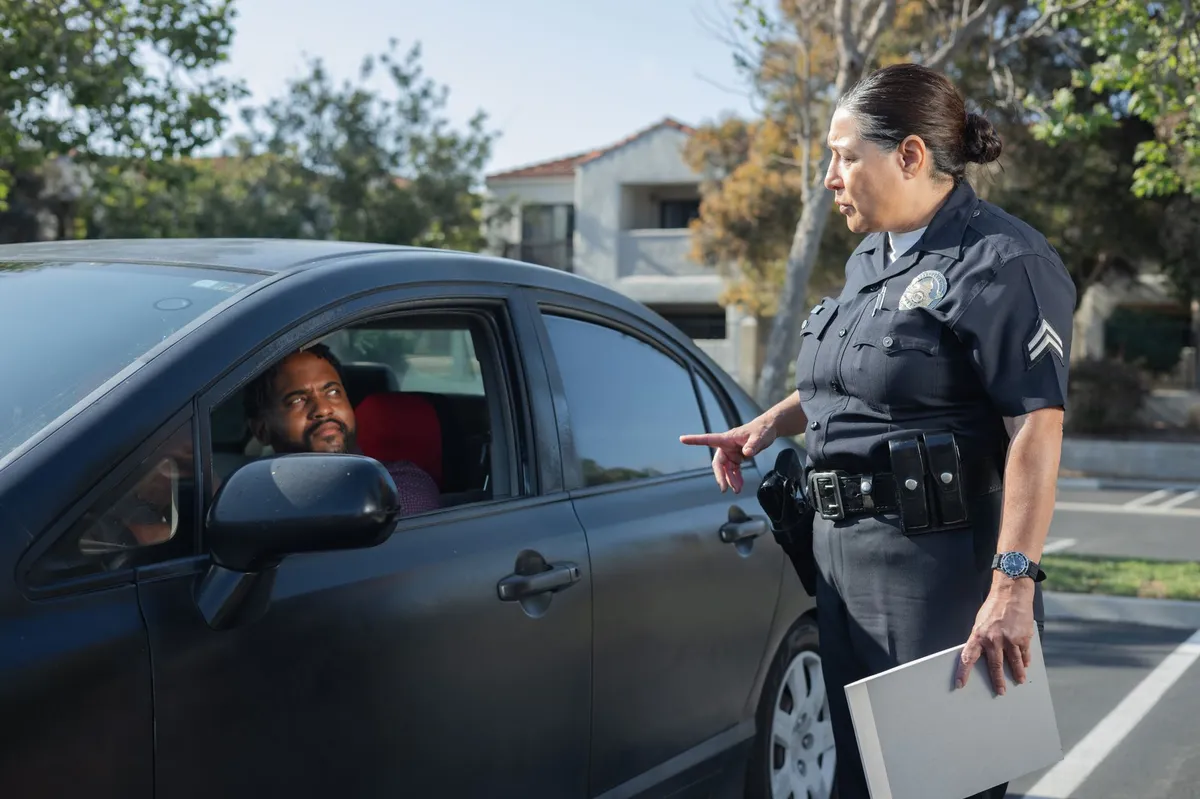
On November 25, 2024, Beck found himself in a precarious situation that escalated into a confrontation with Deputy Thompson of the San Diego County Sheriff’s Department. While Beck was experiencing a severe diabetic episode, he pulled over to the side of the road and contacted his girlfriend, who alerted first responders to his condition. However, instead of receiving the help he needed, Beck alleges that he was forcibly removed from his vehicle and thrown to the ground by Deputy Thompson, resulting in a dislocated shoulder and significant emotional distress.
Understanding Excessive Force Claims
Excessive force claims in the United States often hinge on the Fourth Amendment, which protects citizens from unreasonable searches and seizures, including the use of unreasonable force during arrests. In Beck's case, the court had to determine whether Deputy Thompson's actions were justified given the circumstances of Beck's diabetic episode.
The Ruling and Its Implications
U.S. District Judge Thomas Whelan's ruling allowed Beck's claims regarding violations of the Americans with Disabilities Act (ADA) and the Rehabilitation Act to proceed. These acts prohibit discrimination against individuals with disabilities and require public entities to make reasonable accommodations. In this instance, Beck's complaint argued that Deputy Thompson was aware of his condition due to the glucose monitor on his arm and information relayed by his girlfriend.
However, the judge dismissed Beck's Monell claim, which would have held San Diego County liable for inadequate training regarding handling individuals with medical conditions. The crux of the ruling was whether there were sufficient grounds to believe that deputies frequently encounter diabetic episodes and respond with excessive force. The ruling highlights a potential gap in law enforcement training regarding medical emergencies, which could have broader implications for how similar cases are handled in the future.
Legal Context of Medical Emergencies and Law Enforcement
When a person with a medical condition encounters law enforcement, the response can often dictate the outcome of the situation. Here are several critical factors that come into play:
- Training and Awareness: Officers must be trained to recognize medical emergencies, particularly conditions like diabetes that can cause sudden incapacitation.
- Use of Force Standards: Law enforcement agencies have guidelines that dictate what constitutes reasonable force. Understanding these standards is crucial for both officers and civilians.
- Accountability Mechanisms: The legal system provides avenues for accountability through lawsuits, but the success of such claims often depends on the ability to demonstrate a clear violation of rights.
In Beck's case, the need for enhanced training on recognizing and appropriately responding to medical emergencies is paramount. The judge’s ruling may signal a growing recognition of this need within the legal framework, reflecting a shift towards ensuring that individuals with medical conditions are treated with the necessary care and respect during law enforcement encounters.
Personal Impact and Broader Consequences
The fallout from incidents like Beck's not only affects the individuals involved but also reverberates through the community and the law enforcement system as a whole. Beck's experience has left him with physical injuries, emotional trauma, and economic consequences, which are common among victims of excessive force. He continues to work a physically demanding job and engage in his passion for music, but the incident has undoubtedly had lasting effects on his quality of life.
Moreover, the legal proceedings surrounding Beck's claims bring attention to the broader implications of police practices. As communities demand more accountability and reform, cases like Beck's may serve as critical touchpoints for discussions around police training, community relations, and the treatment of individuals with disabilities.

Next Steps in Beck's Case
As the lawsuit progresses, Beck has been granted leave to amend his complaint, allowing him to potentially strengthen his claims regarding the sheriff's office's failure to train deputies adequately. The case will continue to unfold, with future hearings likely addressing the specifics of the excessive force claims and the county's responses.
The District Attorney's office has already declined to prosecute Beck's charges of resisting arrest, which raises further questions about the legitimacy of the deputy's actions during the incident. The absence of criminal charges against Beck indicates a significant disconnect between law enforcement actions and the realities of the situation he faced.
Key Takeaways
- The federal judge ruled that parts of David Beck’s excessive force lawsuit can proceed, highlighting issues of police conduct during medical emergencies.
- Claims regarding violations of the ADA and Rehabilitation Act are key components of the case, reflecting the importance of law enforcement training on medical conditions.
- Beck's experience underscores the need for accountability and reform in police practices, especially concerning individuals with disabilities.
Frequently Asked Questions
What constitutes excessive force in a police encounter?
Excessive force is defined as any level of force used by law enforcement that exceeds what is necessary to apprehend or control a suspect. Factors that determine excessive force include the severity of the crime, whether the suspect poses an immediate threat to officers or others, and whether the suspect is actively resisting arrest. In the context of medical emergencies, such as Beck's case, the perception of threat may be miscalculated, leading to unjustified use of force.
How does the Americans with Disabilities Act apply to police encounters?
The Americans with Disabilities Act (ADA) is a civil rights law that prohibits discrimination against individuals with disabilities. In police encounters, law enforcement officers are required to accommodate individuals with known disabilities, ensuring that their actions do not inadvertently escalate situations. For example, if an officer is aware that a person is experiencing a medical emergency, they should take that information into account when determining how to proceed.
What are the potential outcomes of lawsuits alleging excessive force?
Outcomes of excessive force lawsuits can vary widely but may result in monetary damages awarded to the victim, changes in law enforcement policies, or increased training for officers. In some cases, these lawsuits can lead to significant settlements, sometimes ranging from tens of thousands to millions of dollars, depending on the severity of injuries and the circumstances surrounding the incident. Additionally, successful lawsuits may prompt broader changes in police practices and community relations.
Can a person sue the police for injuries sustained during an arrest?
Yes, individuals can sue police departments for injuries sustained during an arrest, particularly if they believe excessive force was used. However, these cases can be complex and often require a thorough investigation to determine the legitimacy of the claims. Factors such as departmental policies, the actions of the officers involved, and the specific circumstances surrounding the arrest will all play a critical role in the outcome of such lawsuits.

Comments
Shocking Discovery: Over 50 Bodies Found in Chicago Funeral Home
A disturbing investigation is underway in Chicago after more than 50 bodies were found improperly stored at a funeral home. This raises serious questions about regulatory oversight and the treatment of the deceased.

Related articles







Popular in Personal Injury
- Hawaii Supreme Court Overturns 36-Year-Old Rape Conviction Due to Forensic Flaws
- The Impact of Pro Bono Work by BigLaw Firms in 2025
- Albertsons Faces Trial Over Role in Washington's Opioid Crisis
- The Hidden Dangers of Open Manholes in New York City
- Historic $81 Million Verdict in Utah Pedestrian Wrongful Death Case