California Health Initiative Faces Legal Challenge but Stays on Ballot
A recent ruling allows Proposition 44, aimed at increasing financial transparency in health clinics, to remain on the California ballot despite legal challenges from health center organizations. The implications of this initiative are significant for community health services across the state.
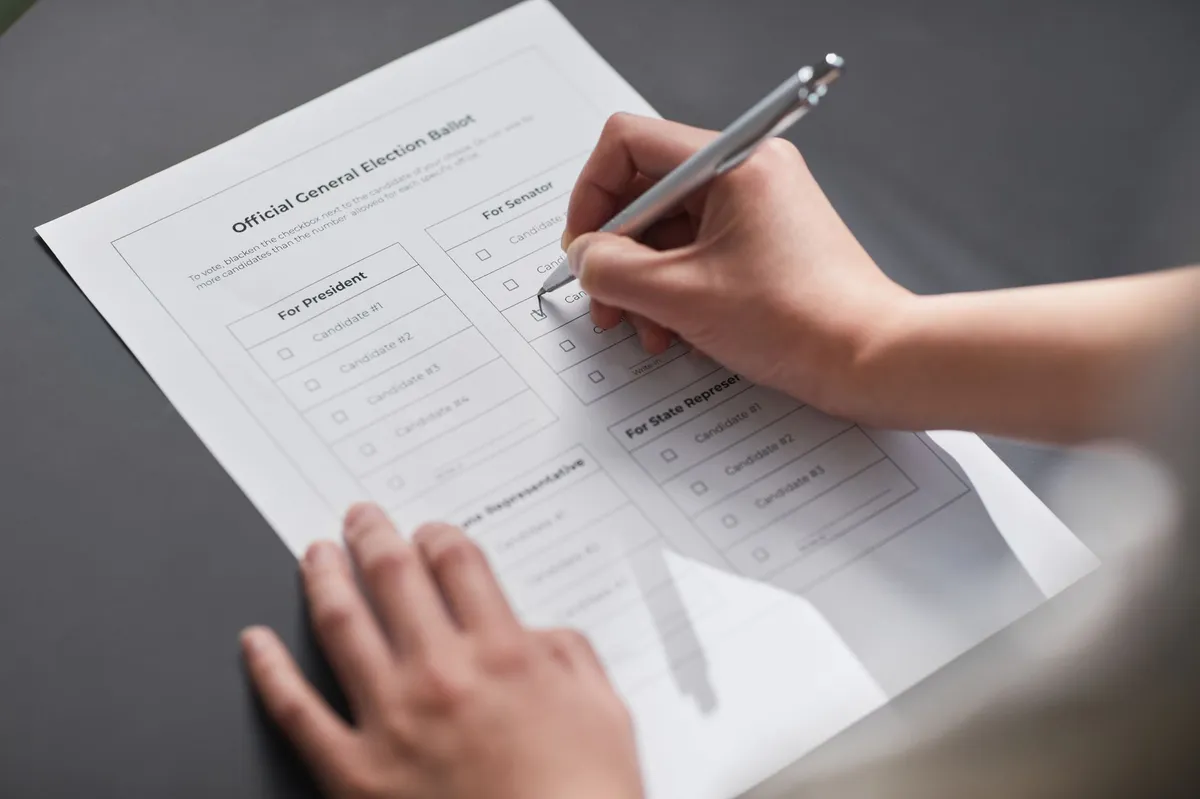
In a pivotal ruling that underscores the complexities of ballot initiatives and legal standing, a California magistrate judge has determined that two health center organizations cannot block the inclusion of Proposition 44—an initiative aimed at enforcing financial transparency and accountability in health clinics—on the November ballot. This decision not only highlights the legal framework surrounding ballot measures but also raises important questions about the future of community health services in California.
Magistrate Judge Alex Tse issued a 14-page ruling stating that the plaintiffs, including the California Primary Care Association and Open Door Community Health Centers, lacked the standing to sue California Secretary of State Shirley Weber. The plaintiffs' arguments hinged on claims that the proposition would impose an unconstitutional auditing process on health centers, which they argue could have dire financial implications. However, the judge noted that the plaintiffs failed to demonstrate an ongoing violation of federal law, allowing the initiative to proceed without interruption.
Understanding Proposition 44
Proposition 44, also known as the Clinic Funding Accountability and Transparency Act, aims to mandate that federally qualified health centers allocate at least 90% of their total revenue towards program services that advance their charitable purposes, such as patient care. This requirement excludes management and overhead costs, which critics argue could place undue financial strain on community health centers already operating on tight budgets.
Key Components of Proposition 44
- Spending Requirement: Health centers must spend 90% of their revenue on direct patient services.
- Penalties for Non-compliance: Centers that fail to meet this spending ratio could face substantial fines, potentially amounting to $1.7 billion in the first year alone.
- Penalties Fund: Fines collected would go into a “Mission Spend Ratio Penalty Account” to fund clinical worker training and recruitment initiatives.
- Guidance from Attorney General: The initiative empowers the attorney general to define what constitutes “qualifying expenditures.”
This initiative has been met with fierce opposition, particularly from organizations representing health centers. They argue that the stringent financial requirements could lead to a significant number of clinics shutting down, thereby jeopardizing access to care for millions of patients. In fact, the plaintiffs assert that as much as 88% of community health centers may not meet the 90% threshold, risking up to 11.7 million patient visits annually.

The Legal Landscape of Ballot Initiatives
The recent ruling by Judge Tse is significant not only for Proposition 44 but also for the broader legal landscape of ballot initiatives in California. The legal principle of standing, which determines whether a party has the right to bring a lawsuit, played a crucial role in this case. In his ruling, Tse emphasized that allowing any party to challenge the placement of initiatives on the ballot could undermine the electoral process.
Implications of Standing
Standing is a critical legal concept that requires plaintiffs to demonstrate that they have suffered a concrete injury or have a specific stake in the outcome of a case. In this instance, the judge found that the plaintiffs' arguments were too abstract, focusing on generalized harm rather than concrete instances of injury. This ruling reinforces the notion that challenges to ballot initiatives must be based on tangible and demonstrable impacts.
The Role of the Secretary of State
California Secretary of State Shirley Weber's office has taken a neutral stance regarding Proposition 44, stating that the role of the Secretary is primarily ministerial when it comes to ballot measures. The office's statement indicated that it does not engage in evaluating the merits of the initiatives themselves. This neutrality is essential to maintaining the integrity of the electoral process, ensuring that all qualified initiatives are presented to voters without bias.
Potential Impact on Community Health Centers
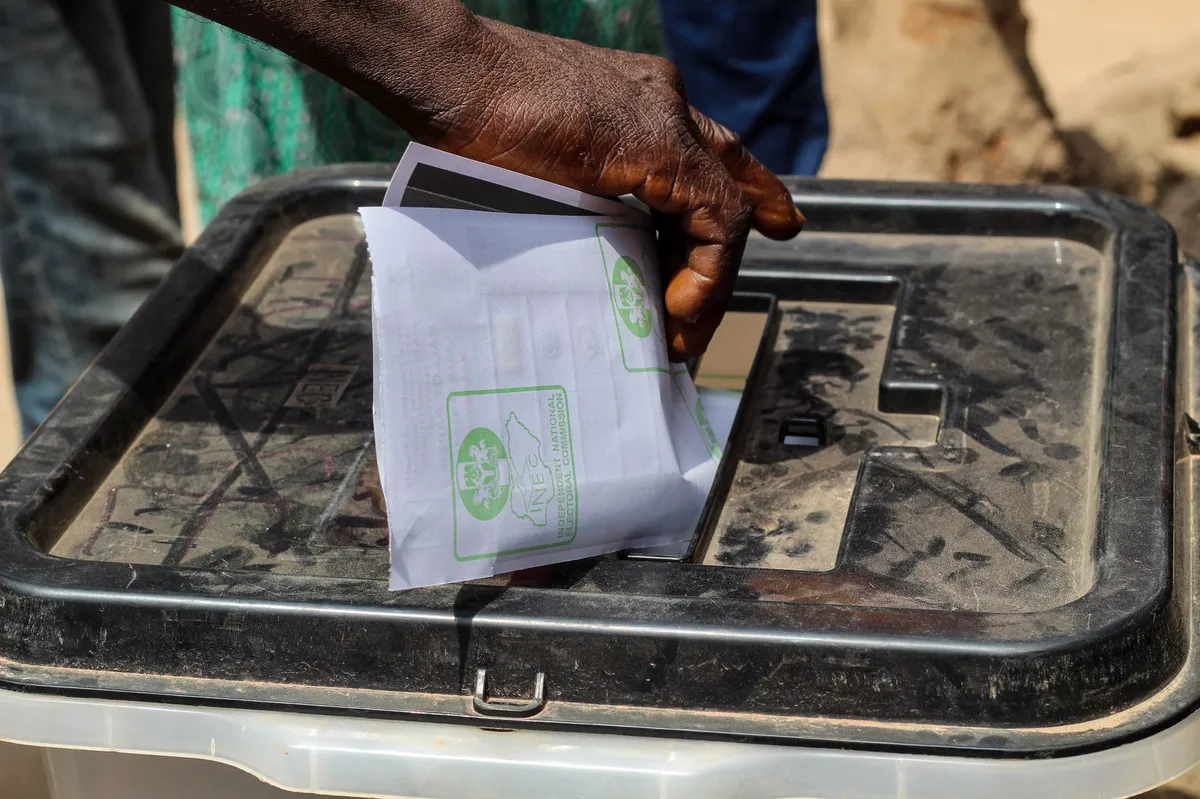
As the November election approaches, the stakes become increasingly high for community health centers across California. The potential passage of Proposition 44 could drastically alter the operational landscape for these organizations, many of which serve vulnerable populations. The financial burden imposed by the initiative could lead to significant cutbacks in services, staff layoffs, and, ultimately, the closure of clinics.
Projected Consequences of Proposition 44
Should Proposition 44 pass, the consequences may include:
- Service Reductions: Clinics may reduce offerings or eliminate services altogether, impacting patient access.
- Financial Instability: The threat of penalties could push many clinics into the red, leading to closures and layoffs.
- Legal Challenges: The initiative may face ongoing legal scrutiny, as opponents may continue to seek ways to challenge its implementation.
Community advocates have voiced concerns that these changes could disproportionately affect low-income and underserved populations, who rely heavily on these health centers for their medical needs.

Key Takeaways
- The California health initiative, Proposition 44, remains on the November ballot despite legal challenges.
- Judge Tse ruled that plaintiffs lacked standing to sue, citing abstract arguments regarding harm.
- Proposition 44 could impose significant financial penalties on community health centers, potentially impacting patient care.
- The Secretary of State's office maintains a neutral position regarding the initiative.
- Community health centers warn of dire consequences if the initiative passes, including potential clinic closures.
Frequently Asked Questions
What is Proposition 44?
Proposition 44 is a ballot initiative in California aimed at enforcing financial transparency among federally qualified health centers. It requires these centers to allocate 90% of their total revenue to direct patient services and imposes penalties for those that fail to comply. The initiative seeks to ensure that funds are utilized effectively in advancing healthcare services for the community.
What does the court ruling mean for the initiative?
The court ruling allows Proposition 44 to remain on the ballot for the upcoming election. The judge determined that the plaintiffs did not have the standing to block the initiative, meaning it will be up to California voters to decide its fate. This ruling emphasizes the legal framework that governs ballot measures and the importance of demonstrating concrete harm in legal challenges.
How might Proposition 44 affect health care access?
If passed, Proposition 44 could lead to significant financial penalties for many health centers, potentially resulting in reduced services or even closures. This could have a profound impact on healthcare access for millions of Californians, particularly those in low-income or underserved communities who rely on these centers for essential medical services.
What are the next steps for opponents of Proposition 44?
While the court ruling limits the immediate options for opposing groups, they may still pursue additional legal avenues or engage in public campaigns to educate voters about the potential impacts of the initiative. Advocates may continue to raise awareness about the implications of Proposition 44 on the healthcare system, particularly as the election approaches.
This article is for informational purposes only and does not constitute legal advice.
Comments
Shocking Discovery: Over 50 Bodies Found in Chicago Funeral Home
A disturbing investigation is underway in Chicago after more than 50 bodies were found improperly stored at a funeral home. This raises serious questions about regulatory oversight and the treatment of the deceased.

Related articles







Popular in Personal Injury
- Hawaii Supreme Court Overturns 36-Year-Old Rape Conviction Due to Forensic Flaws
- The Impact of Pro Bono Work by BigLaw Firms in 2025
- Albertsons Faces Trial Over Role in Washington's Opioid Crisis
- The Hidden Dangers of Open Manholes in New York City
- Historic $81 Million Verdict in Utah Pedestrian Wrongful Death Case