Berkeley Court Certifies Class Action for Unhoused Disabled Individuals
In a landmark decision, a federal court has certified a class action lawsuit challenging the City of Berkeley's encampment sweep policies, which allegedly discriminate against unhoused individuals with disabilities. This ruling highlights systemic issues affecting vulnerable populations and seeks to ensure their rights are upheld.

In a significant ruling that could reshape the treatment of unhoused individuals with disabilities, a federal judge from the U.S. District Court for the Northern District of California has approved a motion for class certification in a lawsuit against the City of Berkeley. This case, spearheaded by Disability Rights Advocates and the East Bay Community Law Center, challenges the city’s encampment sweep practices, which the plaintiffs argue disproportionately affect unhoused individuals with disabilities.
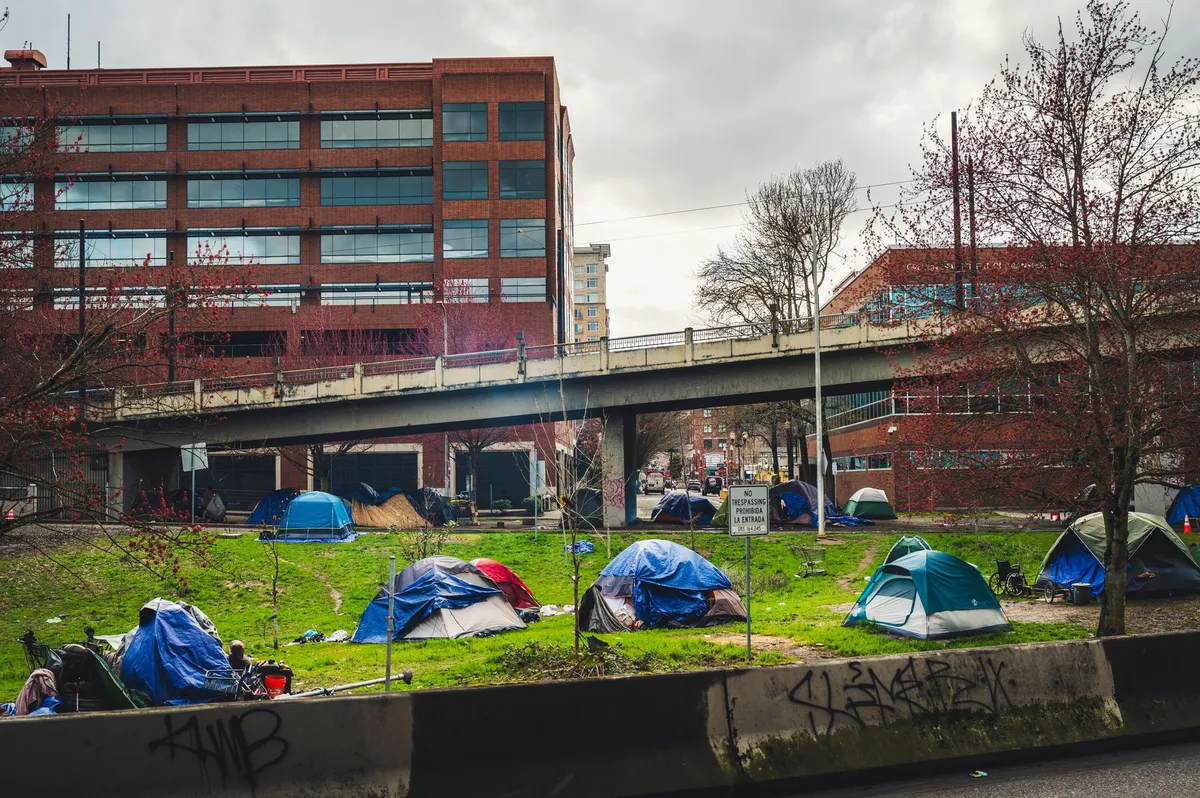
The lawsuit alleges that the City of Berkeley has engaged in discriminatory practices by failing to provide reasonable accommodations for unhoused individuals with disabilities, resulting in the unlawful destruction of their essential belongings. These belongings include critical items such as tents, medical equipment, and even personal identification documents, which are vital for the survival and dignity of these individuals.

Understanding the Class Certification
The certified class now encompasses all unhoused individuals with disabilities who have experienced or are at risk of experiencing the City’s encampment sweeps. This broad definition is crucial, as it acknowledges that the issue extends beyond just the named plaintiffs in the case. Additionally, a subclass has been established for those living in vehicles who cannot comply with the city’s policy requiring them to move every 72 hours due to their disabilities.
The Court's Findings
In certifying the class, the Court highlighted the troubling evidence presented regarding the City’s enforcement framework, which appears skewed toward the indiscriminate disposal of property. The judge noted, “The record contains abundant — and troubling — anecdotal evidence of an enforcement framework weighted in favor of property disposal.” This acknowledgment underlines the severity of the situation faced by the class members, who are already vulnerable due to their living conditions and disabilities.
The Plaintiffs’ Voices
Lead Plaintiff Yesica Prado passionately stated, “This case is bigger than Berkeley. It is about whether any city can treat disabled unhoused people as disposable.” Her words resonate with the urgency and importance of the case, as it seeks not just to protect her rights but to challenge a systemic issue that affects many. Similarly, Amber Whitson, another class representative, emphasized the additional challenges faced by disabled individuals who are unhoused, saying, “Being unhoused and disabled is hard enough without the city you live in actively working to keep you down.”
Implications of the Ruling
The implications of this ruling extend far beyond the confines of Berkeley. By certifying the class, the Court has paved the way for potential systemic changes to the city’s encampment sweep policies, ensuring they align with federal and state laws designed to protect the rights of individuals with disabilities. Emily Roznowski, a Senior Staff Attorney at Disability Rights Advocates, expressed optimism about the ruling, stating that it provides a pathway to seek meaningful relief for all unhoused individuals in Berkeley facing risks during encampment sweeps.
Accountability and Future Actions
The certification of this class action sends a clear message to municipalities nationwide: cities will be held accountable for their treatment of vulnerable populations. Brigitte Nicoletti, a Staff Attorney at East Bay Community Law Center, noted, “The Court’s certification of the class and sub-class provides us with the crucial opportunity to seek relief for the City’s most vulnerable residents.” This highlights the role of legal advocacy in addressing systemic injustices against marginalized groups.
The Role of Advocacy Organizations
Disability Rights Advocates and the East Bay Community Law Center are at the forefront of this fight, emphasizing the need for systemic changes that prioritize the rights of unhoused individuals with disabilities. Disability Rights Advocates is a leading national nonprofit focused on advancing the rights and inclusion of individuals with disabilities through impactful litigation and advocacy. They represent various disability groups in significant class action cases aimed at effecting change.
Meanwhile, the East Bay Community Law Center focuses on addressing inequities faced by marginalized communities, particularly women of color. Their efforts are centered on providing legal services and policy advocacy to ensure that all individuals can lead healthy and dignified lives.

Key Takeaways
- Class Certification: A federal court has certified a class action lawsuit against Berkeley's encampment sweep policies affecting unhoused individuals with disabilities.
- Discrimination Allegations: The lawsuit claims that Berkeley's practices unlawfully destroy essential belongings of unhoused individuals with disabilities.
- Broader Impact: The ruling could lead to systemic changes in city policies, affecting a larger population of unhoused individuals.
- Advocacy Role: Organizations like Disability Rights Advocates and East Bay Community Law Center are crucial in fighting for the rights of marginalized communities.
Frequently Asked Questions
What does class certification mean in legal terms?
Class certification is a legal process where a court recognizes a group of individuals with similar claims or damages as a single class for the purpose of a lawsuit. This allows them to sue collectively, which can be more efficient than filing individual lawsuits. In this case, it permits unhoused individuals with disabilities to challenge the City’s practices as a unified group.
How could this lawsuit affect other cities?
The outcome of this lawsuit could set a precedent for other cities facing similar challenges. If successful, it could encourage other municipalities to reevaluate their encampment policies and ensure compliance with federal and state laws protecting the rights of unhoused individuals, particularly those with disabilities. It may also inspire similar legal actions in other jurisdictions.
What are the potential outcomes of the lawsuit?
Potential outcomes of the lawsuit could include changes to Berkeley’s encampment sweep policies, compensation for the affected individuals, and a mandate for the city to provide reasonable accommodations for unhoused individuals with disabilities. Ultimately, the goal is to create a more humane and legally compliant approach to managing homelessness in the city.
What can individuals do to support this cause?
Individuals interested in supporting this cause can consider getting involved with advocacy organizations like Disability Rights Advocates and the East Bay Community Law Center. They can also participate in local community efforts aimed at raising awareness about the rights of unhoused individuals and supporting policy changes that promote equity and dignity for all individuals, regardless of their living situations.
This content is general information and not legal advice.
Comments
Shocking Discovery: Over 50 Bodies Found in Chicago Funeral Home
A disturbing investigation is underway in Chicago after more than 50 bodies were found improperly stored at a funeral home. This raises serious questions about regulatory oversight and the treatment of the deceased.

Related articles







Popular in Personal Injury
- Hawaii Supreme Court Overturns 36-Year-Old Rape Conviction Due to Forensic Flaws
- The Impact of Pro Bono Work by BigLaw Firms in 2025
- Albertsons Faces Trial Over Role in Washington's Opioid Crisis
- The Hidden Dangers of Open Manholes in New York City
- Historic $81 Million Verdict in Utah Pedestrian Wrongful Death Case