Denver Takes Legal Action Against Tobacco Giants Over Cigarette Litter
In a significant legal move, Denver has filed a lawsuit against Philip Morris and other tobacco companies, aiming to hold them accountable for the environmental damage caused by discarded cigarette butts. This case highlights the persistent issue of cigarette litter and its impact on public resources.

In a groundbreaking legal initiative, the city of Denver has filed a lawsuit against Philip Morris USA and several other major tobacco companies, seeking to recover costs associated with the cleanup of nonbiodegradable cigarette butts littering its streets, parks, and waterways. This lawsuit is not merely a local nuisance claim; it addresses a significant environmental concern that has persisted for decades and is fast becoming a public health issue as well.
The complaint, a comprehensive 72-page document, asserts that each sale and distribution of filtered cigarette products leads to additional waste being deposited on municipal property. The city argues that the accumulation of these cigarette filters constitutes a continuing interference with public resources and property rights. As a result, Denver seeks to shift the financial burden of cleanup from taxpayers back to the manufacturers responsible for the littering.

The Environmental Impact of Cigarette Butts
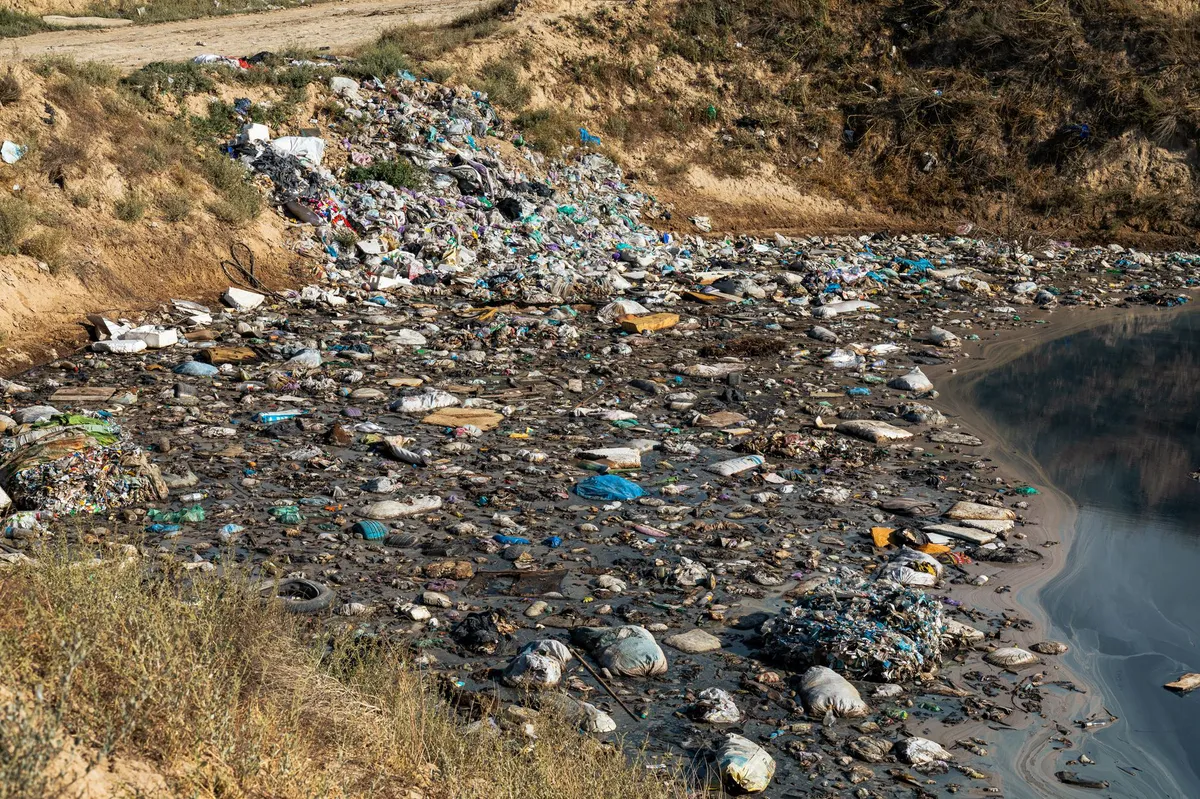
Modern cigarette filters are made from cellulose acetate, a synthetic plastic polymer that does not decompose under ordinary environmental conditions. This material poses a significant environmental threat as it breaks down into smaller particles, including microplastics, which can contaminate soil and waterways. Denver claims that cigarette litter is not just an aesthetic problem; it is a hazard that affects public health, wildlife, and the city's stormwater management systems.
The Scale of the Problem
Activists from Tobacco Free Colorado estimate that between 80,000 and 100,000 adults smoke cigarettes in the Denver metropolitan area. The city’s complaint underscores that the disposal of cigarette butts is not an isolated incident but an “inherent foreseeable and unavoidable result” of the design and intended use of these products. The ongoing littering necessitates municipal resources for collection, management, and disposal, which the city now seeks to recover through this legal action.
Legal Grounds for the Lawsuit
Denver's lawsuit cites multiple legal theories, including violations of state nuisance, trespass, negligence, product liability, and consumer protection laws. By framing the issue as a public nuisance, the city aims to hold tobacco companies accountable for the environmental degradation caused by their products. This approach highlights the long-standing knowledge of the tobacco industry regarding the aftermath of their product use.
Historical Context
Historical data supports Denver's assertions; a report from 1979 noted methods for avoiding liability under litter laws, while a 1996 survey found that 96% of smokers discarded their butts on the ground. This historical perspective strengthens the city’s claim that tobacco companies have long understood the consequences of their product's design but have failed to take responsibility for the resulting waste.

Implications for Public Health and Resources
Rather than focusing on the healthcare costs associated with smoking-related diseases, Denver's lawsuit emphasizes the environmental and financial burdens of cigarette litter. The city argues that these costs have been unfairly shifted onto taxpayers, who are left to manage the fallout from tobacco products without any financial support from their manufacturers.
The Role of Taxpayers
Chris Schnieders, representing Denver, pointed out the core issue of the lawsuit: who should bear the costs of addressing pollution caused by these products? The lawsuit seeks to ensure that manufacturers, who profit from the sale of cigarettes, also take responsibility for the environmental damage their products create. This case serves as a critical test of corporate accountability in environmental matters.
Broader Industry Implications
This lawsuit is part of a growing trend across the United States, where cities and states are increasingly holding corporations accountable for environmental harms related to their products. Denver's legal action against Philip Morris and other tobacco companies could set a precedent for other municipalities facing similar issues.
- Consumer Responsibility: Consumers can play a role in mitigating cigarette litter by properly disposing of butts and advocating for more sustainable products.
- Corporate Accountability: The outcome of this lawsuit may influence how other cities approach corporate accountability regarding environmental damage.
- Public Awareness: Increased awareness of the environmental impact of cigarette butts can lead to more robust public health campaigns and legislative changes.

Key Takeaways
- Denver is suing tobacco companies to recover cleanup costs for cigarette litter.
- Cigarette filters are made from non-biodegradable materials, contributing to environmental pollution.
- The lawsuit highlights the financial burden of cleanup on taxpayers and seeks to hold manufacturers accountable.
- Historical knowledge of littering behavior by smokers supports the city's claims against the tobacco industry.
- The outcome of this case could have broader implications for environmental accountability in corporate America.
Frequently Asked Questions
What specific damages is Denver seeking in the lawsuit?
Denver is seeking to recover the costs associated with cleaning up cigarette litter from its municipal properties. This includes expenses related to the collection, management, and disposal of cigarette butts found in streets, parks, and stormwater systems. The city argues that these costs should not fall on taxpayers, as they result from the tobacco companies’ product design and marketing practices.
How does the lawsuit frame the issue of cigarette litter?
The lawsuit frames cigarette litter as a public nuisance and trespass on municipal property. By categorizing the litter as a nuisance, Denver can leverage state laws that allow local governments to seek damages from companies whose products contribute to environmental degradation. This legal framework aims to hold the tobacco industry accountable for the persistent waste generated by their products.
What impact could this lawsuit have on the tobacco industry?
If successful, this lawsuit could set a legal precedent for other cities to pursue similar claims against tobacco manufacturers, potentially leading to increased corporate responsibility for environmental impacts. Additionally, it may prompt the tobacco industry to reconsider the design and materials used in their products to mitigate future liability related to littering and environmental harm.
Are there other cities pursuing similar legal actions?
Yes, several cities across the United States are increasingly holding corporations accountable for environmental damages linked to their products. This trend includes lawsuits against fast-food chains for wasteful packaging, oil companies for pollution, and now tobacco companies for cigarette litter. As communities face the growing challenge of managing waste, such legal actions may become more common in the future.
This article is for general information purposes only and should not be considered legal advice.
Comments
University of Colorado Shooting: Legal Fallout from Tragic Dorm Incident
The tragic shooting of two students at the University of Colorado Colorado Springs raises critical questions about campus safety, institutional accountability, and the legal ramifications of negligence. As a lawsuit unfolds, the spotlight is on how universities respond to threats and the adequacy of their safety protocols.

Related articles





Popular in Personal Injury
- Hawaii Supreme Court Overturns 36-Year-Old Rape Conviction Due to Forensic Flaws
- The Impact of Pro Bono Work by BigLaw Firms in 2025
- Albertsons Faces Trial Over Role in Washington's Opioid Crisis
- The Hidden Dangers of Open Manholes in New York City
- Historic $81 Million Verdict in Utah Pedestrian Wrongful Death Case