Ex-Border Officer Sentenced for Role in Sinaloa Cartel Drug Smuggling
Jesse Garcia, a former Customs and Border Protection officer, received a nine-year prison sentence for facilitating drug smuggling operations linked to the Sinaloa Cartel. His actions reflect serious issues of corruption within federal enforcement agencies.

The integrity of law enforcement is critical to maintaining the safety and security of a nation. However, recent events have shown that this integrity can be compromised, leading to severe consequences for both individuals and the broader community. In a striking case, former Customs and Border Protection (CBP) officer Jesse Garcia was sentenced to nine years in federal prison for his involvement in a drug smuggling scheme linked to the notorious Sinaloa Cartel. This case exemplifies the ongoing battle against corruption within federal agencies and the lengths individuals may go to exploit their positions for personal gain.
On a Friday in late September, U.S. District Judge Ruth Montenegro, appointed by President Joe Biden, handed down the sentence to the 38-year-old Garcia. His conviction stems from serious charges of importing controlled substances and conspiring to import controlled substances, which he pled guilty to back in July 2025. The case highlights the vulnerabilities within the U.S. border security system and raises questions about how such breaches can occur without detection for extended periods.

Corruption Uncovered: An Inside Look
The investigation into Garcia’s actions was part of a larger, multi-agency effort to combat corruption within the ranks of federal law enforcement. It revealed a troubling conspiracy involving another former CBP officer, Diego Bonillo, who also pleaded guilty to similar charges last year. Together, they provided the Sinaloa Cartel with vital information regarding their duty schedules and lane assignments, thereby facilitating the movement of illegal drugs across the U.S.–Mexico border.
According to prosecutors, the illicit collaboration began in 2021 and continued until 2024, demonstrating a sustained pattern of corruption that undermined the very purpose of their roles as border protection officers. The officers utilized a secret emoji-based code in text messages to communicate with cartel members, indicating a level of sophistication in their dealings that is alarming.
Details of the Smuggling Operation
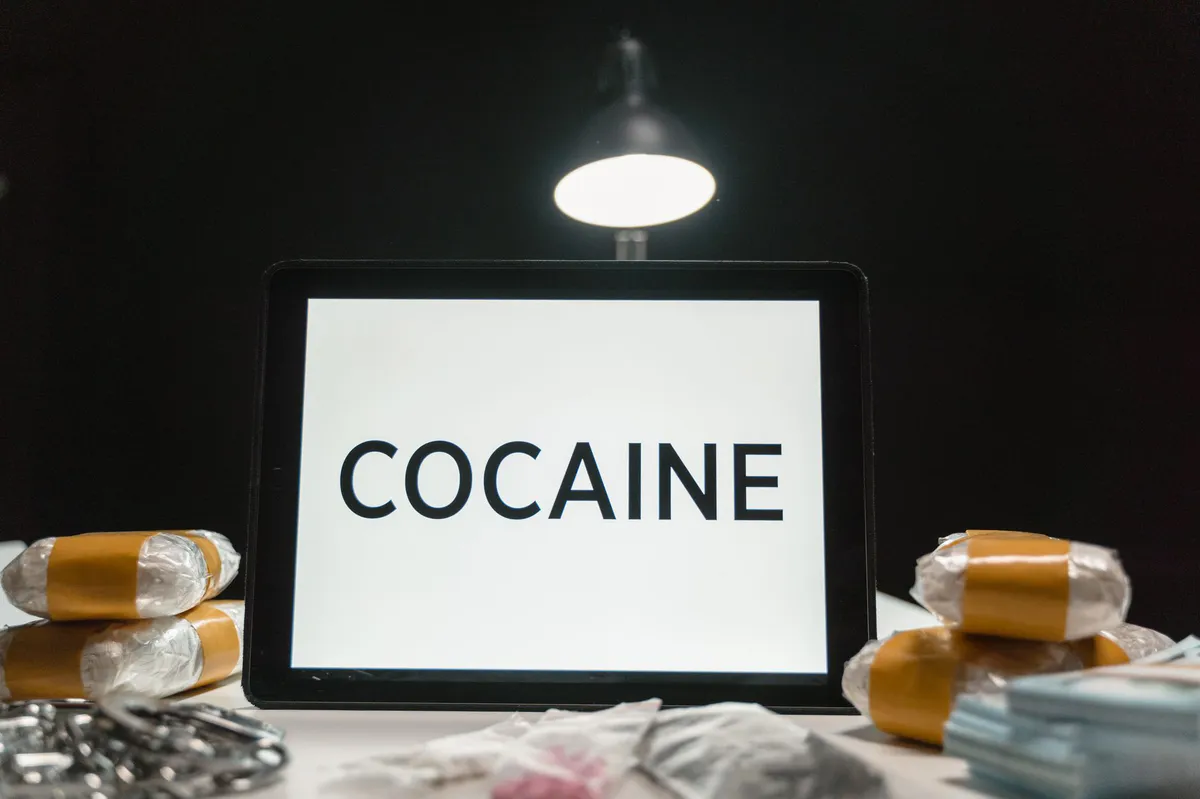
Garcia's specific admissions during the investigation were shocking. He acknowledged that he allowed at least 100 kilos of fentanyl, 107 kilos of methamphetamine, and 270 kilos of cocaine to pass through the border while working at the Tecate port of entry, a smaller crossing located about an hour east of San Diego. Meanwhile, Bonillo operated at the Otay Mesa port of entry, a short drive south of San Diego.
In exchange for facilitating these illegal activities, Garcia received substantial payments of approximately $10,000 for each drug-laden vehicle he allowed through the border. This arrangement funded a lavish lifestyle for Garcia, which included a high-end vehicle, a horse-racing business, and a ranch in Mexico.
The Consequences of Corruption
The implications of Garcia and Bonillo's actions are far-reaching, extending beyond their personal consequences. Adam Gordon, the U.S. Attorney for the Southern District of California, emphasized the gravity of Garcia's betrayal, stating, “Officer Garcia betrayed his oath, his fellow officers, and his country. His conduct warranted this significant sentence.” This sentiment resonates with many in law enforcement and the public who rely on these officers to uphold the law.
The sentencing serves as a warning that corruption will not be tolerated within federal agencies. Mark Remily, the special agent in charge of the FBI San Diego Field Office, asserted, “Jesse Clark Garcia showed total disregard for the oath he took as a CBP officer to protect our communities.” This case highlights the ongoing efforts by law enforcement to root out corruption and hold accountable those who abuse their positions.
Ongoing Investigations
As investigations into corruption continue, the Department of Homeland Security (DHS) has reiterated its commitment to addressing these issues. Inspector General Joseph Cuffari noted, “DHS employees who abuse their positions and betray the public’s trust will be held accountable for their actions.” This commitment is crucial in restoring public confidence in border security and federal law enforcement as a whole.
While Bonillo received a significantly longer sentence of 15 years for his role in the scheme, Garcia’s nine-year sentence still reflects the seriousness of his offenses. The differences in sentencing could stem from various factors, including plea agreements, the extent of cooperation with the investigation, and the overall impact of their actions.

Broader Context: The Fight Against Drug Trafficking
The case against Garcia and Bonillo is part of a larger narrative concerning drug trafficking in the United States. The Sinaloa Cartel is one of the most powerful drug trafficking organizations in the world, responsible for the distribution of large quantities of illegal drugs across the U.S. border. With the opioid crisis continuing to plague many communities, the role of law enforcement in combating drug trafficking has never been more critical.
The U.S. government has allocated significant resources to enhance border security and combat drug smuggling, yet cases like this underscore the challenges posed by internal corruption. The effectiveness of these efforts is often undermined when individuals within the system exploit their positions for personal gain.
Moreover, the ramifications of such corruption extend beyond the immediate legal consequences for the individuals involved. Communities affected by drug trafficking suffer from increased crime rates, health crises, and a general decline in public safety. The trust that citizens place in law enforcement can be severely damaged when officers are implicated in criminal activities.

Key Takeaways
- Jesse Garcia was sentenced to nine years in prison for facilitating drug smuggling for the Sinaloa Cartel.
- He provided vital duty information to smugglers, allowing significant quantities of drugs to enter the U.S.
- The case highlights ongoing issues of corruption within federal law enforcement agencies.
- The FBI and DHS are committed to rooting out corruption and restoring public trust.
- The opioid crisis underscores the importance of effective law enforcement in combating drug trafficking.
Frequently Asked Questions
What led to Jesse Garcia's investigation and arrest?
The investigation into Jesse Garcia was part of a broader, multi-agency effort to combat corruption within federal law enforcement. This investigation revealed that Garcia, along with another CBP officer, had been facilitating drug smuggling operations for the Sinaloa Cartel by providing them with information about their duty schedules and lane assignments. Their activities went undetected for several years, indicating significant vulnerabilities within the border security system.
What are the penalties for drug smuggling in the U.S.?
Penalties for drug smuggling in the United States can vary widely depending on several factors, including the type and quantity of drugs involved, prior criminal history, and whether the individual cooperated with law enforcement during the investigation. Generally, sentences for drug smuggling can range from several years to life imprisonment, particularly for serious offenses involving large quantities of dangerous drugs like fentanyl and cocaine.
How does internal corruption affect border security?
Internal corruption poses a significant threat to border security by undermining the integrity of law enforcement agencies tasked with protecting the nation's borders. When officers exploit their positions for personal gain, it creates vulnerabilities that drug trafficking organizations can exploit. This not only allows illegal substances to enter the country but also erodes public trust in law enforcement, leading to a cycle of increased crime and decreased safety in affected communities.
What steps are being taken to prevent corruption among federal officers?
The federal government has implemented various measures to combat corruption among law enforcement officers, including increased oversight, enhanced training, and the establishment of internal affairs units dedicated to investigating allegations of misconduct. Additionally, collaboration between agencies, such as the FBI and DHS, is crucial for identifying and addressing corruption. Public awareness and reporting mechanisms are also essential in creating an environment where corruption can be detected and addressed promptly.
This article is for informational purposes only and does not constitute legal advice.
Comments
Denver Takes Legal Action Against Tobacco Giants Over Cigarette Litter
In a significant legal move, Denver has filed a lawsuit against Philip Morris and other tobacco companies, aiming to hold them accountable for the environmental damage caused by discarded cigarette butts. This case highlights the persistent issue of cigarette litter and its impact on public resources.

Related articles




Popular in Personal Injury
- Hawaii Supreme Court Overturns 36-Year-Old Rape Conviction Due to Forensic Flaws
- The Impact of Pro Bono Work by BigLaw Firms in 2025
- Albertsons Faces Trial Over Role in Washington's Opioid Crisis
- The Hidden Dangers of Open Manholes in New York City
- Historic $81 Million Verdict in Utah Pedestrian Wrongful Death Case