Hawaii Supreme Court Restores $2 Million Award for Smoker Against Philip Morris
The Hawaii Supreme Court reinstated a $2 million jury award for Ramona Ricapor-Hall, who developed lung cancer after decades of smoking. The court ruled that her negligence could not be used to reduce damages against the tobacco giant, Philip Morris, emphasizing the accountability of companies for their fraudulent actions.
In a landmark ruling, the Hawaii Supreme Court has reinstated a significant jury award for Ramona Ricapor-Hall, a woman whose decades-long battle with nicotine addiction culminated in a devastating lung cancer diagnosis. Beginning at the tender age of 12, Ricapor-Hall smoked cigarettes for 66 years before receiving the diagnosis in 2019. Her case against the tobacco giant Philip Morris reveals not only the personal impact of cigarette addiction but also the broader implications of corporate accountability and the legal doctrines surrounding negligence and intentional torts.
The ruling came as a substantial victory for Ricapor-Hall, whose jury award was initially reduced by 46% based on a finding of comparative negligence — a legal doctrine that allows for damages to be reduced based on the victim’s own contribution to their injuries. However, the Hawaii Supreme Court clarified that such reductions should not apply in cases of intentional torts, particularly fraud, reiterating the principle that companies guilty of fraud cannot benefit from a victim's carelessness.
The Case Background: A Journey from Addiction to Illness
Ricapor-Hall's journey began in a time when cigarettes were widely marketed without the warnings that would soon become mandatory. Her smoking habit persisted through the years, despite numerous attempts to quit, showcasing the powerful grip of nicotine addiction. In 2019, after a long struggle with her health, she was diagnosed with lung cancer, which prompted her to take legal action against Philip Morris.
The jury found the tobacco company liable on multiple grounds, including negligence, strict product liability, and conspiracy to defraud. The initial jury verdict awarded Ricapor-Hall a total of $14 million, comprising $6 million in general damages and $8 million in punitive damages. However, following a ruling from a lower court that applied the comparative negligence standard, her award was dramatically reduced.
Understanding Negligence and Intentional Tort
In personal injury law, negligence refers to a failure to exercise reasonable care, resulting in harm to another person. Intentional torts, on the other hand, involve deliberate actions that cause harm, such as fraud. The distinction between these two legal categories is crucial in understanding Ricapor-Hall's case. The Hawaii Supreme Court's ruling hinged on the idea that allowing a reduction in damages based on Ricapor-Hall's negligence would undermine accountability for intentional wrongdoing.
Justice Todd Eddins, writing for the court, emphasized that allowing a negligent party to benefit from their victim’s carelessness would create a dangerous precedent. It would encourage companies to target vulnerable individuals, manipulating the legal system to their advantage. This ruling serves as a powerful reminder that accountability for fraud cannot be diluted by the actions of the victim, reinforcing the principles that protect individuals from corporate malfeasance.
Legal Implications of the Ruling
The Hawaii Supreme Court's decision not only restores Ricapor-Hall's award but also clarifies important legal principles regarding negligence and fraud in tort law. It reinforces the notion that fraudulent actors must bear the full consequences of their actions, regardless of the victim's behavior. This ruling may have far-reaching implications for future cases involving tobacco companies and other corporations accused of similar wrongdoing.
The court rejected multiple arguments from Philip Morris, including claims that the lower court had erred in recalling alternate jurors during deliberations and that various jury instructions had been improperly handled. Each argument was dismissed, reinforcing the integrity of the original jury's findings. The decision to uphold the punitive damages award also sends a strong signal that courts will not shy away from imposing significant financial penalties on companies that engage in deceptive practices.
The Path Forward: What’s Next for Ricapor-Hall?
With the Hawaii Supreme Court's ruling, the case now returns to Oahu’s First Circuit Court, where the judge will be tasked with entering an amended judgment. This will involve restoring the full $6 million in general damages, subject to any adjustments based on credits for settlements Ricapor-Hall may have received from other tobacco companies prior to the trial.
As the legal proceedings continue, the outcome will likely hinge on the complexities of the existing settlements and the full liability of Philip Morris. The reinstated punitive damages of $8 million, however, stand untouched, reflecting the jury's intent to penalize the company for its actions. This ruling not only impacts Ricapor-Hall's life but also sets a precedent that may influence how similar cases are litigated across the country.
Key Takeaways
- The Hawaii Supreme Court reinstated a $2 million award for Ramona Ricapor-Hall against Philip Morris.
- The court ruled that a victim's negligence cannot reduce damages in cases of intentional tort, such as fraud.
- Ricapor-Hall had initially been awarded $14 million, but this was reduced due to comparative negligence before the Supreme Court restored it.
- This ruling emphasizes corporate accountability and may affect future litigation against tobacco companies.
- The case now returns to the lower court for final adjustments based on prior settlements.
Frequently Asked Questions
What is the difference between negligence and intentional tort?
Negligence refers to a failure to act with reasonable care, leading to harm, while intentional tort involves deliberate actions that cause injury or damage to another person. In Ricapor-Hall's case, her claim against Philip Morris centered on intentional torts, as she argued the company engaged in deceptive practices regarding the dangers of smoking.
How does comparative negligence affect personal injury cases?
Comparative negligence is a legal doctrine that allows for the reduction of damages awarded to a plaintiff based on their own contribution to their injuries. In many jurisdictions, if a plaintiff is found partially responsible for their harm, their award can be decreased proportionately. However, the Hawaii Supreme Court's ruling clarified that in cases involving intentional torts, such as fraud, comparative negligence should not apply.
What are punitive damages, and why are they awarded?
Punitive damages are a type of monetary compensation awarded in legal cases to punish a defendant for particularly harmful behavior and deter similar conduct in the future. Unlike compensatory damages, which are meant to cover actual losses, punitive damages focus on the defendant's conduct. In Ricapor-Hall's case, the jury awarded punitive damages to hold Philip Morris accountable for its fraudulent actions.
What impact does this case have on similar lawsuits against tobacco companies?
The Hawaii Supreme Court's ruling sets a critical precedent for future cases against tobacco companies and other corporations involved in fraudulent practices. By affirming that negligence cannot mitigate the consequences of intentional wrongdoing, the ruling reinforces the responsibility of tobacco companies to be transparent about the dangers of their products. This may encourage more individuals to pursue legal action against such entities, knowing that their claims will be taken seriously and that they can seek full accountability for their injuries.
This content is general information and not legal advice.
Comments
Denver Takes Legal Action Against Tobacco Giants Over Cigarette Litter
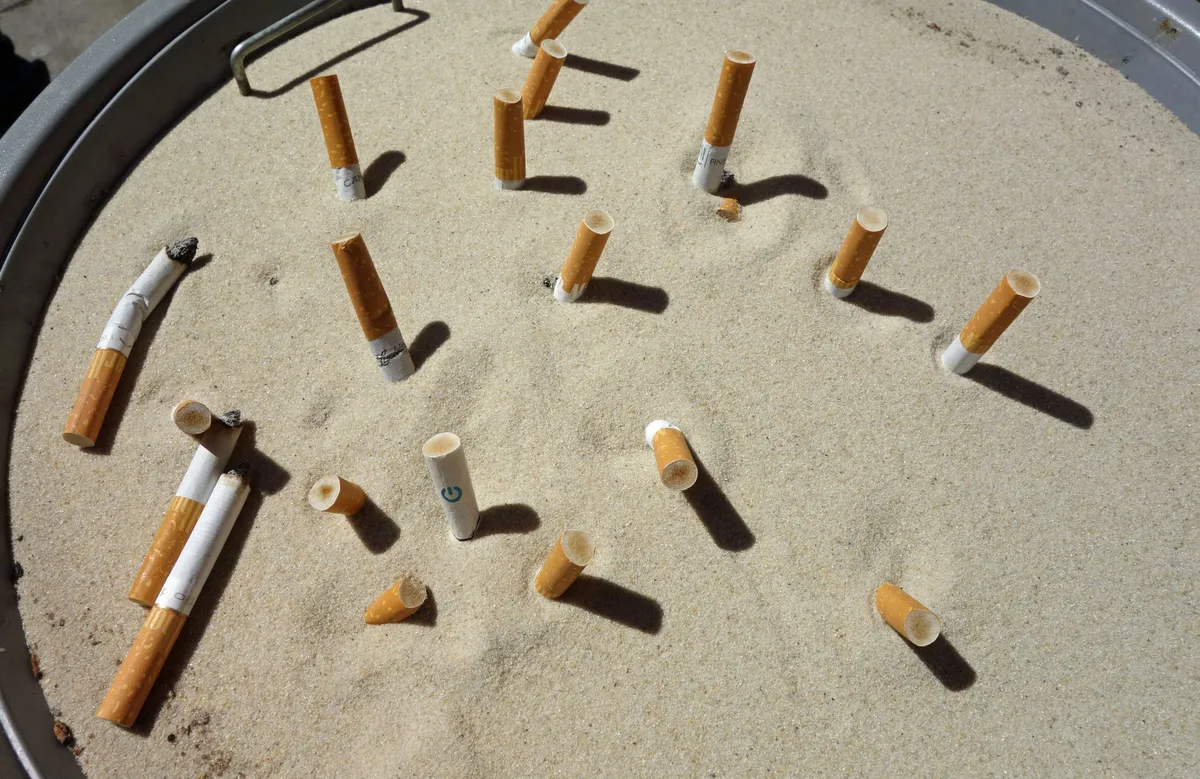
In a significant legal move, Denver has filed a lawsuit against Philip Morris and other tobacco companies, aiming to hold them accountable for the environmental damage caused by discarded cigarette butts. This case highlights the persistent issue of cigarette litter and its impact on public resources.
Related articles




Popular in Personal Injury
- Hawaii Supreme Court Overturns 36-Year-Old Rape Conviction Due to Forensic Flaws
- The Impact of Pro Bono Work by BigLaw Firms in 2025
- Albertsons Faces Trial Over Role in Washington's Opioid Crisis
- The Hidden Dangers of Open Manholes in New York City
- Historic $81 Million Verdict in Utah Pedestrian Wrongful Death Case