Tragic Illinois Boating Accident Sparks Wrongful Death Lawsuit
A wrongful death lawsuit has been filed after a fatal boating accident in Illinois, alleging reckless operation and alcohol involvement. The case underscores the need for accountability in boating safety.
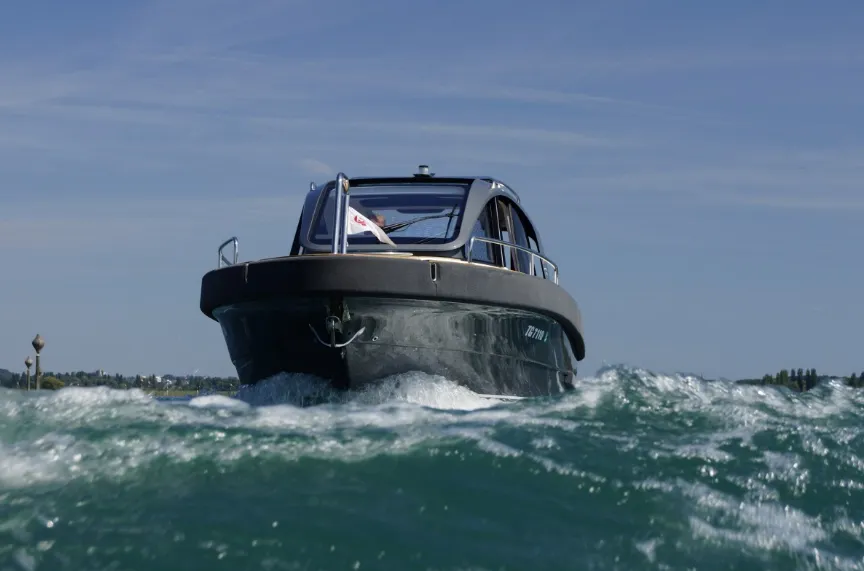
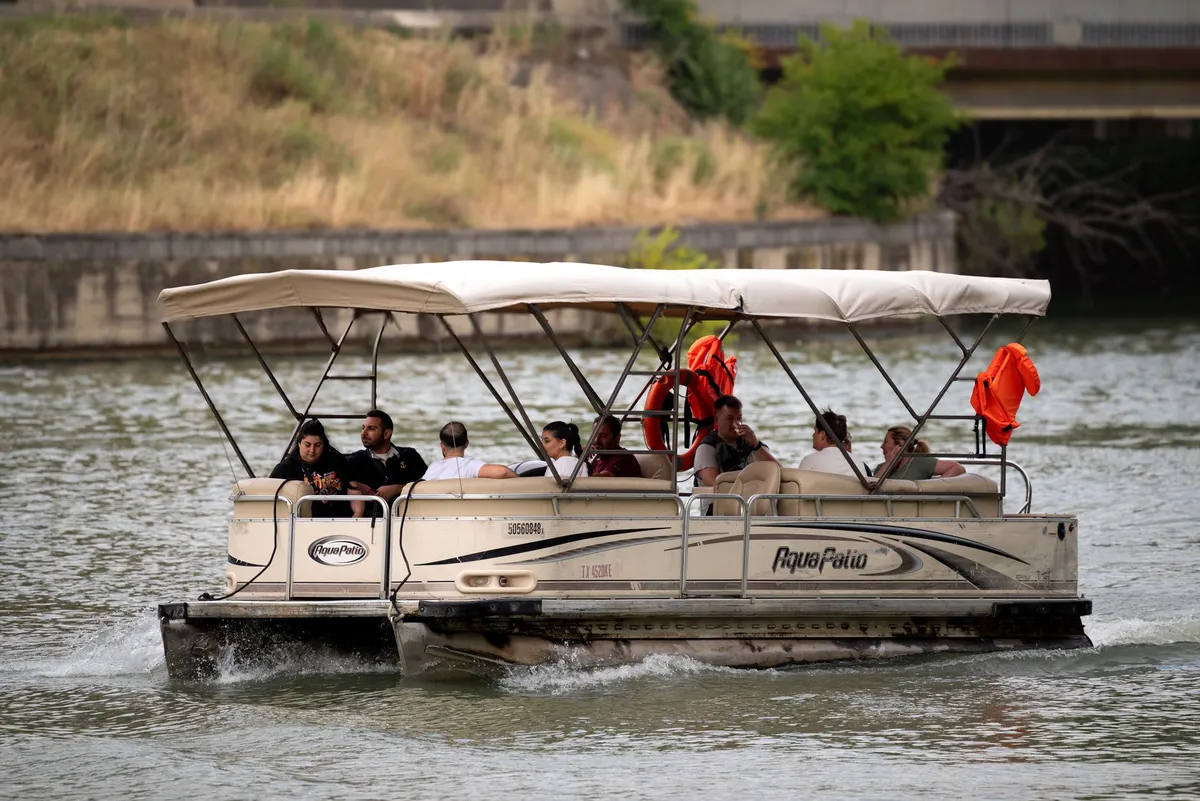
The serene waters of the Fox River turned into a scene of unimaginable tragedy when a boating accident claimed the life of 34-year-old Magdalena Jablonska, a former U.S. Marine. The incident has led to a wrongful death lawsuit against 45-year-old Ronald M. Stevenson, who is accused of operating his pontoon boat recklessly while under the influence of alcohol. The lawsuit, filed recently, paints a harrowing picture of events, detailing how Stevenson’s high-speed vessel collided with Jablonska’s smaller boat, resulting in catastrophic injuries.
As boating season often brings joy and relaxation, incidents like this starkly remind us of the dangers present on the water, particularly when alcohol and reckless behavior are involved. The lawsuit seeks at least $50,000 in damages, not only for the loss of Jablonska but also for the physical and emotional trauma endured by her fiancé, Alan Telmni, who witnessed the horrifying event unfold before his eyes.
The Incident: A Reckless Voyage
According to the lawsuit, Stevenson was operating his 31-foot “tritoon” boat at an alarming speed of approximately 63 knots (75 miles per hour) when he crashed into the rear of Telmni’s boat. The impact was devastating, with reports indicating that the boat “literally flew over the top” of Telmni’s vessel. This catastrophic collision resulted in what can only be described as a gruesome injury: Jablonska suffered a decapitation due to contact with the outboard sterndrives, pontoon tubes, or attached propellers.
This horrifying account emphasizes not only the physical dangers of high-speed boating but also the emotional toll such accidents can take on those who witness them. Telmni, who was present during the fatal incident, is now grappling with severe physical injuries and ongoing mental distress.
Legal Implications of the Lawsuit
The wrongful death lawsuit is targeting not just Stevenson but also the broader implications of accountability in boating safety. It raises critical questions about the responsibilities of boat operators and the potential negligence of those who may have contributed to the circumstances leading to the accident. The fact that Stevenson has a history of reckless driving, with prior charges for similar offenses, casts a long shadow over his judgment and the actions that led to this tragedy.
Charges Against Stevenson
Stevenson faces multiple charges, including driving under the influence (DUI) and reckless homicide. His blood alcohol level was reportedly more than twice the legal limit at the time of the accident. The legal repercussions of these charges could be significant, not only for Stevenson but also in shaping future boating regulations and public attitudes towards alcohol consumption on the water.
The Role of Legal Representation
Mike Krauss, the attorney representing Jablonska’s estate, emphasizes the importance of holding all responsible parties accountable. “Our job is to find true justice,” Krauss states, indicating that the lawsuit aims to address not only Stevenson’s actions but also anyone who may have influenced the environment or circumstances leading to this accident. This aspect of the lawsuit introduces the concept of vicarious liability, where other parties might share responsibility based on their actions or negligence.
Understanding Wrongful Death Claims
In the context of this tragic incident, it is vital to understand what constitutes a wrongful death claim. These legal actions are typically pursued when a person dies due to the negligence or misconduct of another party. In this case, the plaintiffs will need to establish several key elements:
- Duty of Care: Establishing that the defendant owed a duty of care to the victim.
- Breach of Duty: Demonstrating that the defendant breached this duty through reckless or negligent behavior.
- Causation: Proving that the breach directly caused the victim's death.
- Damages: Showing that the surviving family members suffered damages as a result of the loss.
The emotional and financial repercussions of wrongful deaths can be profound, impacting families in ways that extend far beyond the immediate loss. Damages sought in such lawsuits can encompass funeral expenses, lost income, and compensation for emotional suffering.

Broader Context: Boating Safety and Regulations
The tragic accident raises broader concerns about boating safety, especially regarding alcohol consumption and reckless operation. Authorities and advocates for safe boating have long campaigned for stricter regulations and awareness campaigns aimed at reducing accidents on the water. In the United States, alcohol is a leading factor in boating accidents. According to the U.S. Coast Guard, nearly one-fifth of all boating fatalities involve alcohol use.
In response, many states have implemented legal limits for blood alcohol concentration (BAC) for boat operators, similar to those for automobile drivers. However, enforcement can be challenging, particularly on large bodies of water where numerous operators may be present.
Preventive Measures and Community Responsibility
Communities and local governments bear a responsibility to foster safe boating environments. This can be achieved through:
- Implementing educational programs about boating safety and the dangers of alcohol consumption.
- Encouraging the use of life jackets and safety equipment.
- Enhancing law enforcement presence on popular waterways, especially during holiday weekends and peak boating seasons.
By fostering a culture of safety and accountability, the hope is to prevent future tragedies like the one that claimed Jablonska’s life.
Key Takeaways
- The lawsuit is a response to a tragic boating accident that resulted in the death of a former U.S. Marine.
- Stevenson faces charges of DUI and reckless homicide, with a history of similar offenses.
- Wrongful death claims require proof of duty, breach, causation, and damages.
- The incident highlights the need for better boating safety regulations and community awareness.
- Legal representation plays a critical role in ensuring accountability for preventable tragedies.
Frequently Asked Questions
What is a wrongful death lawsuit?
A wrongful death lawsuit is a legal claim filed by the survivors of a deceased individual against a party whose negligence or misconduct led to the victim's death. The goal is to seek compensation for losses resulting from the death, such as medical expenses, lost wages, and emotional suffering.
What are the typical damages sought in wrongful death cases?
Damages in wrongful death cases can vary widely but typically include funeral and burial costs, lost income, loss of companionship, and mental anguish experienced by surviving family members. The specific amount sought depends on the circumstances of the case and the financial impact on the survivors.
How does alcohol consumption affect boating safety?
Alcohol consumption significantly impairs judgment, coordination, and reaction times, which are crucial for safe boating. Studies show that boating under the influence is a leading cause of accidents and fatalities on the water. Legal limits for alcohol consumption while boating aim to reduce these risks, similar to regulations for driving a vehicle.
What can communities do to promote boating safety?
Communities can promote boating safety through educational initiatives that inform boaters about the risks associated with alcohol use, the importance of life jackets, and proper boating practices. Improved law enforcement and community events focused on safety can also help raise awareness and reduce accidents.
Disclaimer: This article is for informational purposes only and does not constitute legal advice.
Comments
Denver Takes Legal Action Against Tobacco Giants Over Cigarette Litter
In a significant legal move, Denver has filed a lawsuit against Philip Morris and other tobacco companies, aiming to hold them accountable for the environmental damage caused by discarded cigarette butts. This case highlights the persistent issue of cigarette litter and its impact on public resources.

Related articles



Popular in Personal Injury
- Hawaii Supreme Court Overturns 36-Year-Old Rape Conviction Due to Forensic Flaws
- The Impact of Pro Bono Work by BigLaw Firms in 2025
- Albertsons Faces Trial Over Role in Washington's Opioid Crisis
- The Hidden Dangers of Open Manholes in New York City
- Historic $81 Million Verdict in Utah Pedestrian Wrongful Death Case