Deaf Inmate Challenges Illinois Prison's Communication Barriers
Daniel Valenzuela, a Deaf inmate in Illinois, files a federal lawsuit against the state prison system for denying him equal access to its telephone program. This case highlights the broader issue of accessibility for individuals with disabilities in correctional facilities.

Incarceration is a challenging experience for anyone, but for individuals with disabilities, the challenges can be exponentially greater. Daniel Valenzuela, a Deaf man currently incarcerated in the Illinois Department of Corrections (IDOC), has taken a stand against a system that he argues systematically excludes him and others like him from essential communication. His recent federal lawsuit highlights not only his personal struggles but also a broader issue of accessibility and equality within the correctional system.
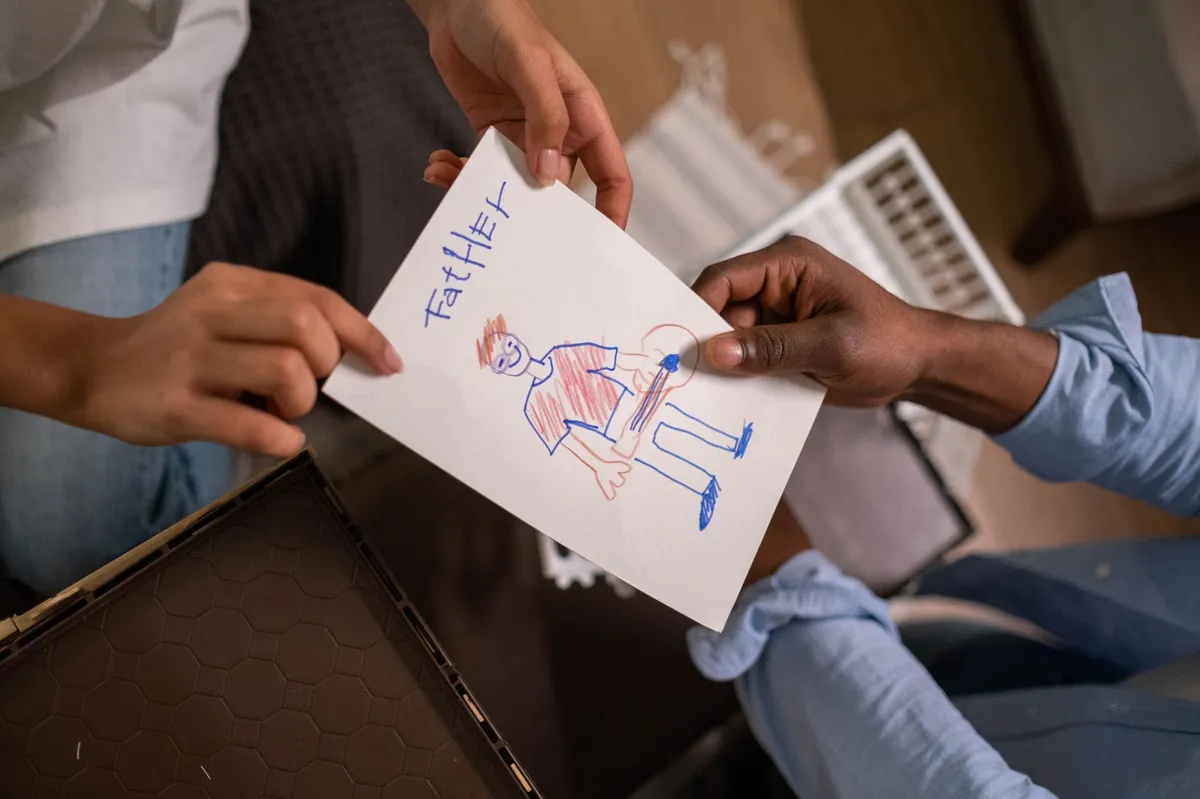
Valenzuela, who communicates primarily in American Sign Language (ASL), has expressed deep frustration over his inability to connect with his loved ones due to what he calls discriminatory practices within IDOC's expanded telephone program. "I have six kids, four grandkids, and one of my sons is in the military. I cherish and love my family so much. I just want to tell them happy birthday and I am so grieved when I can’t call because I don’t want them to think I forgot," he stated. The emotional toll of being cut off from family is profound, particularly during significant events like holidays and birthdays, which many inmates and their families look forward to.
Understanding the Legal Framework
At the heart of Valenzuela's lawsuit are allegations that IDOC is violating the Americans with Disabilities Act (ADA) and Section 504 of the Rehabilitation Act of 1973. These laws mandate that public entities must provide equal access and effective communication for individuals with disabilities. The complaint argues that while IDOC has made strides to modernize its telecommunications system by introducing tablet devices, it has failed to consider the specific communication needs of Deaf inmates.
Section 504 specifically prohibits discrimination against individuals with disabilities in programs receiving federal financial assistance. This includes state prison systems. Valenzuela’s legal representation, which includes Disability Rights Advocates and Equip for Equality, contends that IDOC’s practices not only limit access to communication but also violate the rights of Deaf individuals to maintain familial relationships, which is crucial for emotional well-being and rehabilitation.
The Impact of Restrictive Communication Policies
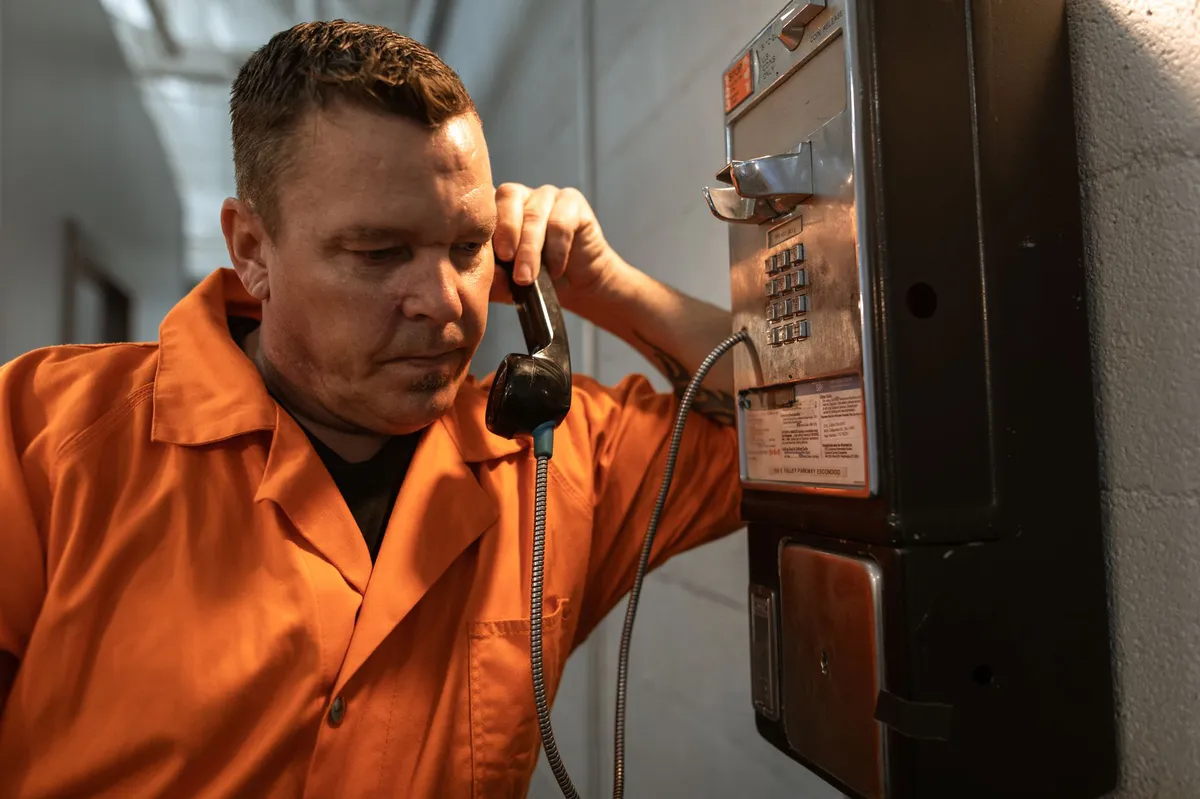
The IDOC expanded its telecommunications program in 2025, providing inmates with tablets that can facilitate multiple phone calls throughout the day. However, the program is not equally accessible to Deaf individuals. Valenzuela's predicament underscores the limitations imposed on him and others: while hearing inmates can freely communicate from their cells, Deaf inmates are restricted to using videophones, a technology that relies on visual communication. Unfortunately, IDOC has disabled the videophone feature on these tablets, effectively denying Deaf inmates the ability to communicate in ASL.
The consequences of this policy are stark. Valenzuela and his peers are subjected to a restricted call schedule, often only able to make calls during limited hours and when staff are available to facilitate the use of videophones. This is in sharp contrast to the unrestricted access that their hearing counterparts enjoy. In fact, the complaint highlights that between November 2025 and January 2026, the videophones were out of service for 54 consecutive days, including major holidays such as Thanksgiving and Christmas, leaving inmates like Valenzuela unable to connect with their families during significant times.
The Importance of Maintaining Family Connections
The ability to communicate with family members while incarcerated is not merely a convenience; it is essential for mental health and rehabilitation. Studies have shown that regular communication with family can lead to better outcomes for inmates, including lower recidivism rates and improved emotional stability. The lack of access to communication can exacerbate feelings of isolation and depression, which are already prevalent among incarcerated individuals.
Legal experts and advocates stress that the IDOC had a responsibility to ensure that all inmates, regardless of their disabilities, could benefit from the expanded telecommunications program. Rachel M. Weisberg, a Directing Attorney at Disability Rights Advocates, emphasized that the ADA and Section 504 require public entities to provide effective communication and equal access to programs. She stated, "New technology cannot become another barrier for people with disabilities."
Broader Implications for Disability Rights in Prisons
Valenzuela’s case is not an isolated incident; it reflects a systemic issue within correctional facilities across the United States regarding the treatment of inmates with disabilities. Historically, prisons have struggled to meet the needs of individuals with varying disabilities, from mobility impairments to cognitive challenges. The failure to provide adequate communication tools for Deaf inmates is a glaring example of this ongoing issue.
Advocates for disability rights argue that this case could set a precedent for how correctional facilities address the needs of Deaf individuals and other disabled inmates. If the court rules in favor of Valenzuela, it could compel IDOC and other prison systems nationwide to reassess and modify their communication policies to ensure compliance with federal disability laws. This could lead to the implementation of more inclusive technologies and practices that recognize the rights of all inmates.
Key Takeaways
- Valenzuela's Lawsuit: Daniel Valenzuela challenges IDOC’s failure to provide equal access to telephone communication for Deaf individuals.
- Legal Basis: The lawsuit cites violations of the ADA and Section 504 of the Rehabilitation Act.
- Importance of Communication: Regular contact with family is crucial for the mental health and rehabilitation of incarcerated individuals.
- Potential Impact: This case could influence correctional policies nationwide regarding the treatment of disabled inmates.
- Advocacy Efforts: Organizations like Disability Rights Advocates are working to ensure equal rights for individuals with disabilities across various sectors.
Frequently Asked Questions
What is the Americans with Disabilities Act (ADA)?
The Americans with Disabilities Act (ADA) is a civil rights law enacted in 1990 that prohibits discrimination against individuals with disabilities in all areas of public life, including jobs, schools, transportation, and public accommodations. The ADA ensures that people with disabilities have the same rights and opportunities as everyone else, aiming to eliminate barriers to their full participation in society.
What are the implications of this lawsuit for other correctional facilities?
If Daniel Valenzuela prevails in his lawsuit, it could lead to significant changes not just in Illinois but across the country. Correctional facilities may be compelled to adopt policies that ensure equal access to communication technologies for all inmates, regardless of their disabilities. This could also inspire similar legal challenges in other jurisdictions, prompting a reevaluation of how prisons accommodate the needs of disabled individuals.
How can individuals get involved in advocating for disability rights?
Individuals can advocate for disability rights by supporting organizations that work on behalf of disabled individuals, volunteering, or participating in awareness campaigns. Additionally, educating oneself and others about disability issues and the challenges faced by those with disabilities can foster a more inclusive society. Engaging with local advocacy groups and attending public meetings can also amplify voices in the fight for equality.
What resources are available for Deaf inmates in correctional facilities?
Resources for Deaf inmates can vary widely by facility, but some prisons may offer access to sign language interpreters, videophones, or other assistive communication devices. Advocacy organizations often provide support and resources aimed at ensuring that Deaf individuals in the criminal justice system receive the accommodations they need. It is crucial for inmates or their families to reach out to advocacy groups to learn about available resources and how to navigate the system effectively.
This article is for informational purposes only and does not constitute legal advice.
Comments
Columbus Man Sentenced to 27 Years for Child Exploitation Crimes
Andrew Wade Case has been sentenced to 27 years in federal prison for sexually exploiting a child in his care and distributing child sexual abuse material. This case highlights the critical role of law enforcement in combating child exploitation.

Related articles



Popular in Personal Injury
- Hawaii Supreme Court Overturns 36-Year-Old Rape Conviction Due to Forensic Flaws
- The Impact of Pro Bono Work by BigLaw Firms in 2025
- Albertsons Faces Trial Over Role in Washington's Opioid Crisis
- The Hidden Dangers of Open Manholes in New York City
- Historic $81 Million Verdict in Utah Pedestrian Wrongful Death Case