Border Patrol Shooting: A Venezuelan Man's Struggle for Justice and Safety
Luis Niño-Moncada, a Venezuelan man shot by Border Patrol agents in Portland, faces deportation after serving time for aggravated assault. His story sheds light on immigration, law enforcement practices, and the challenges faced by individuals seeking refuge in the U.S.
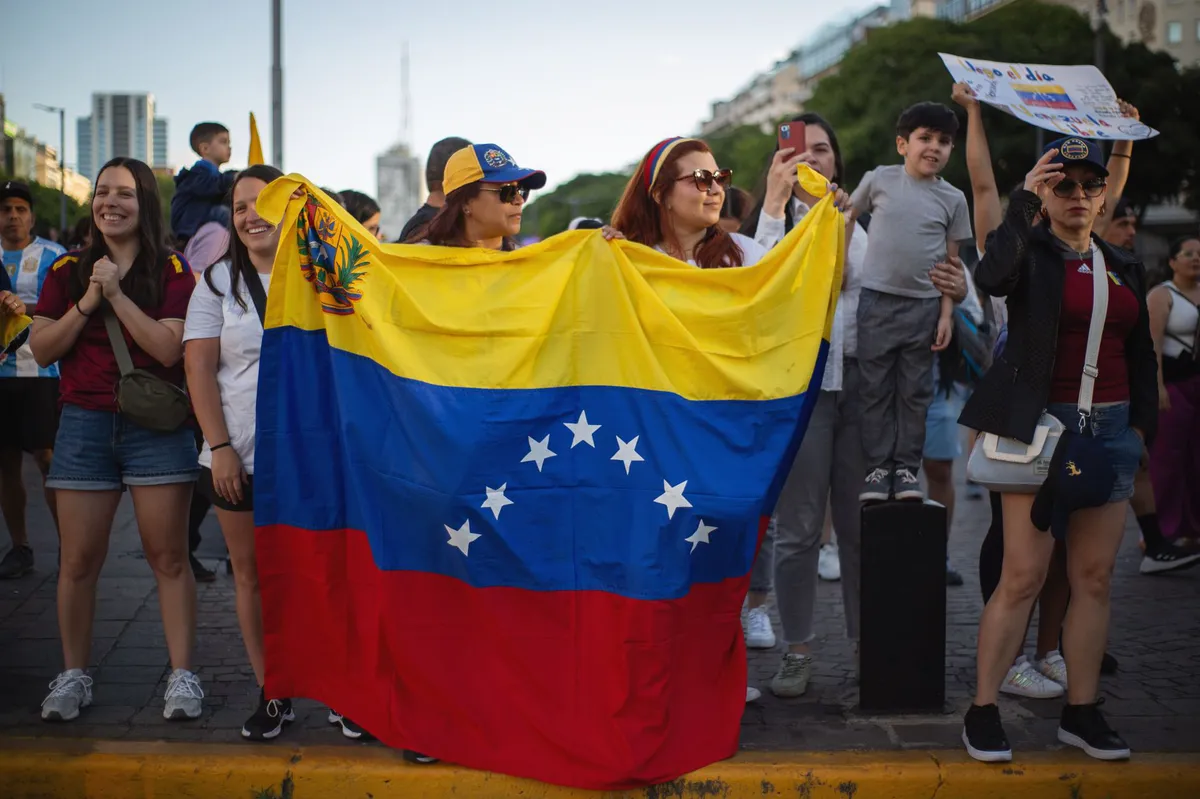
The case of Luis Niño-Moncada has brought to light significant issues surrounding immigration enforcement, law enforcement practices, and the profound impact of violence on vulnerable communities. Niño-Moncada, a Venezuelan national, was involved in a harrowing incident with U.S. Border Patrol agents in Portland, Oregon, that resulted in gunfire and serious legal ramifications. After spending nine months in custody, he was sentenced to time served and will face deportation, marking a poignant chapter in a life already marked by trauma and fear.
On January 8, 2023, Niño-Moncada was approached by Border Patrol agents while parked at a medical facility. The agents were reportedly surveilling his passenger, Yorlenys Betzabeth Zambrano-Contreras, who was suspected of involvement in a shooting. In a panic, Niño-Moncada attempted to flee, leading to a chaotic confrontation that ended with him being shot and Zambrano-Contreras also sustaining gunshot wounds. This incident not only raises pressing questions about the use of force by law enforcement but also underscores the precariousness of immigrant lives amid rising tensions surrounding immigration policy.
Understanding the Incident: A Turning Point for Immigrant Rights
The altercation began when agents, using unmarked vehicles and not in standard uniform, approached Niño-Moncada's truck. The lack of clear identification turned the situation dangerous, as Niño-Moncada later expressed that he thought he was being confronted by gangsters. This misunderstanding speaks to a larger issue of how immigrants perceive law enforcement, especially in contexts where they may already feel threatened due to their immigration status.
In the ensuing chaos, Niño-Moncada's attempt to reverse the truck resulted in damage to a Border Patrol vehicle and injuries to an officer. The situation escalated quickly, leading to gunfire that left both Niño-Moncada and Zambrano-Contreras injured. The fact that this incident occurred just a day after another fatal shooting by an immigration officer in Minneapolis adds an unsettling layer to the narrative, highlighting the potential dangers involved when immigration enforcement operations intersect with public safety.

Legal Consequences: Charges, Sentencing, and Deportation
In the aftermath of the shooting, Niño-Moncada faced serious charges from the federal government, including aggravated assault on a federal employee and depredation of federal property. However, the assault charge was ultimately dropped, and he changed his plea to guilty in late July 2023. This plea deal resulted in a sentence of time served, which amounted to approximately eight and a half months in jail—an experience that his attorney, Michael Benson, described as unprecedented and harsh.
As part of his sentence, Niño-Moncada was ordered to pay restitution of $24,413 for the damages incurred to the Border Patrol vehicle, which was declared a total loss. This financial burden adds another layer of complexity to his already precarious situation, as he now faces deportation back to Venezuela—an outcome that is particularly alarming given his history of political violence and persecution in his home country.
Key Legal Considerations:- Aggravated Assault: Defined as an attack intended to cause serious bodily harm, often involving a weapon.
- Restitution: A court-ordered payment to compensate for damages caused by criminal actions.
- Deportation: The legal process of removing a non-citizen from the U.S. for violating immigration laws or committing a crime.
The Human Element: Trauma and Resilience
During his sentencing, Niño-Moncada expressed heartfelt sentiments about his experience in the U.S. and the impact of the incident on his life. He conveyed his love for the country and its people while also sharing the fear and trauma he has endured since the altercation. His emotional testimony highlights not only the individual struggles faced by immigrants but also the systemic challenges within the U.S. immigration and law enforcement systems.
U.S. District Judge Karin Immergut acknowledged the fear experienced by both Niño-Moncada and law enforcement during the incident, pointing to a shared vulnerability in a situation that escalated quickly. This recognition underscores the need for nuanced discussions about how law enforcement operates in immigrant communities and how policies can be reformed to prevent such incidents from occurring in the future.

The Broader Implications: Immigration Policy and Law Enforcement
The case of Luis Niño-Moncada serves as a microcosm of the broader issues surrounding immigration policy in the United States. His journey began with fleeing political violence in Venezuela, where he faced severe repercussions for opposing the Maduro regime. His struggles mirror the experiences of countless other immigrants who come to the U.S. seeking safety and a better life, only to find themselves ensnared in a complex and often hostile legal system.
Niño-Moncada's initial entry into the U.S. was under a temporary status allowing him to work, but his decision to skip a scheduled immigration hearing—a choice influenced by fears of ICE operations—ultimately led to his detention and the subsequent violent altercation. This situation raises critical questions about the effectiveness of current immigration policies and the safety of individuals navigating the system.
Key Takeaways from the Case:- Increased scrutiny of law enforcement's use of force in immigrant encounters.
- The psychological toll of violence and trauma on immigrant populations.
- The importance of reforming immigration policies to prioritize safety and justice.
Frequently Asked Questions
What were the charges against Luis Niño-Moncada, and what was the outcome?
Initially charged with aggravated assault on a federal employee and depredation of federal property, Luis Niño-Moncada saw the assault charge dropped and ultimately pled guilty to the remaining charges. He was sentenced to time served after spending approximately eight and a half months in custody and was ordered to pay restitution for damages to a Border Patrol vehicle.
What does Niño-Moncada's case reveal about law enforcement practices?
This case highlights significant concerns about the practices of law enforcement, particularly regarding the use of unmarked vehicles and lack of visible identification during operations targeting immigrants. Such practices can lead to confusion and escalate situations unnecessarily, posing risks to both officers and the individuals involved. The case emphasizes the need for transparency and accountability in law enforcement interactions with immigrant communities.
How does this case relate to broader immigration issues in the U.S.?
Niño-Moncada's story is emblematic of the challenges faced by many immigrants in the U.S., particularly those fleeing violence and persecution. It underscores the complexities of navigating the immigration system and the potential for tragic outcomes when individuals are confronted by law enforcement. This situation calls for a reevaluation of policies to ensure that the rights and safety of immigrants are protected while still addressing public safety concerns.
What can be done to improve the safety of immigrants in the U.S.?
Improving safety for immigrants requires comprehensive reform of immigration policies and law enforcement practices. This includes ensuring that law enforcement officers are properly trained to handle situations involving immigrants sensitively, enhancing community engagement to build trust, and implementing policies that prioritize the safety and well-being of vulnerable populations. Advocacy for humane immigration reform is essential to prevent tragedies like that experienced by Niño-Moncada.
Comments
Columbus Man Sentenced to 27 Years for Child Exploitation Crimes
Andrew Wade Case has been sentenced to 27 years in federal prison for sexually exploiting a child in his care and distributing child sexual abuse material. This case highlights the critical role of law enforcement in combating child exploitation.

Related articles



Popular in Personal Injury
- Hawaii Supreme Court Overturns 36-Year-Old Rape Conviction Due to Forensic Flaws
- The Impact of Pro Bono Work by BigLaw Firms in 2025
- Albertsons Faces Trial Over Role in Washington's Opioid Crisis
- The Hidden Dangers of Open Manholes in New York City
- Historic $81 Million Verdict in Utah Pedestrian Wrongful Death Case