Ninth Circuit Ruling Challenges Kalshi's Prediction Market Operations
The Ninth Circuit Court has ruled against Kalshi, a prediction market platform, regarding its operations related to sports betting on tribal lands in California. This ruling highlights the complex interaction between state laws, tribal sovereignty, and online gambling.
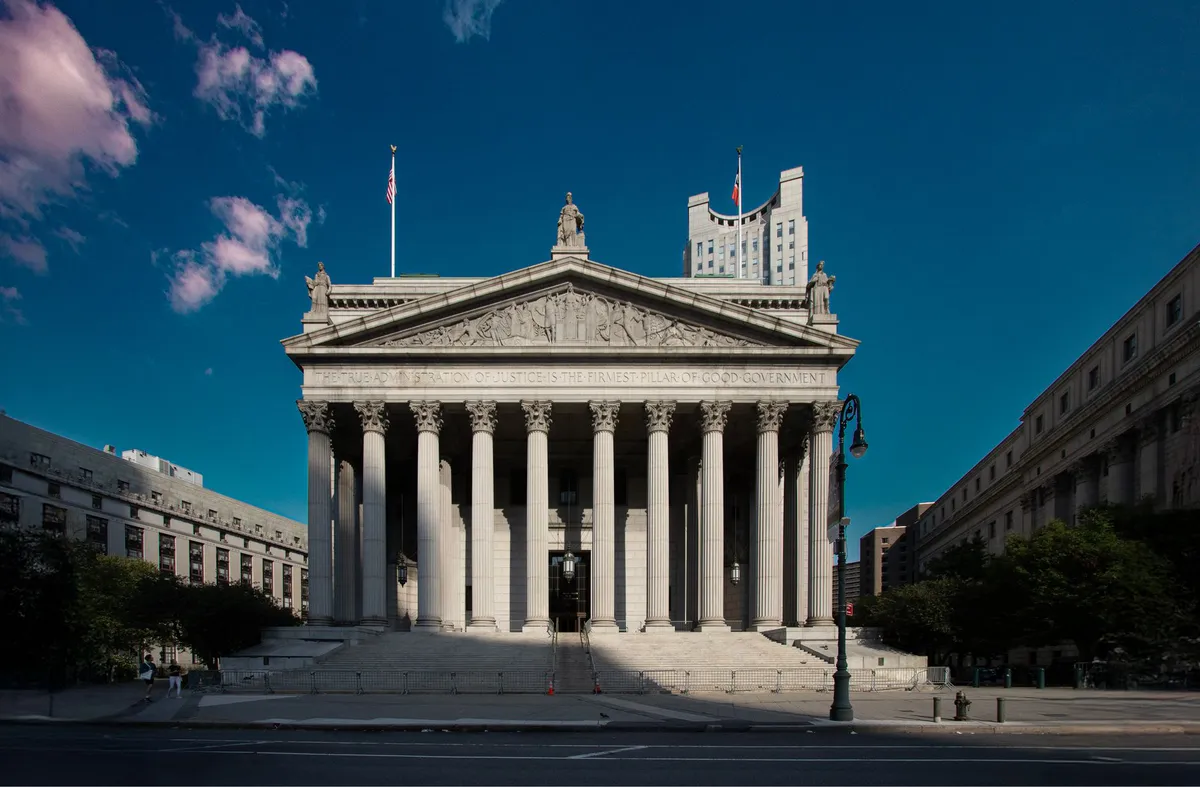
The recent ruling by the Ninth Circuit Court of Appeals has delivered a significant blow to Kalshi, a prediction market platform that allows users to wager on various events, including sports. This decision underscores the complexities of state and tribal sovereignty in the context of online gambling, particularly in California, where sports betting remains illegal outside of Native American casinos. As the landscape of gambling evolves with technology, the implications of this ruling may shape the future of prediction markets and their operations across the United States.
Kalshi, which bills itself as a platform for trading on event outcomes, has attracted attention for its innovative approach to betting. The platform allows users to engage in what it terms "event contracts" — a creative terminology that Kalshi argues provides a legal loophole for its operations. However, the Ninth Circuit's unanimous opinion suggests that such semantic gymnastics do not change the fundamental nature of the bets being placed. This ruling not only impacts Kalshi but also reverberates through the broader prediction market industry, which may face similar scrutiny.
Understanding the Legal Landscape of Prediction Markets
Prediction markets like Kalshi enable users to bet on a wide array of outcomes, from sports events to political elections. While they operate under the guise of event contracts, their functionality closely resembles traditional betting platforms. The central issue at stake is whether these event contracts qualify as gaming under California law, particularly when they are executed on tribal lands.
Tribal Sovereignty and Gaming Rights
Tribal sovereignty is a critical aspect of this case. Native American tribes have exclusive rights to manage gambling operations on their lands, a privilege established through federal law and treaties. The two tribes involved in the lawsuit, Blue Lake Rancheria and Chicken Ranch Rancheria of Me-Wuk Indians, argue that Kalshi's operations infringe upon their rights to govern sports betting within their territories. This claim is particularly poignant given the financial stakes involved; tribal gaming revenues are often crucial for funding essential services and economic development within these communities.
The Ruling's Implications
In the Ninth Circuit's ruling, Judge M. Margaret McKeown articulated a clear analogy: a user at a Native American casino could place a bet on Kalshi or a traditional platform like DraftKings, and the essential characteristics of the wager remain unchanged. The court concluded that Kalshi's event contracts fall under the definition of class III gaming as outlined in the Indian Gaming Regulatory Act (IGRA). This classification mandates that such gaming be conducted on tribal lands and under the oversight of the tribes themselves.

The Reactions and Consequences
The reaction to the Ninth Circuit's ruling has been mixed. Les Marsten, the attorney representing the tribes, hailed the decision as a victory for tribal governance and an affirmation of their rights. He criticized Kalshi and its partner Robinhood for exploiting a legal gray area to profit at the expense of tribal communities. Marsten's remarks underscore the moral dimension of the issue, as he describes the companies as prioritizing profit over ethical considerations.
Kalshi's Legal Defense
On the other hand, Kalshi's legal team, including attorney Joshua Sterling, has refrained from commenting on the ruling, although they may seek to appeal. The company faces a challenging landscape ahead, especially with the possibility of escalating to the U.S. Supreme Court. The outcome of such a case could set a significant precedent for how prediction markets are regulated and their interaction with state and tribal laws.
The Broader Context of Online Gambling
This ruling takes place against the backdrop of a rapidly evolving online gambling industry. While sports betting has gained traction across the United States, with 38 states legalizing it in some form, California remains a notable exception. The state's complex legal framework regarding gambling, especially concerning tribal lands, creates a unique battleground for companies like Kalshi.
Geofencing and Corporate Responsibility
One of the points raised during the legal discussions was the potential for Kalshi and similar companies to implement geofencing technology. This technology could restrict access to betting platforms from within tribal lands, thereby respecting the tribes' exclusive rights. Marsten pointed out that for a company as financially robust as Kalshi, which is valued at approximately $44 billion, such measures would be a minimal investment compared to the revenues generated from their operations.

Calls for Regulatory Action
In the wake of the ruling, Marsten has urged California's Attorney General Rob Bonta to take decisive action against Kalshi and similar platforms. He argues that these companies are targeting vulnerable populations, particularly young males, with unregulated gambling options that lack the safeguards that tribal casinos provide, such as addiction prevention programs. The call for regulatory oversight highlights a growing concern about the impact of unregulated online gambling on public health and community welfare.
The Future of Prediction Markets
The future of prediction markets like Kalshi remains uncertain. As the landscape evolves and more states consider legalizing sports betting, the role of federal oversight versus state and tribal authority will be hotly contested. The recent ruling by the Ninth Circuit may serve as a turning point, prompting companies to reevaluate their operational frameworks and compliance strategies in states with complex gambling laws.

Key Takeaways
- The Ninth Circuit ruled that Kalshi's prediction market operations likely violate California law regarding sports betting on tribal lands.
- Tribal sovereignty plays a crucial role in the regulation of gambling, with tribes holding exclusive rights to manage sports betting on their territories.
- Kalshi's event contracts were deemed to fall under class III gaming, necessitating compliance with tribal gaming regulations.
- Calls for regulatory action highlight concerns about unregulated online gambling targeting vulnerable populations.
- The outcome of this case could set significant precedents for the future of prediction markets and their regulation.
Frequently Asked Questions
What are prediction markets, and how do they work?
Prediction markets are platforms that allow users to bet on the outcome of future events, ranging from sports competitions to political elections. Users can buy and sell contracts based on their predictions, and these markets operate on the principle of collective intelligence, where the prices of contracts reflect the probability of outcomes as perceived by the participants. Unlike traditional betting, prediction markets often utilize innovative terminology to describe their wagers, such as "event contracts," which can sometimes lead to legal ambiguities.
What is the significance of tribal sovereignty in this context?
Tribal sovereignty refers to the inherent authority of Native American tribes to govern themselves within their territories. This legal principle is crucial in the context of gambling, as tribes have exclusive rights to conduct gaming operations on their lands under federal law. The Ninth Circuit's ruling emphasizes the importance of this sovereignty, reinforcing that companies like Kalshi must respect tribal regulations when engaging in activities that could be classified as gaming.
What are the potential consequences of the Ninth Circuit's ruling for Kalshi?
The Ninth Circuit's ruling could lead to significant operational changes for Kalshi, as the company may need to adjust its business model to comply with tribal gaming laws. This could include implementing geofencing to restrict access to its platform from tribal lands. Additionally, the ruling may prompt Kalshi to reconsider its advertising strategies, as misleading statements about the legality of its services could lead to further legal challenges.
How does this ruling affect the broader online gambling landscape?
This ruling serves as a critical reminder of the complexities surrounding the regulation of online gambling, particularly in states with established tribal gaming laws. As more states legalize sports betting, the interaction between state regulations, tribal sovereignty, and federal oversight will become increasingly important. The outcome of this case could set precedents that influence how other prediction market platforms operate across the country, particularly in relation to tribal lands.
This article is for informational purposes only and does not constitute legal advice.
Comments
Columbus Man Sentenced to 27 Years for Child Exploitation Crimes
Andrew Wade Case has been sentenced to 27 years in federal prison for sexually exploiting a child in his care and distributing child sexual abuse material. This case highlights the critical role of law enforcement in combating child exploitation.

Related articles




Popular in Personal Injury
- Hawaii Supreme Court Overturns 36-Year-Old Rape Conviction Due to Forensic Flaws
- The Impact of Pro Bono Work by BigLaw Firms in 2025
- Albertsons Faces Trial Over Role in Washington's Opioid Crisis
- The Hidden Dangers of Open Manholes in New York City
- Historic $81 Million Verdict in Utah Pedestrian Wrongful Death Case