Texas Supreme Court Faces Mass Shooting Lawsuit: What It Means for Victims
As victims of a tragic mass shooting at the Allen Premium Outlets fight for justice, the Texas Supreme Court grapples with the legal responsibilities of property owners. This case could set a significant precedent in the realm of liability for mass shootings.

The aftermath of a mass shooting can leave deep, lasting scars on families and communities, yet the legal landscape surrounding liability often remains murky. A recent case before the Texas Supreme Court has put this issue at the forefront, as victims of a horrifying shooting at the Allen Premium Outlets in Texas are pursuing a lawsuit against the mall's owners, Simon Property Group, the largest mall operator in the U.S. This case raises critical questions about the extent of property owners' responsibilities to protect against violent acts that occur on their premises.
In May 2023, a gunman opened fire at the open-air shopping center in Allen, resulting in the tragic deaths of eight people and injuring seven others. The perpetrator, Mauricio Martinez Garcia, reportedly espoused extremist views and was equipped with a tactical vest at the time of the attack. The victims and their families argue that the mall's owners failed in their duty to provide adequate security, given the size of the property and the known risks associated with mass shootings.
Understanding the Case Against Simon Property Group
The lawsuit filed in August 2024 underscores a pivotal legal battle over negligence and liability. The plaintiffs contend that the Allen Premium Outlets, covering 611,000 square feet, had only one unarmed security guard on duty during the shooting. This staffing decision, they argue, constitutes negligence and reflects a broader failure to protect patrons from foreseeable harm.
Byron Henry, the attorney representing the victims, emphasized to the Texas Supreme Court that Simon Property Group was aware of the heightened risk of such violent incidents. He pointed out that other properties operated by the company had previously experienced similar events, suggesting a pattern that should have prompted more robust security measures.

Simon Property Group's Defense: Legal Duty and Precedents
In stark contrast, the defense attorney for Simon Property Group, Monica Latin, urged the court to dismiss the lawsuit. She argued that Texas law has historically shielded property owners from liability for criminal acts committed by third parties on their premises. According to Latin, the Texas Supreme Court has long upheld the principle that property owners do not have a general duty to protect against such acts, a stance that could limit the scope of liability in this case.
This defense raises a crucial point about legal duty. Under Texas law, property owners are typically not held responsible for the criminal actions of individuals unless they can be proven to have anticipated such actions. The challenge faced by the plaintiffs is to demonstrate that Simon Property Group had a duty to foresee the risk of mass shootings and that they failed to take reasonable steps to mitigate that risk.
Unique Challenges of Mass Shootings in Legal Context
The case also invites a broader discussion about how mass shootings are legally categorized compared to other violent crimes. Justice Debra Lehrmann raised an important point, questioning whether mass shootings should be viewed through the same lens as other criminal acts. This distinction could have far-reaching implications for how the law treats property owners in similar cases moving forward.
The legal framework surrounding mass shootings is still evolving, and the societal implications of imposing heightened security measures on property owners are notable. Latin cautioned that requiring extensive security could lead to a burden on businesses, suggesting that such measures might deter shoppers and drive up costs. However, Justice Lehrmann countered that considering the emotional and physical toll of mass shootings might necessitate a reevaluation of what is deemed reasonable in terms of security precautions.

Previous Court Rulings and Their Impact
This case is not the first of its kind to challenge the legal responsibilities of property owners in the wake of mass shootings. In fact, previous lawsuits have often seen courts hesitant to impose broad duties on property owners to protect patrons from unforeseeable criminal acts. The trial court and a state appeals court already denied Simon Property Group's attempts to dismiss the negligence claims, suggesting that there is some recognition of the unique challenges posed by mass shootings.
The outcome of this case could set an important precedent for future lawsuits involving mass shootings. If the court rules in favor of the plaintiffs, it may signal a shift in the legal landscape, affirming that property owners have a heightened responsibility to protect their patrons from such violence. Conversely, a ruling in favor of Simon Property Group could reinforce the existing legal standards that protect property owners from liability in similar cases, potentially discouraging victims from seeking justice.
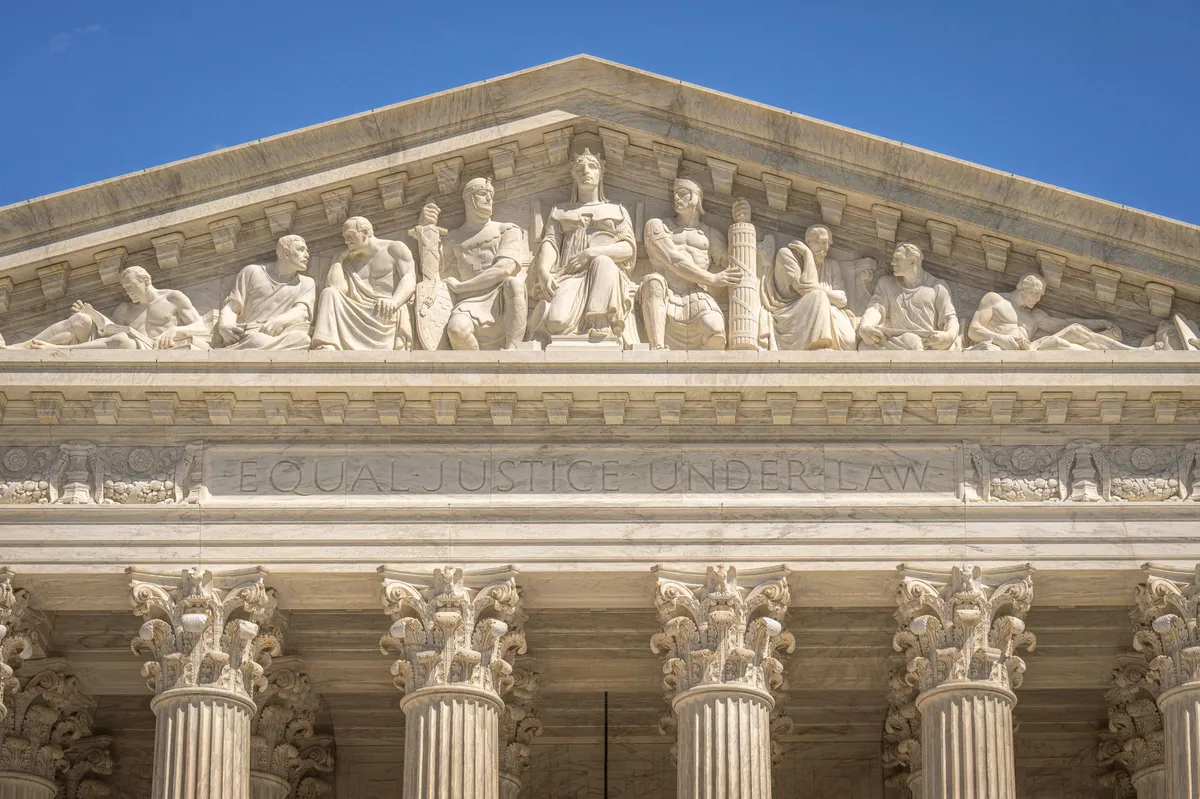
What This Means for Victims and Society
The implications of this case extend beyond the courtroom. For victims and their families, the pursuit of justice is often intertwined with the need for accountability and change. The desire for improved security measures in public spaces has gained momentum in light of increasing mass shootings across the United States. Victims advocate for a reassessment of how businesses approach security, pushing for more than just the bare minimum.
As society grapples with the reality of mass shootings, the outcomes of cases like this one may influence public opinion and legislative action regarding gun control, security protocols, and the responsibilities of property owners. Public spaces like malls, schools, and other gathering sites must consider the safety of their patrons, not just from a legal standpoint but also from a moral perspective.
Key Takeaways
- The lawsuit against Simon Property Group challenges the existing legal standards regarding property owner liability in mass shootings.
- Texas law traditionally limits property owner responsibilities for third-party criminal acts, complicating the plaintiffs' case.
- The ruling could set a significant precedent for future mass shooting cases and influence public safety policies.
- Victims and advocates are pushing for more robust security measures in public spaces.
Frequently Asked Questions
What are the legal grounds for the lawsuit against Simon Property Group?
The lawsuit is based on allegations of negligence, claiming that the mall's owners failed to provide adequate security measures to protect patrons from foreseeable harm. The plaintiffs argue that the minimal staffing of security personnel at such a large venue constitutes a breach of duty to ensure safety.
What has been the response from Simon Property Group regarding the lawsuit?
Simon Property Group has sought to dismiss the lawsuit, arguing that under Texas law, property owners do not have a general duty to protect against third-party criminal acts. They maintain that imposing such a duty could create unreasonable expectations for businesses regarding security measures.
How might this case influence future legal cases involving mass shootings?
The outcome of this case could establish precedents regarding the legal responsibilities of property owners in mass shooting incidents. A ruling favoring the plaintiffs might encourage more victims to pursue similar lawsuits and lead to increased scrutiny of security practices at public venues.
What can victims and their families expect moving forward?
As the case progresses through the legal system, victims and their families may face a lengthy and complex process. They should seek legal counsel to navigate the nuances of negligence claims and understand their rights. Additionally, advocacy efforts for stronger security measures in public spaces may gain momentum in light of this case.
This content is for informational purposes only and should not be construed as legal advice.
Comments
Columbus Man Sentenced to 27 Years for Child Exploitation Crimes
Andrew Wade Case has been sentenced to 27 years in federal prison for sexually exploiting a child in his care and distributing child sexual abuse material. This case highlights the critical role of law enforcement in combating child exploitation.

Related articles



Popular in Personal Injury
- Hawaii Supreme Court Overturns 36-Year-Old Rape Conviction Due to Forensic Flaws
- The Impact of Pro Bono Work by BigLaw Firms in 2025
- Albertsons Faces Trial Over Role in Washington's Opioid Crisis
- The Hidden Dangers of Open Manholes in New York City
- Historic $81 Million Verdict in Utah Pedestrian Wrongful Death Case