The American Dream: A Divided Perspective Among U.S. Latinos
A new Pew Research Center survey reveals a complex landscape of hope and skepticism regarding the American Dream among Latino adults. While many express optimism about their current living standards, a significant number feel that achieving the American Dream is increasingly difficult compared to previous generations.

The concept of the American Dream, a cornerstone of American identity, has historically represented the promise of prosperity and success through hard work and determination. However, a recent survey conducted by the Pew Research Center reveals a nuanced landscape among U.S. Latinos, illustrating a growing divide in perspectives regarding the attainability of this dream. While many Latino adults report improved living standards compared to their parents, a notable portion believes that the dream has become increasingly elusive, particularly for subsequent generations.
The survey results indicate that only 20% of Latino adults feel they have successfully achieved the American Dream, while 33% consider themselves to be on the path to achieving it. In contrast, a significant 18% assert that the dream is out of reach, and 27% claim it does not exist at all. This divergence in opinions paints a complex picture of aspiration and skepticism within the Latino community, inviting further exploration into the factors influencing these beliefs.

Understanding the Perception of the American Dream
The findings from the Pew Research Center underscore a critical shift in how Latinos perceive the American Dream compared to their parents' generation. Among those who still hold onto the notion of the dream, 43% believe it has become harder to achieve, while only 30% feel it is easier. This marks a significant change from a 2016 survey, where a more optimistic outlook prevailed. It is essential to consider the implications of this shift in sentiment and the factors contributing to it.
Economic Realities and Aspirations
Despite the skepticism regarding the dream's attainability, the survey reveals that 57% of Latinos believe their standard of living is better than that of their parents at the same age. This presents a paradox: while many individuals feel they are better off, they simultaneously perceive barriers to accessing the same opportunities that may have been available to their predecessors. Furthermore, looking ahead, 53% of respondents express hope that their children will achieve an even better standard of living, while only 14% are pessimistic about their children’s future.

The Role of Immigration in Shaping Perspectives
Immigration appears to play a significant role in shaping the outlook of Latinos regarding the American Dream. The survey reveals that 70% of Latino immigrants feel they are better off than their parents, compared to 49% of U.S.-born Latinos. Additionally, 63% of immigrant respondents anticipate their children will enjoy an even higher standard of living, while this figure drops to 48% among their U.S.-born counterparts. These statistics suggest that the immigrant experience itself may foster a more optimistic view of opportunities in America, contrasting with the more skeptical view prevalent among third- and later-generation Latino adults.
What Does the American Dream Mean to Latinos?
When asked to define the American Dream, respondents provided a variety of answers, reflecting their unique perspectives and aspirations. Approximately 60% associated the dream with financial stability, economic opportunity, or home ownership, while around 40% emphasized the importance of a good life for themselves and their families. This information underscores a critical element of the American Dream: the desire for upward mobility and the ability to provide for loved ones.
- Financial security, economic opportunity, and home ownership are paramount.
- A good life for oneself and family resonates with many respondents.
- Freedom, hard work, and equal treatment are mentioned but less frequently.

Belief in Effort and Opportunity
Among those who believe in the existence of the American Dream, there is a strong emphasis on hard work and motivation as key factors for achieving success. An impressive 81% of respondents view hard work as a major determinant, while 76% cite access to the right opportunities. In stark contrast, only 35% attribute success to luck. This belief in the importance of personal effort reflects a deeply ingrained cultural ethos that values perseverance and resilience.
Comparative Views with Non-Hispanic Adults
The Latino perspective on the American Dream aligns closely with that of non-Hispanic adults in the U.S. A similar survey found that 28% of non-Hispanic respondents feel they have achieved the dream, while 29% are on their way, 19% say it is out of reach, and 23% believe it does not exist. This parallel suggests that while Latinos share some of the same sentiments as their non-Hispanic counterparts, they are more likely to reflect on the experiences of their parents and children, leading to a more divided view of the dream's attainability.

Key Takeaways
- Only 20% of Latino adults feel they have achieved the American Dream.
- 57% believe their standard of living is better than their parents'.
- 70% of Latino immigrants report being better off than their parents.
- Strong belief in hard work and opportunity as keys to success.
- Latinos exhibit a more divided perspective on the dream's attainability compared to other demographics.
Frequently Asked Questions
What are the main factors influencing Latino perceptions of the American Dream?
Latino perceptions of the American Dream are influenced by a variety of factors, including economic conditions, immigration status, and generational differences. Many Latino immigrants express optimism about their current living standards and opportunities for their children, whereas U.S.-born Latinos often feel more skeptical about achieving the dream due to perceived barriers and challenges.
How does the belief in hard work impact Latino aspirations?
The belief in hard work significantly impacts Latino aspirations, with a substantial majority attributing their potential success to personal effort and motivation. This cultural emphasis on perseverance shapes how many Latinos view their path to achieving the American Dream, reinforcing the idea that determination and grit are critical to overcoming obstacles.
What do Latinos hope for their children's future?
Many Latinos remain hopeful about their children's future, with 53% believing their children will achieve a better standard of living than they have. This hope reflects a common aspiration among immigrant families, where the pursuit of a better life for the next generation is a driving force behind their efforts and sacrifices.
How do Latino views compare to those of non-Hispanic Americans?
Latino views on the American Dream are somewhat aligned with those of non-Hispanic Americans, with similar percentages expressing feelings of achievement, aspiration, and skepticism. However, Latinos tend to focus more on the intergenerational aspects of the dream, reflecting on their parents' experiences as well as their hopes for their children, resulting in a more divided perspective on its attainability.
Disclaimer: This content is general information, not legal advice.
Comments
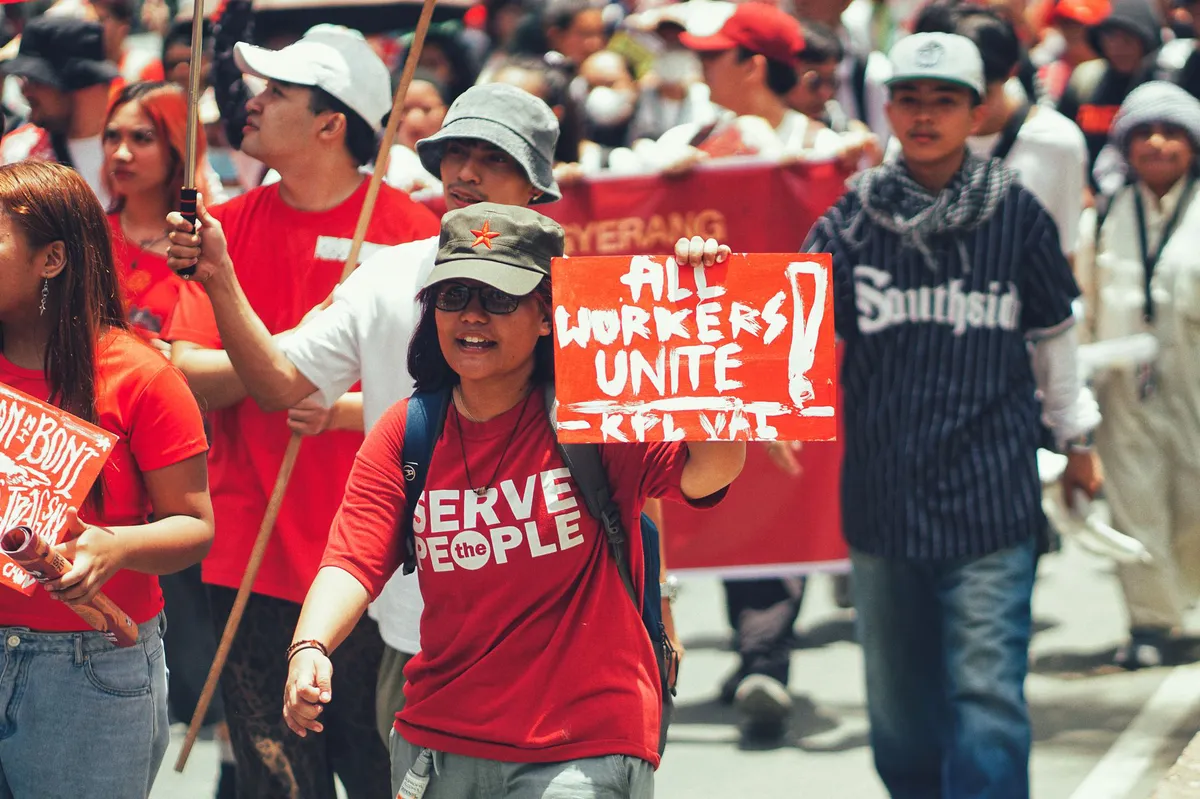
Understanding the Working Class: A Complex Identity in America
The concept of the working class in America is multifaceted, shaped by education, income, race, and political affiliation. Recent data reveals diverse perceptions and identifies significant trends among different demographics.
Related articles
Popular in Guides
- Lake Mead Reaches Historic Low: Understanding the Impacts of Water Scarcity
- Fires and Ferns: Understanding Ancient Europe's Climate Catastrophe
- Unveiling Hidden Stars: Astronomers Discover Four New White Dwarfs
- Understanding the Impact of Hawaii's Online Booking Fee Tax Ruling
- Navigating South Carolina Rental Property Law: A Comprehensive Guide