Understanding the Impact of Hawaii's Online Booking Fee Tax Ruling
Hawaii's Supreme Court recently upheld a tax ruling affecting online booking platforms. This decision could reshape the landscape for digital transactions and consumer costs in the travel industry.
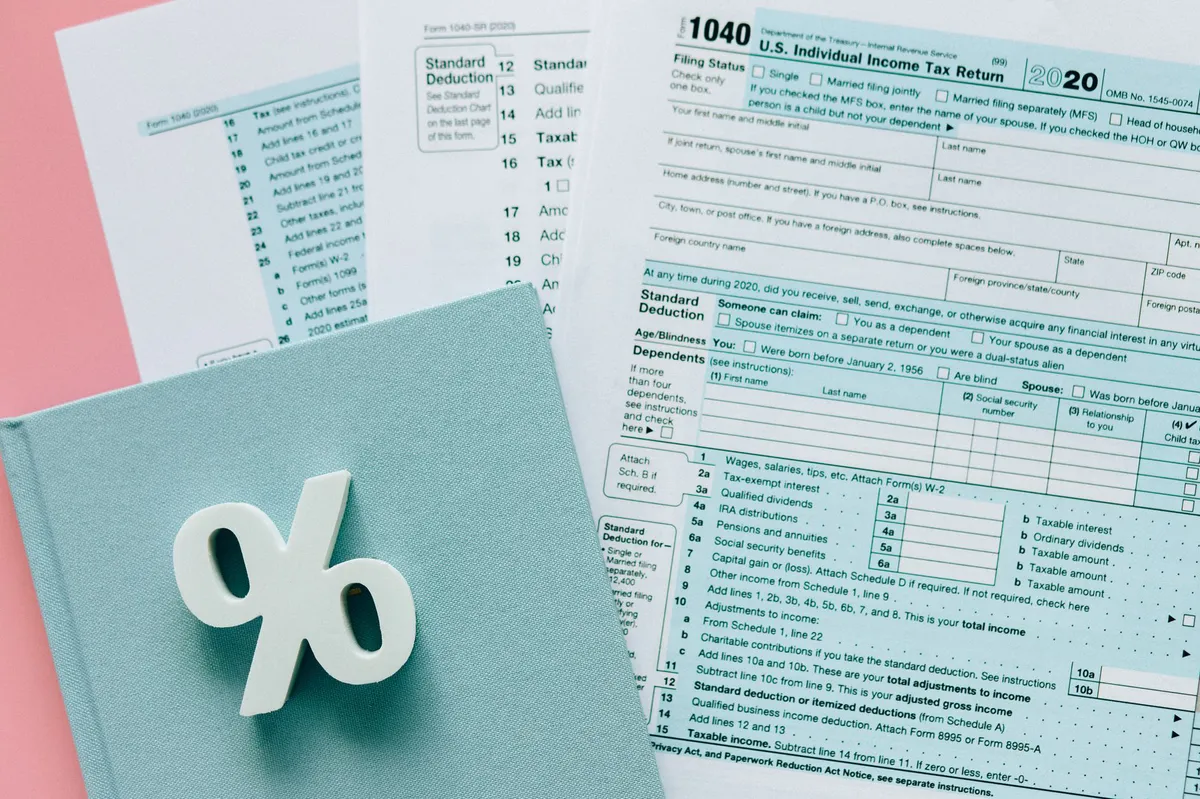
The recent ruling by the Hawaii Supreme Court regarding the state's online booking fee tax has sparked discussions among consumers, business owners, and legal experts alike. The court's decision to uphold the tax on online booking platforms is significant, not only for the travel industry but also for the broader implications it holds for digital commerce and consumer rights. As online travel bookings continue to rise, understanding this ruling is crucial for those impacted by it.
This tax ruling could lead to increased costs for consumers booking travel through online platforms, as businesses may pass the tax onto their customers. Moreover, other states may look to Hawaii's decision as a precedent for implementing similar taxes, potentially altering the landscape of online transactions across the country.

The Core of the Ruling
The Hawaii Supreme Court's decision centers on a tax imposed on online booking services, which are platforms that facilitate reservations for hotels, flights, and other travel-related services. The tax is levied on the service fees charged by these platforms, which are typically a percentage of the total booking cost.
Key Points of the Ruling
- Tax Applicability: The court affirmed that online booking sites are subject to the same tax regulations as traditional travel agencies.
- Revenue Generation: The tax is designed to generate additional revenue for the state, particularly to support local tourism and infrastructure.
- Consumer Impact: Consumers may see an increase in fees as online platforms adjust their pricing structures to accommodate the tax.
The Wider Implications of the Ruling
This ruling has broader implications beyond Hawaii. As e-commerce grows, states may be motivated to explore new revenue streams through taxation of online services. This could lead to a patchwork of regulations across the United States, complicating compliance for businesses operating in multiple states.
Potential Effects on Businesses
Online booking platforms may need to reevaluate their pricing strategies and financial models. Many companies, particularly smaller startups, could find the added tax burdens challenging, potentially stifling innovation and competition within the industry. In contrast, larger companies with more resources may absorb the costs more easily, which could widen the gap between small and large players in the market.

Consumer Reactions and Future Considerations
Consumers are likely to feel the immediate effects of this ruling as they navigate travel bookings. The increase in fees may deter some consumers from using online platforms, pushing them towards traditional methods of booking travel. Additionally, there may be a growing demand for transparency regarding how these taxes are applied and how they affect overall pricing.
Advocacy and Legal Challenges
Consumer advocacy groups may take an interest in this ruling, arguing for clearer disclosures from online platforms about the fees and taxes included in the total costs. Future legal challenges could arise if consumers believe that they are being unfairly charged or misled about the nature of these fees.

Key Takeaways
- The Hawaii Supreme Court upheld a tax on online booking platforms.
- This ruling may lead to increased costs for consumers as businesses adjust their pricing.
- Other states may adopt similar tax measures, changing the landscape of online commerce.
- Smaller companies might face challenges while larger companies could absorb costs more easily.
- Consumer advocacy groups may push for better transparency in pricing structures.
Frequently Asked Questions
What is the online booking fee tax in Hawaii?
The online booking fee tax in Hawaii is a tax imposed on service fees charged by online travel booking platforms. This tax is designed to level the playing field between online and traditional travel agencies and to generate revenue for the state.
How does this ruling affect consumers?
Consumers may see an increase in the total cost of their travel bookings as online platforms pass the tax onto them. This could lead to higher fees for services previously offered at lower prices, impacting consumer choice and behavior.
Could other states implement similar taxes?
Yes, the Hawaii Supreme Court's ruling may serve as a precedent for other states considering similar taxation of online services. As states seek new revenue sources, it is possible we will see more states adopt comparable tax measures.
What should consumers do in response to this ruling?
Consumers should stay informed about how this tax may affect the total cost of their travel bookings. It may also be beneficial for them to compare prices across different platforms and to seek out transparent pricing practices from online booking services.
This content is general information, not legal advice.
Comments
Lake Mead Reaches Historic Low: Understanding the Impacts of Water Scarcity
Lake Mead has plummeted to its lowest water level in 90 years, highlighting a severe crisis impacting the Colorado River and millions of people. This article explores the implications of this decline and what it means for water management in the American Southwest.

Related articles
Popular in Guides
- Lake Mead Reaches Historic Low: Understanding the Impacts of Water Scarcity
- Fires and Ferns: Understanding Ancient Europe's Climate Catastrophe
- Unveiling Hidden Stars: Astronomers Discover Four New White Dwarfs
- Navigating South Carolina Rental Property Law: A Comprehensive Guide
- The Dangers of Ignorance in Policy Making: Lessons from History