Navigating South Carolina Rental Property Law: A Comprehensive Guide
Understanding the lifecycle of rental property law in South Carolina is essential for both landlords and tenants. This guide breaks down the stages of renting, from advertising to move-out, and offers insight into legal obligations and best practices.

The world of rental property law can be complex, particularly in a state like South Carolina where regulations govern every stage of the rental process. Both landlords and tenants must navigate a variety of legal requirements, from lease agreements to maintenance responsibilities, each of which can significantly impact their rights and obligations. Understanding this legal framework is not just about compliance; it’s about establishing a rental relationship that minimizes disputes and protects everyone involved.
In this article, we will explore the lifecycle of rental property law in South Carolina, emphasizing the importance of clear communication, documentation, and compliance with both state and federal laws. By treating rental agreements as a continuous process rather than isolated events, both parties can foster a more cooperative environment.
Understanding the Rental Property Lifecycle
The rental lifecycle consists of several critical phases, each interconnected and capable of affecting the outcome of the tenancy. These stages include:
- Advertising the property
- Screening potential tenants
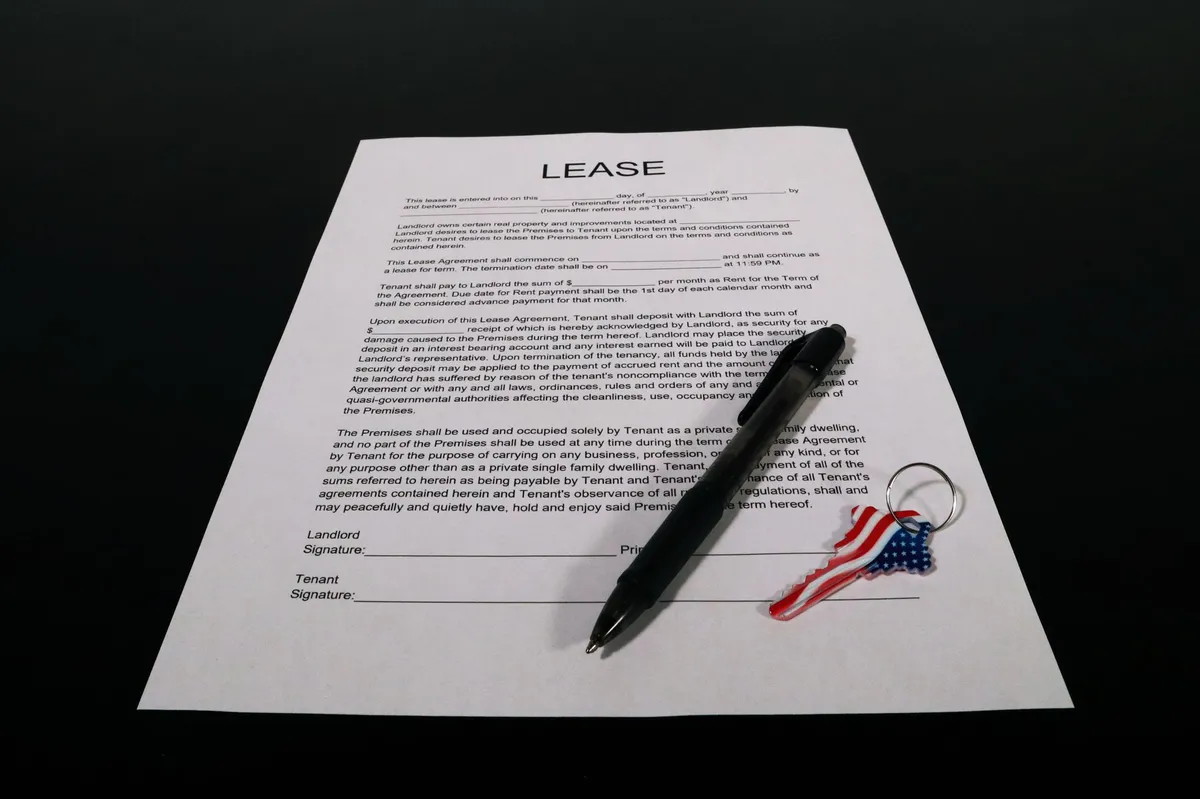
- Drafting and executing the lease
- Maintaining the property
- Handling security deposits
- Eviction processes
By viewing these stages as part of one cohesive legal process, landlords can better manage expectations and responsibilities. For example, an unclear advertisement may lead to fair housing violations, while poorly drafted lease terms could lead to disputes over fees or responsibilities. Establishing clear procedures and expectations at each stage is crucial to preventing issues from escalating later on.
Importance of Clear Communication and Documentation
Clear communication between landlords and tenants is essential at every stage of the rental process. Landlords should ensure that all advertisements, lease agreements, and communication are transparent and unambiguous. This includes:
- Providing accurate descriptions of the property
- Clearly stating rental terms and conditions
- Documenting all communications
Tenants, on the other hand, should take the initiative to understand their rights and responsibilities. This includes reading and retaining copies of all documents and promptly reporting any maintenance issues. By adopting these best practices, both landlords and tenants can foster a more predictable rental relationship, reducing the likelihood of disputes.
The Legal Framework Governing Rentals in South Carolina
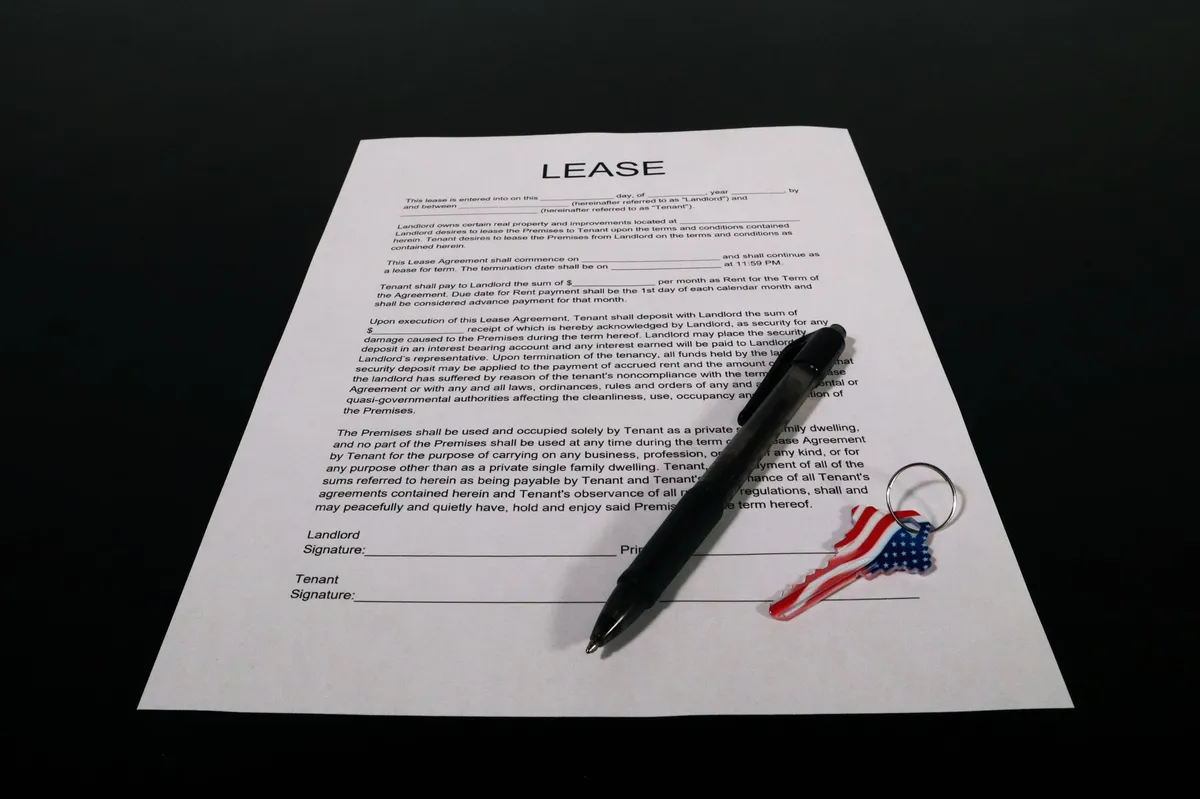
In South Carolina, the primary law governing residential rental agreements is the South Carolina Residential Landlord and Tenant Act, found in Title 27, Chapter 40 of the South Carolina Code. This Act outlines critical aspects of the landlord-tenant relationship, including:
- Landlord and tenant duties
- Security deposit regulations
- Property condition standards
- Access rights
- Remedies for lease violations
While the Act provides a foundational framework, it is important to note that local housing codes and federal regulations may also apply. For instance, fair housing laws prohibit discrimination based on race, color, religion, sex, national origin, familial status, and disability, which landlords must consider when advertising and renting their properties.
Drafting Leases to Minimize Confusion
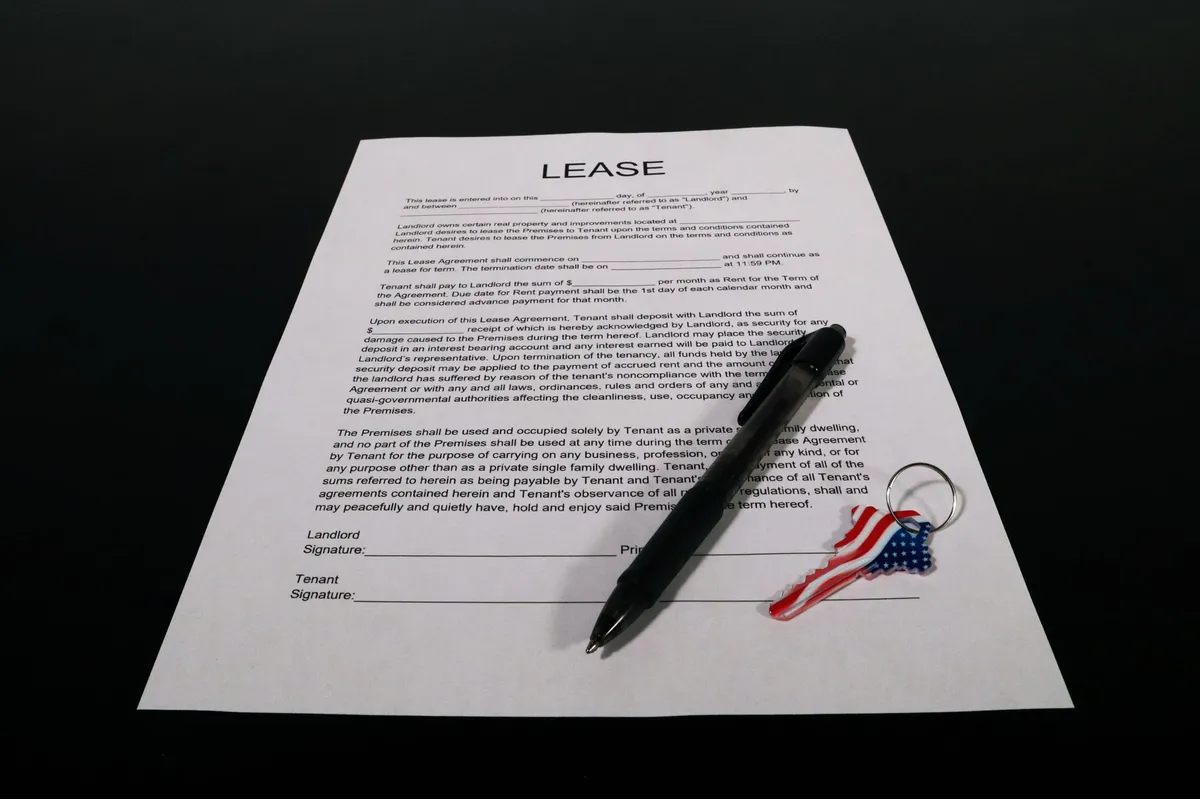
A well-structured lease agreement is one of the best defenses against potential disputes. Leases should be comprehensive and clearly define:
- Tenancy dates and rent amount
- Payment due dates and methods
- Late charges and their enforceability
- Deposit terms and occupancy limits
- Rules regarding pets and maintenance responsibilities
By including detailed provisions and eliminating vague language, landlords can significantly reduce the chances of misunderstandings. It’s advisable for landlords to seek legal counsel when drafting leases, especially if they include unusual fees or liability clauses, to ensure compliance with South Carolina law.
Screening Tenants: Balancing Fairness and Compliance
Screening potential tenants is crucial for landlords looking to ensure payment reliability and compliance with lease terms. However, it must be conducted in a manner that adheres to fair housing and consumer-reporting laws. Key considerations during this process include:
- Setting written criteria for tenant selection
- Applying these criteria consistently to all applicants
- Documenting the reasons for any adverse decisions
For example, a landlord may evaluate an applicant's income, rental history, and credit information to determine their suitability. These criteria should be applied uniformly to avoid claims of discrimination. The Fair Housing Act prohibits discrimination based on several protected characteristics, and landlords must ensure that their screening practices are free from bias.
Fair Housing Compliance in Everyday Management
Fair housing obligations extend beyond tenant screening; they influence numerous management decisions, from advertising and property showings to lease enforcement and maintenance. To comply with fair housing laws, landlords must:
- Provide consistent information to all prospective tenants
- Avoid discriminatory language in advertisements
- Document any changes in terms or enforcement of rules
For instance, when advertising a rental property, landlords should focus on the property’s features rather than the type of tenant they prefer. Using inclusive language ensures compliance with fair housing regulations and promotes a more diverse rental community.

Key Takeaways
- Understanding the rental lifecycle can significantly reduce disputes between landlords and tenants.
- Clear communication and thorough documentation are essential for minimizing misunderstandings.
- Compliance with the South Carolina Residential Landlord and Tenant Act is crucial for both parties.
- Well-drafted leases and consistent tenant screening practices help protect against potential legal issues.
- Fair housing laws must be adhered to in all aspects of property management, from advertising to lease enforcement.
Frequently Asked Questions
What should I include in a rental lease to protect my interests?
A comprehensive rental lease should clearly outline all terms of the tenancy, including the duration of the lease, rent amount, payment deadlines, security deposit details, maintenance responsibilities, and rules regarding pets. It is also important to include disclosures regarding owner or authorized agents and to ensure that the lease complies with local and state laws. Consulting with a legal professional can help you draft a lease that protects your interests while complying with applicable laws.
How can landlords avoid fair housing violations?
To avoid fair housing violations, landlords should ensure that their advertising and tenant screening practices do not discriminate against any protected characteristics, such as race, color, religion, sex, national origin, familial status, or disability. This includes using inclusive language in advertisements and applying the same screening criteria to all applicants. Additionally, landlords should document any decisions made during the screening process to provide evidence of compliance.
What are my rights as a tenant in South Carolina?
As a tenant in South Carolina, you have the right to a habitable living environment, protection against discriminatory practices, and the return of your security deposit under the conditions specified in your lease and state law. Tenants also have the right to request necessary repairs and must be informed of any rules regarding property use and occupancy. Understanding these rights is crucial for protecting your interests throughout the tenancy.
What steps should I take if I have a dispute with my landlord?
If you have a dispute with your landlord, the first step is to communicate your concerns clearly and document all interactions in writing. If the issue cannot be resolved amicably, you may need to consult with a legal professional to explore your options for mediation or legal action. Keep records of all relevant documentation, including the lease, payment records, and any correspondence related to the dispute, as this information will be valuable if legal action becomes necessary.
This article is for informational purposes only and does not constitute legal advice.
Comments
Popular in Guides
- Lake Mead Reaches Historic Low: Understanding the Impacts of Water Scarcity
- Fires and Ferns: Understanding Ancient Europe's Climate Catastrophe
- Unveiling Hidden Stars: Astronomers Discover Four New White Dwarfs
- Understanding the Impact of Hawaii's Online Booking Fee Tax Ruling
- The Dangers of Ignorance in Policy Making: Lessons from History