Lake Mead Reaches Historic Low: Understanding the Impacts of Water Scarcity
Lake Mead has plummeted to its lowest water level in 90 years, highlighting a severe crisis impacting the Colorado River and millions of people. This article explores the implications of this decline and what it means for water management in the American Southwest.
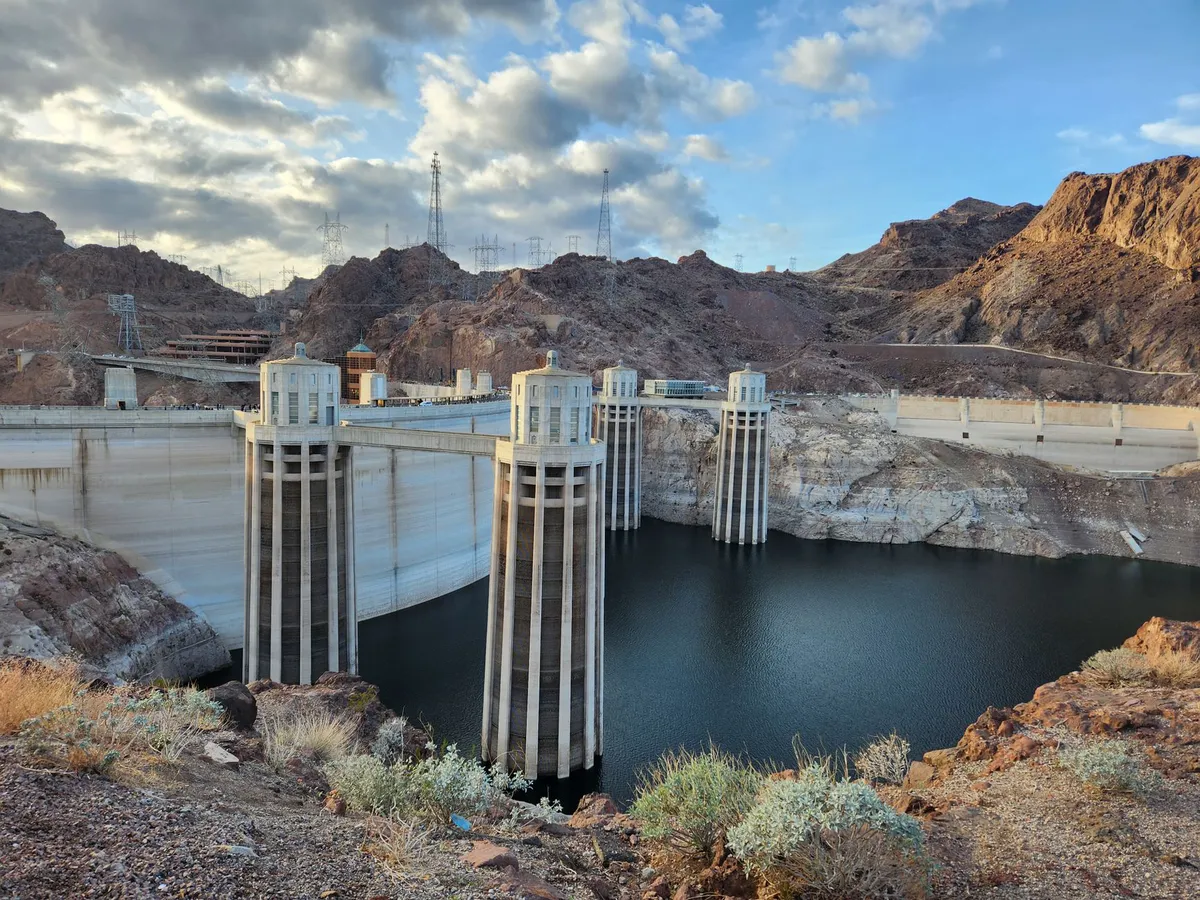
The recent plummet of Lake Mead's water level to a historic low, recorded at 1,040.4 feet above sea level, marks a critical juncture in the ongoing water crisis affecting the Colorado River system. This reservoir, the largest in the United States, has not seen levels this low since it was filled nearly nine decades ago. This alarming trend signals not just a local issue but a significant concern for the entire southwestern United States, where over 40 million residents depend on the Colorado River for their water supply. The current situation is a stark reminder of the challenges posed by climate change, prolonged drought, and the urgent need for effective water management strategies.
The record low comes on the heels of one of the worst snowpack seasons in the Colorado River Basin, which is crucial for replenishing the river's flow. Such conditions don't just threaten the vast agricultural needs of the region but also jeopardize the livelihood of numerous industries, wildlife habitats, and hydropower production. As federal officials scramble to address these challenges, the implications of dwindling water resources are being felt across seven states, tribal nations, and even extending into Mexico.
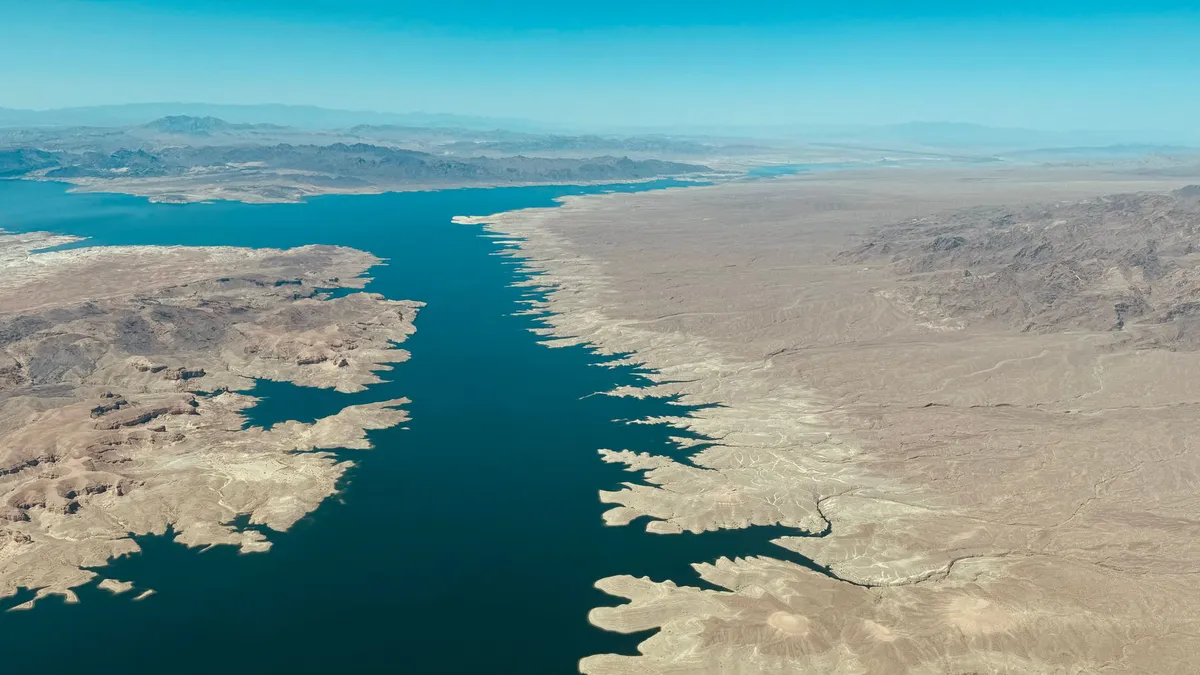
Lake Mead's Dwindling Water Levels
Lake Mead's water level has been steadily declining, exacerbated by a combination of factors:
- Prolonged Drought: The region has faced years of significant drought, leading to reduced snowpack and lower river flows.
- Overuse of Resources: Increased demand from agricultural and urban areas has strained the river's capacity.
- Climate Change: Rising temperatures have contributed to increased evaporation rates, further diminishing water supplies.
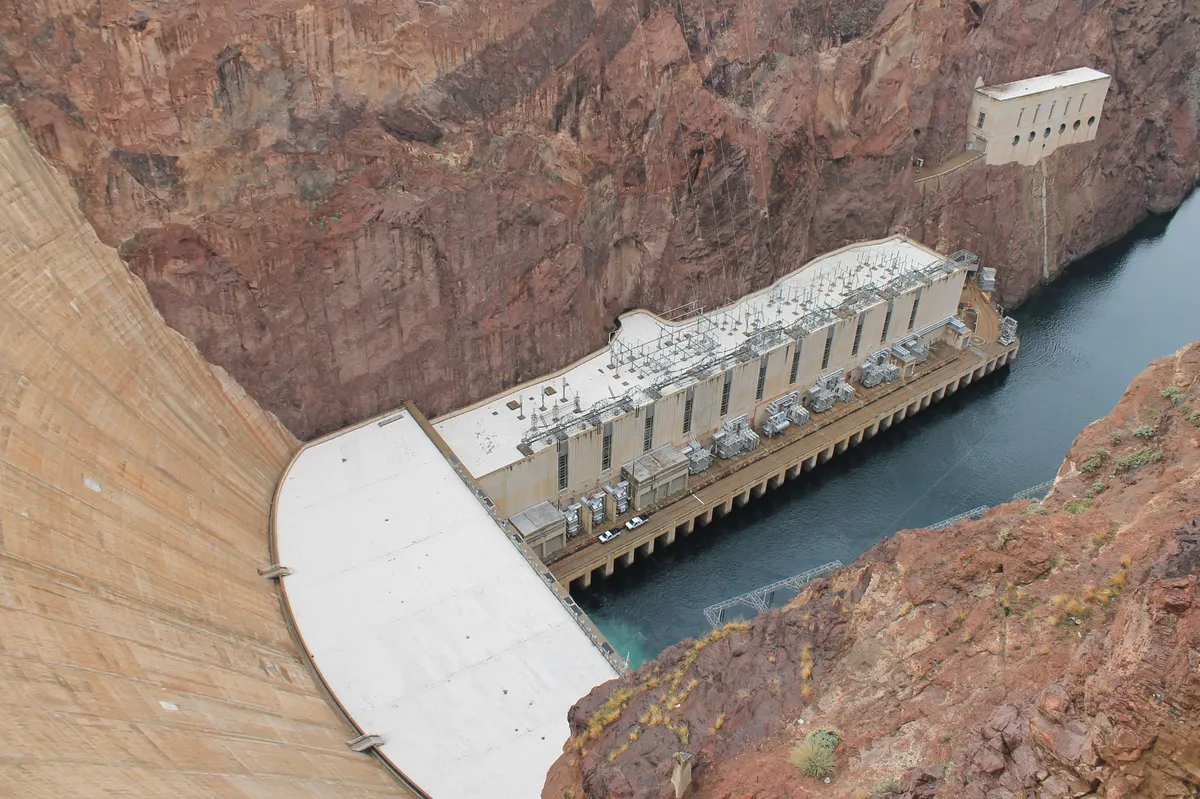
As of the latest measurements, Lake Mead's level is just inches away from surpassing the previous low point recorded in July 2022. This decline is alarming not only for local ecosystems but also for the infrastructure that relies on the reservoir, including the Hoover Dam, which generates hydropower and provides water to millions.
Federal Response to Water Shortages
The situation has prompted federal officials to intervene in an attempt to avert a full-blown crisis. Recently, a short-term proposal was announced, which aims to implement immediate water cuts among the states that rely on the Colorado River. Under this plan, California, Nevada, and Arizona are expected to share the burden of these cuts to manage the dwindling resource responsibly.
This intervention comes after the states failed to agree on long-term strategies to allocate the river's water. As water scarcity looms, the stakes have never been higher, making cooperation among these states crucial for sustainable resource management. The federal government recognizes that urgent measures are necessary to protect this vital waterway and its users.
Environmental and Economic Implications
The declining water levels in Lake Mead and the Colorado River system have profound implications:
Impact on Agriculture and Economy
Over 5.5 million acres of farmland depend on the Colorado River for irrigation. As water becomes scarcer, farmers may face difficult decisions regarding crop selection and cultivation methods, potentially leading to reduced agricultural output and higher food prices. Such disruptions can be devastating not just for farmers but also for consumers who rely on affordable produce.
Hydropower Production at Risk
The Hoover Dam and Glen Canyon Dam play crucial roles in generating electricity for millions. As water levels drop, the capacity to generate hydropower diminishes, potentially leading to energy shortages and increased electricity costs for residents in the region.
Wildlife and Ecosystems
Lake Mead supports diverse ecosystems, including various aquatic species that are now threatened due to habitat loss. Federal officials have even announced that they will not release cool water from Lake Powell to protect a native fish species, indicating the complex balance between environmental conservation and human needs.
The Way Forward: Strategies for Sustainable Water Management
Addressing the water crisis requires a multi-faceted approach:
- Improved Water Conservation: States must implement more effective water conservation measures, including incentivizing efficient irrigation practices and reducing waste.
- Innovative Technology: Investment in technology to recycle and reuse water can significantly enhance water availability.
- Collaborative Agreements: States need to foster collaborative agreements to ensure equitable water distribution and long-term sustainability.
- Public Awareness: Increasing public awareness about the importance of water conservation can help drive community efforts to reduce water usage.
The path ahead is fraught with challenges, but through cooperation and innovation, the states that rely on the Colorado River can work toward a more sustainable future.
Key Takeaways
- Lake Mead's water levels have reached a historic low, impacting millions of residents.
- The Colorado River system is under severe stress due to prolonged drought and overuse.
- Federal officials are proposing immediate water cuts among key states to manage resources.
- The implications extend to agriculture, hydropower, and local ecosystems.
- Long-term solutions require collaborative efforts and innovative water management strategies.
Frequently Asked Questions
What are the main causes of Lake Mead's low water levels?
The primary causes of Lake Mead's low water levels include prolonged drought conditions, over-extraction of water by agricultural and urban demands, and rising temperatures that increase evaporation rates. These factors have combined to create a critical water shortage that threatens the reservoir and the ecosystems and communities that depend on it.
How will the federal short-term proposal affect water distribution among states?
The federal short-term proposal aims to impose immediate water cuts among California, Nevada, and Arizona, the states that rely heavily on the Colorado River. This approach is designed to manage the dwindling resource more equitably while providing a temporary solution ahead of more comprehensive agreements that will need to be established for long-term water sharing.
What steps can individuals take to conserve water in their daily lives?
Individuals can take several steps to conserve water, including fixing leaks, using water-efficient appliances, reducing outdoor watering, and being mindful of water usage during daily activities. Simple actions, such as taking shorter showers and turning off the tap while brushing teeth, can collectively make a significant difference in water conservation efforts.
What impact does this water crisis have on local wildlife?
The water crisis poses a serious threat to local wildlife, particularly aquatic species that depend on healthy water levels for their survival. As water levels decline, habitats become compromised, leading to a decline in fish populations and other wildlife. The ecosystem's balance is disrupted, which can have cascading effects throughout the food chain.
This article is for informational purposes only and does not constitute legal advice.
Comments
Understanding the Impact of Hawaii's Online Booking Fee Tax Ruling
Hawaii's Supreme Court recently upheld a tax ruling affecting online booking platforms. This decision could reshape the landscape for digital transactions and consumer costs in the travel industry.

Related articles
Popular in Guides
- Fires and Ferns: Understanding Ancient Europe's Climate Catastrophe
- Unveiling Hidden Stars: Astronomers Discover Four New White Dwarfs
- Understanding the Impact of Hawaii's Online Booking Fee Tax Ruling
- Navigating South Carolina Rental Property Law: A Comprehensive Guide
- The Dangers of Ignorance in Policy Making: Lessons from History