The Dangers of Ignorance in Policy Making: Lessons from History
This article explores the catastrophic consequences of ignorant policymaking, drawing parallels between historical events and current trends. It highlights the importance of informed decision-making in leadership roles to prevent suffering and loss.
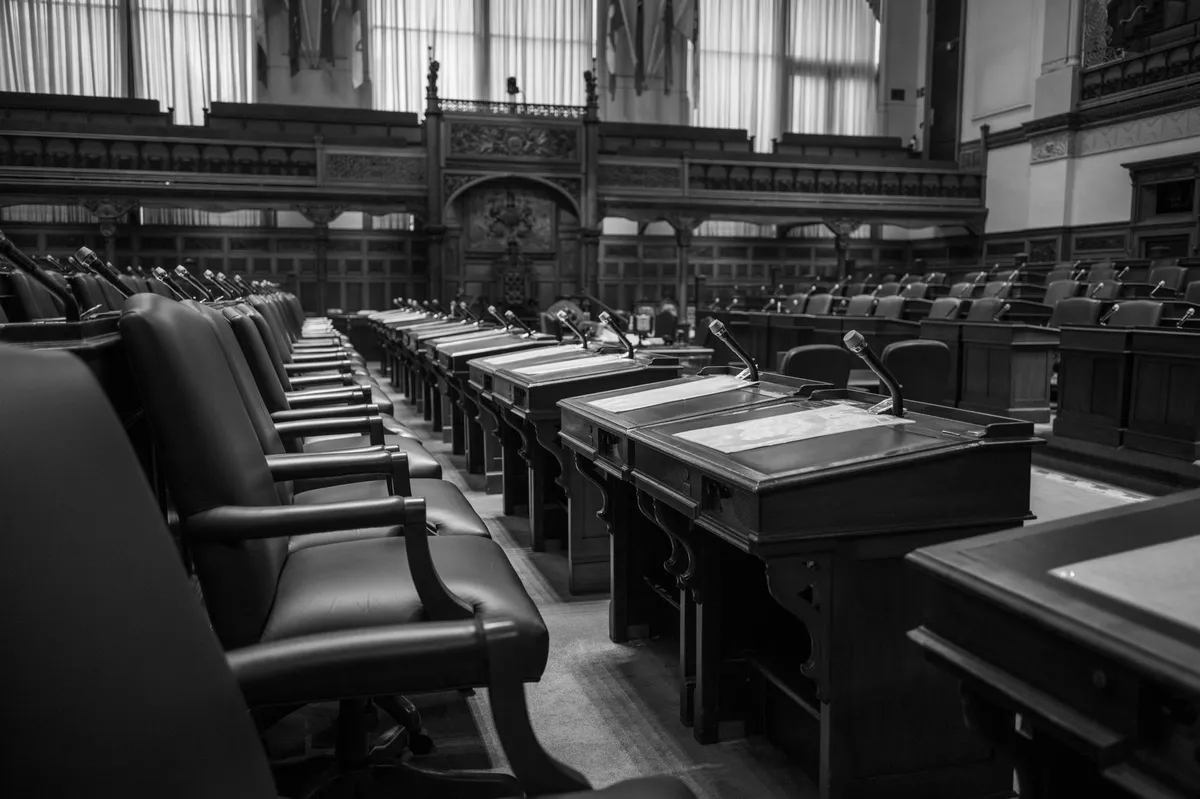
The consequences of poorly informed policy decisions can be catastrophic, affecting millions and reshaping societies. Throughout history, leaders who lacked a comprehensive understanding of the issues at hand have often plunged their nations into turmoil, suffering, and hardship. By examining the destructive policies of historical figures like Mao Zedong and contrasting them with contemporary political decisions, we can glean valuable insights into the importance of informed leadership and the potential ramifications of ignorance in governance.
The Historical Context: Mao Zedong's Policies
In the late 1950s, Mao Zedong implemented a series of drastic agricultural reforms in China, which culminated in the disastrous Great Leap Forward. This initiative aimed to rapidly transform China from an agrarian society into an industrialized communist state. However, the policies were based on flawed assumptions about agriculture and economic management, leading to one of the deadliest famines in human history. It is estimated that more than 30 million people died as a result of these policies, with Tibet suffering particularly severe consequences.
In Tibet, for centuries, herders relied on the region's unique environment to graze yaks and trade with farmers at lower elevations. The traditional methods of subsistence were abruptly disrupted when Mao mandated that Tibetans plant crops on the high-altitude plateau, where the climate was unsuitable for agriculture. The result was disastrous: crops failed, livestock perished, and starvation ensued. Approximately 340,000 Tibetans lost their lives during this period, a stark reminder of how ignorance in policy-making can lead to tragic outcomes.

Modern Parallels: Ignorance in Contemporary Policy
Fast forward to the present day, and we find ourselves grappling with similar issues of policy driven by ignorance. The COVID-19 pandemic exposed a multitude of leadership failures in public health and safety, particularly in the United States. The politicization of vaccines and public health measures has mirrored the historical neglect seen in Mao's policies. For example, some contemporary figures have advocated for delaying vaccinations for children, a stance not supported by scientific evidence. Such recommendations can have dire consequences for public health, particularly among vulnerable populations.
In the first year following significant cuts to the U.S. Agency for International Development (USAID), hundreds of thousands of children under six died due to preventable diseases, reminding us of the importance of informed governance in health policy. These policies not only affect individuals but also ripple through communities, leading to increased healthcare costs, loss of productivity, and a diminished quality of life.
The Role of Education in Policy Making
Education plays a crucial role in shaping informed leaders and citizens. Under Mao's regime, a systematic campaign against intellectualism led to the banning of books and persecution of scholars. Today, we are witnessing a troubling trend of censorship and the removal of educational materials deemed controversial or politically incorrect. Over 6,800 titles have been banned from schools and libraries in recent years, stifling critical discourse and depriving students of diverse perspectives.
This effort to control education can have lasting effects on society, as it breeds ignorance and conformity rather than critical thinking and innovation. Informed citizens are essential for a functioning democracy; when education is compromised, the very foundation of informed policymaking erodes.

The Consequences of Ignorance in Leadership
The consequences of ignorance in leadership extend beyond immediate policy failures. History has shown that when leaders prioritize ideology over evidence, the outcomes can be catastrophic. The Cultural Revolution in China, where intellectuals were persecuted and dissent was crushed, serves as a cautionary tale. In contemporary settings, we see similar authoritarian approaches to governance, where dissenting voices are silenced, and critical thought is discouraged.
Moreover, the rise of misinformation and the erosion of trust in institutions further complicate the landscape. When leaders promote conspiracies or disregard scientific consensus, they endanger public health and safety. The societal divisions that arise from such actions can lead to unrest and further undermine the social fabric.
Key Takeaways
- Historical lessons illustrate the dangers of ignorant policymaking, evidenced by Mao's catastrophic reforms.
- Contemporary policies reflecting similar ignorance can lead to significant public health crises.
- Education is vital for fostering informed leadership and citizenship, essential for a healthy democracy.
- Ignoring dissent and promoting censorship can have lasting negative impacts on society.
Frequently Asked Questions
What are the main lessons from Mao's policies that are relevant today?
The primary lesson from Mao's policies is the catastrophic impact of implementing ill-informed and ideologically driven policies without regard for evidence or the realities on the ground. History teaches us that policies must be rooted in factual understanding and consider the diverse needs of the population to avoid widespread suffering.
How can citizens ensure leaders make informed decisions?
Citizens can hold leaders accountable by advocating for transparency, supporting educational initiatives, and demanding evidence-based policies. Engaging in civic discourse, participating in elections, and being informed consumers of news can empower citizens to influence decision-making and promote accountability.
What role does education play in preventing policy failures?
Education fosters critical thinking, equips individuals with the knowledge to question and evaluate policies, and encourages active civic engagement. When citizens are educated, they are more likely to challenge ineffective or harmful policies and advocate for changes that benefit society as a whole.
Why is it important to combat censorship in education?
Combatting censorship is essential for preserving the diversity of thought and promoting intellectual freedom. Censorship stifles critical discourse, limits the ability of individuals to learn from various perspectives, and ultimately weakens the foundations of democracy by creating an uninformed populace.
This article is for informational purposes only and should not be considered legal advice.
Comments
Popular in Guides
- Lake Mead Reaches Historic Low: Understanding the Impacts of Water Scarcity
- Fires and Ferns: Understanding Ancient Europe's Climate Catastrophe
- Unveiling Hidden Stars: Astronomers Discover Four New White Dwarfs
- Understanding the Impact of Hawaii's Online Booking Fee Tax Ruling
- Navigating South Carolina Rental Property Law: A Comprehensive Guide