Fires and Ferns: Understanding Ancient Europe's Climate Catastrophe
A recent study reveals that the extreme global warming event 201 million years ago transformed Europe into a fire-prone landscape dominated by ferns. This period, marked by intense volcanic activity and a mass extinction, offers critical insights into how ecosystems adapt to catastrophic environmental changes.
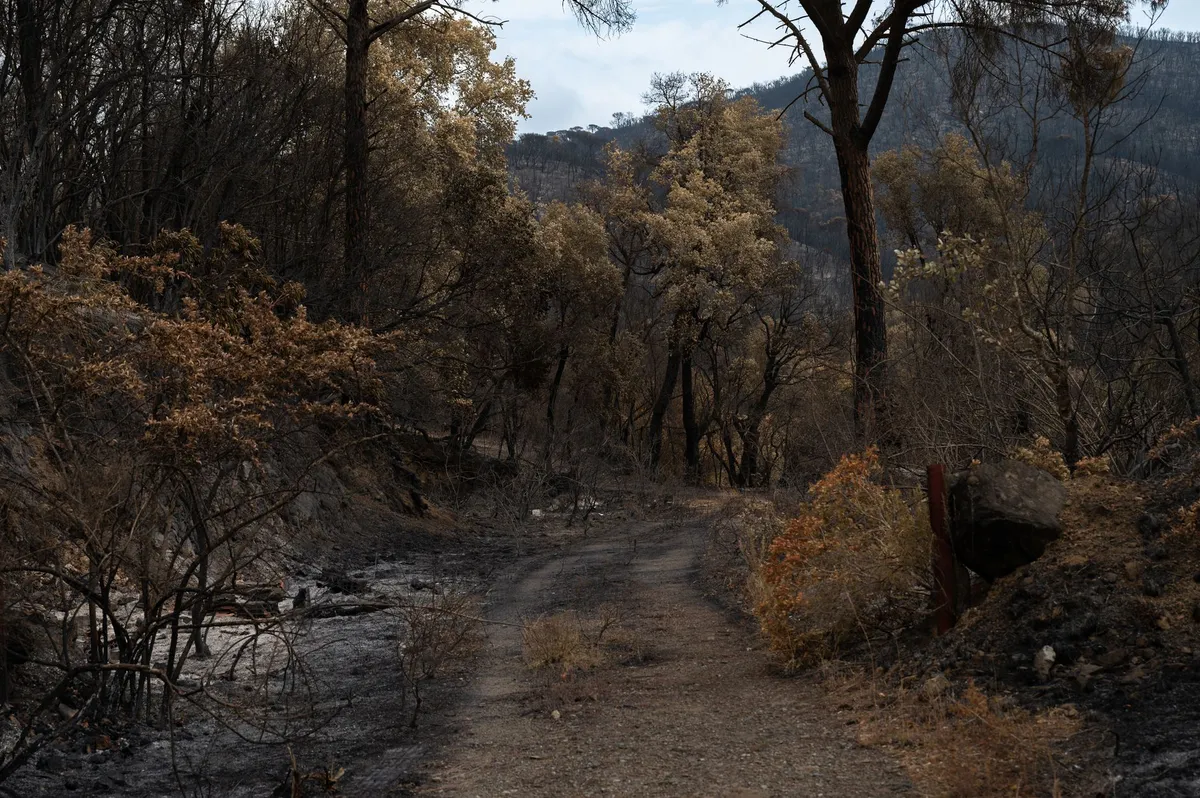
The history of our planet is punctuated by periods of dramatic climate change, each leaving behind a unique imprint on the environment and its inhabitants. One such period, approximately 201 million years ago, coincided with the end of the Triassic Period and was characterized by extreme global warming, volcanic eruptions, and mass extinctions. A recent study published in Nature Geoscience uncovers how this tumultuous time transformed ancient Europe into a sprawling fern-dominated landscape that became a tinderbox for widespread wildfires.
Researchers analyzed fossilized pollen and fern spores from rock cores across regions that now make up the UK, Germany, and Denmark. Their findings reveal that the landscape was engulfed in flames, driven by the characteristics of the prevailing fern species, which thrived in conditions of heightened carbon dioxide and aridity. The implications of these findings extend beyond understanding ancient ecosystems; they provide a lens through which we can examine the resilience of life amid catastrophic environmental upheavals.
The Triassic Climate Crisis: A Volcanic Prelude
The period leading up to this unprecedented warming was marked by intense volcanic activity as the supercontinent Pangea began to fragment. These eruptions released immense quantities of carbon dioxide, elevating global temperatures by an estimated 5 to 10 degrees Celsius. As a result, lush forests were replaced by fern-dominated savannahs that created conditions ripe for wildfires.
The Mechanisms of Change
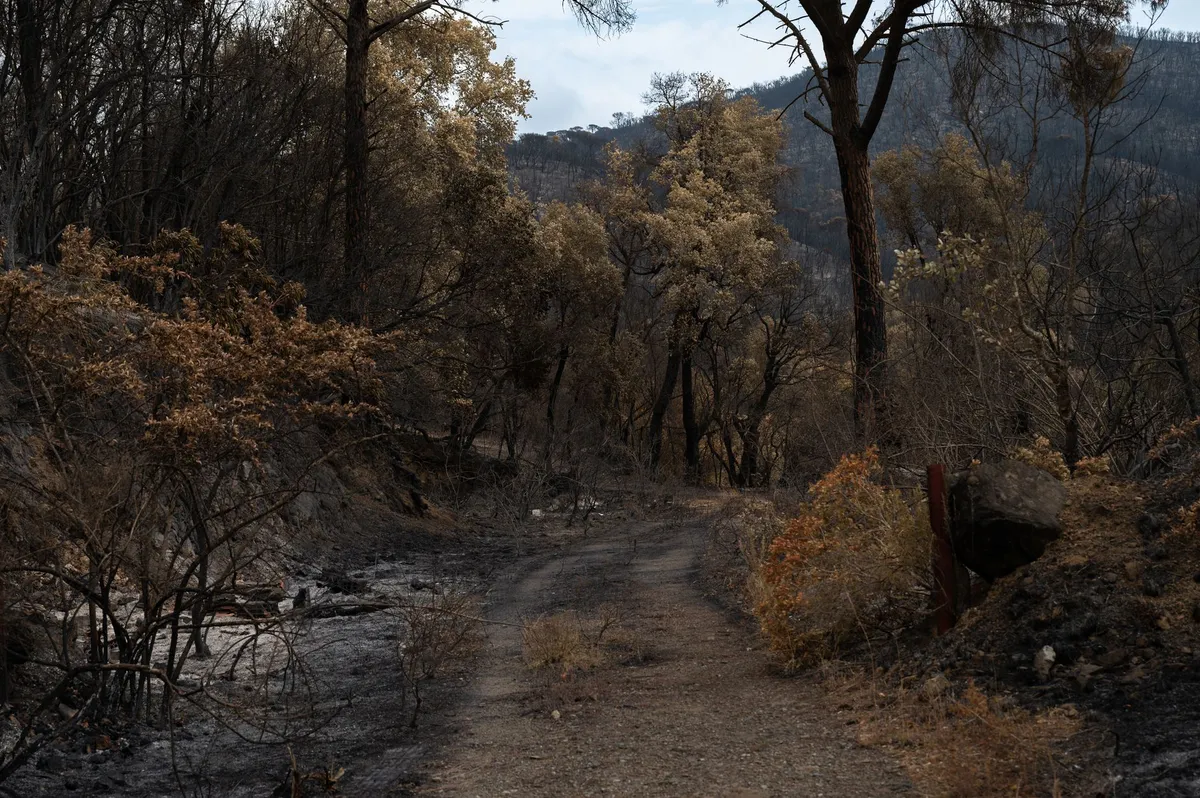
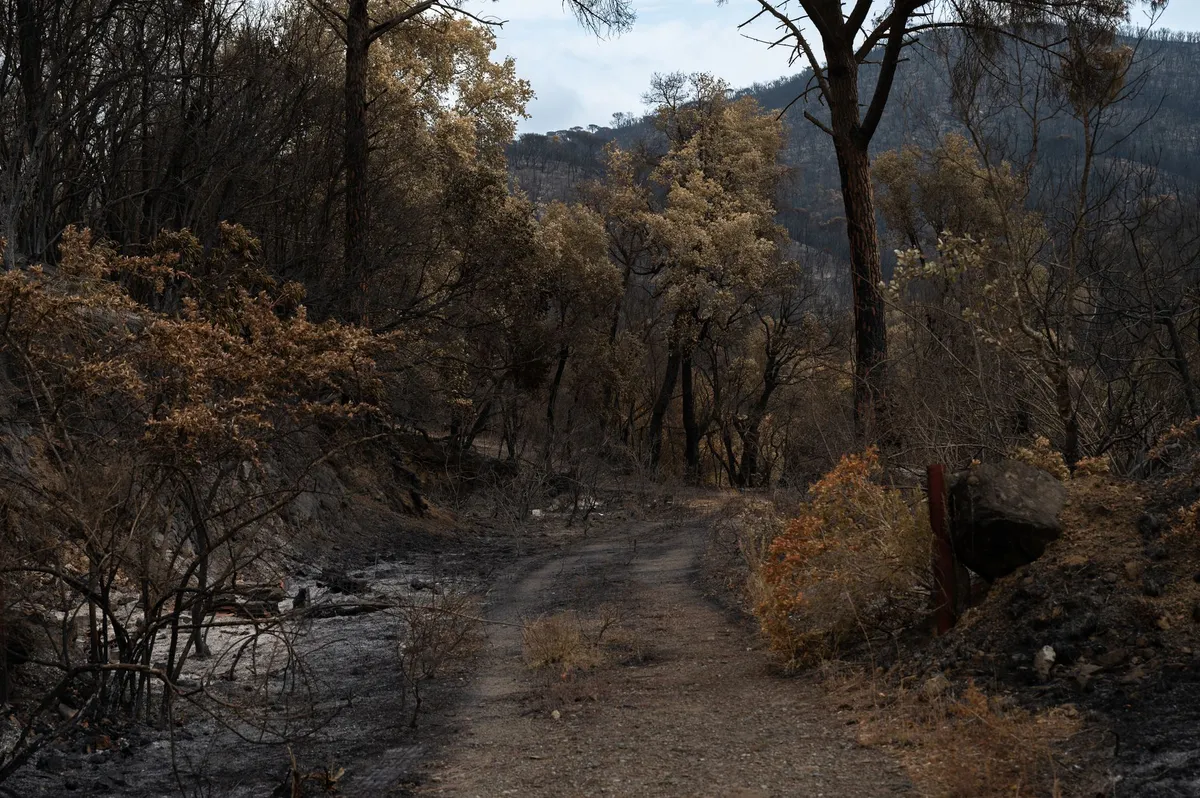
During this climate crisis, the landscape underwent a drastic transformation. The researchers observed that the fossilized remains of pollen and spores became increasingly darker during the extinction interval. This darkening was directly linked to biomass that had been charred by wildfires, indicating that these events were not isolated but rather widespread across thousands of square kilometers.
- Carbon Dioxide Surge: Volcanic eruptions released vast amounts of CO2, raising global temperatures significantly.
- Fern Dominance: Ferns thrived in these new conditions, forming dense vegetation that facilitated the spread of wildfires.
- Fossil Evidence: Darkened fossil pollen and spores provide new methods for identifying ancient wildfire events.
Ferns: Nature's Resilient Survivors
The findings from this study underline the remarkable adaptability of ferns in extreme conditions. Bas van de Schootbrugge, a geologist at Utrecht University, emphasizes that ferns can form an extensive fuel supply, making them instrumental in the proliferation of wildfires. Their biomass tends to dry out without degrading, resulting in thick mats of material that can ignite during droughts, particularly when followed by storms and lightning strikes.
Comparative Ecology: Ancient and Modern
This phenomenon can be likened to modern ecosystems, such as Florida's Everglades, where invasive fern species create dense vegetation that can facilitate fire spread, even in wetland areas. The ecological implications of this are significant; it suggests that the interactions between flora and environmental conditions can lead to transformative damage, reshaping entire ecosystems.

Recovery and Resilience: Ecosystem Dynamics
The study also sheds light on the recovery processes of ecosystems following catastrophic events. After the mass extinction of trees, ferns quickly colonized the barren landscapes, establishing sprawling savannahs that dominated the region during recovery. This rapid recolonization underscores the ferns' adaptability and resilience as they outcompeted many other plant species.
Ferns as Disaster Species
Ferns are often viewed as 'disaster species,' as they appear in the aftermath of several mass extinction events, including the end-Permian and end-Cretaceous extinctions. Their ability to reproduce through spores and regenerate from underground stems allows them to reclaim devastated landscapes swiftly. As van de Schootbrugge points out, “They are true survivors and will likely be here for a long time.”
Implications for Modern Climate Science
The findings of this study not only enhance our understanding of a pivotal moment in Earth's history but also present a new tool for tracing ancient wildfires preserved in the geological record. The darkening of fossilized pollen and spores could provide a crucial method for identifying past wildfire events, offering insights that could inform our understanding of current wildfire dynamics and climate change.
Lessons from the Past
Understanding how ferns and other species adapt to extreme conditions can provide valuable lessons for contemporary ecosystems facing climate change. As we grapple with increasing temperatures, rising CO2 levels, and the frequency of wildfires, insights from ancient ecosystems can help guide conservation strategies and inform our responses to environmental challenges.
Key Takeaways
- The Triassic Period saw extreme global warming due to volcanic eruptions, transforming forests into fern savannahs.
- Widespread wildfires were fueled by dense fern biomass that acted as a significant fire hazard.
- The darkening of fossil pollen can serve as a new method for identifying ancient wildfire events.
- Ferns demonstrate remarkable resilience and adaptability, quickly reclaiming landscapes after catastrophic events.
- Insights from ancient ecosystems can inform modern strategies for managing climate change and wildfires.
Frequently Asked Questions
What caused the wildfires during the Triassic Period?
The wildfires were primarily caused by the extreme global warming resulting from volcanic eruptions that released vast amounts of carbon dioxide into the atmosphere. This surge in CO2 raised global temperatures and transformed forests into fern-dominated landscapes, which became highly flammable due to their dense biomass.
How do researchers study ancient wildfires?
Researchers study ancient wildfires by analyzing fossilized pollen and spores found in rock cores. The darkening of these remains during specific geological intervals can indicate the occurrence of wildfires, as they are linked to charred biomass from these events. This method offers a new way to trace the history of wildfires in the geological record.
Why are ferns considered 'disaster species'?
Ferns are termed 'disaster species' because they are often among the first plants to colonize areas devastated by catastrophic events, such as mass extinctions. Their ability to reproduce rapidly through spores and regenerate from underground stems allows them to thrive in harsh conditions, outcompeting many other plant species during recovery periods.
What can we learn from the study of ancient ecosystems about modern climate change?
The study of ancient ecosystems, particularly how species like ferns adapted to extreme environmental changes, provides valuable insights into resilience and recovery. Understanding these dynamics can inform contemporary strategies for managing ecosystems currently facing climate change and increasing wildfire risks.
This article is intended for informational purposes only and does not constitute legal advice.
Comments
Popular in Guides
- Lake Mead Reaches Historic Low: Understanding the Impacts of Water Scarcity
- Unveiling Hidden Stars: Astronomers Discover Four New White Dwarfs
- Understanding the Impact of Hawaii's Online Booking Fee Tax Ruling
- Navigating South Carolina Rental Property Law: A Comprehensive Guide
- The Dangers of Ignorance in Policy Making: Lessons from History