Understanding the Working Class: A Complex Identity in America
The concept of the working class in America is multifaceted, shaped by education, income, race, and political affiliation. Recent data reveals diverse perceptions and identifies significant trends among different demographics.
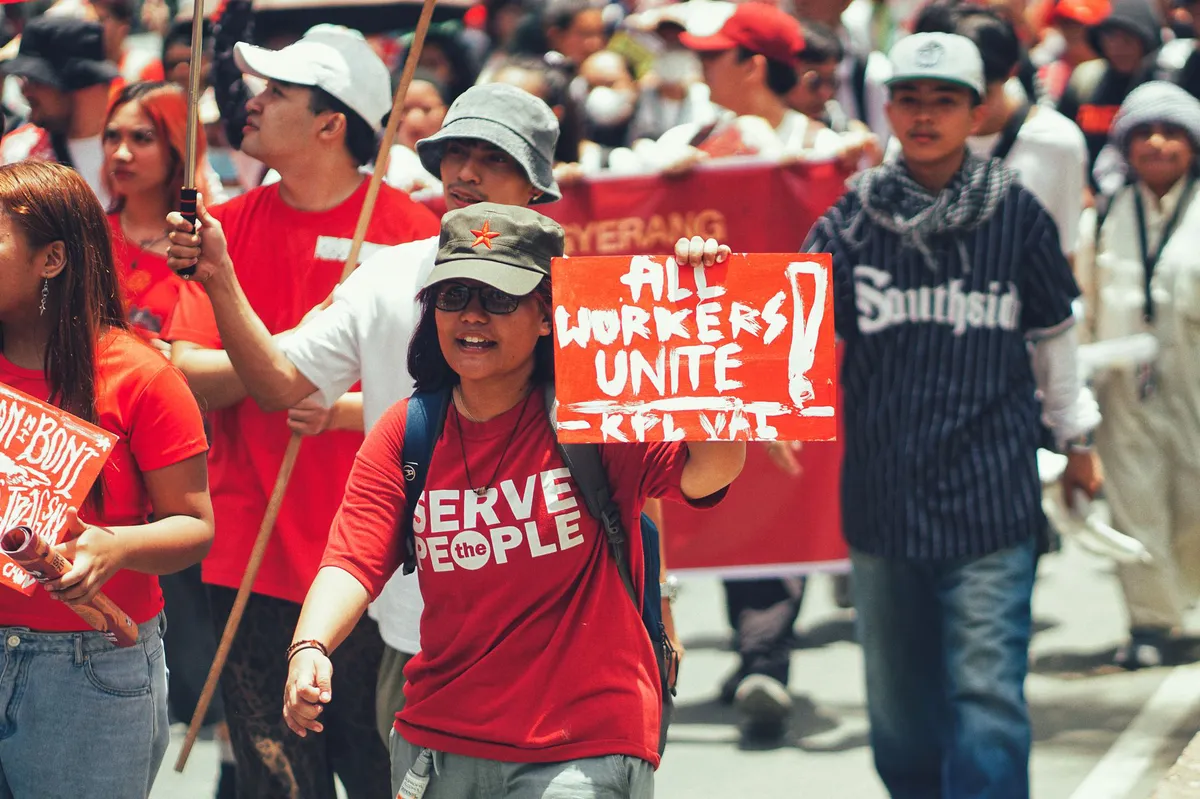
In contemporary America, the notion of the "working class" is more than just a socioeconomic label; it encapsulates a complex identity shaped by various factors including education, income, race, ethnicity, and political affiliation. As the nation approaches significant political events such as the midterm elections, understanding who identifies as working class has become crucial for candidates who seek to align themselves with this pivotal demographic. The latest findings from the Pew Research Center reveal intriguing insights into how Americans perceive their class identity, highlighting the diversity of perspectives that exist within this group.
The traditional definition of the working class, as outlined by the Oxford English Dictionary, describes a social class comprised of individuals typically engaged in manual labor, who often lack substantial financial resources or power. However, the reality is far more intricate. According to Pew’s analysis, a significant 60% of U.S. adults assert that the term "working class" resonates with their self-identity, reflecting a widespread adoption of this classification that transcends income and educational boundaries.
Who Identifies as Working Class?
Interestingly, the identification as working class is prevalent among those without a college degree, as well as middle-income earners. Yet, even among higher-income and more educated individuals, there is a notable inclination to embrace this identity. This finding suggests that the working class identity may be evolving or broadening beyond its traditional confines.
Data from a nationally representative survey conducted by Pew Research Center, involving 8,512 U.S. adults, underscores this trend. The survey, which took place between January 20 and January 26, 2026, indicates that more Americans are identifying as working class than in previous years. In fact, the percentage of adults who feel the term accurately describes them rose from 54% in 2024 to 60% in the present day.

Financial Stability and Class Identity
Interestingly, financial security appears to influence self-identification as working class. Individuals experiencing lower financial stress are less likely to label themselves as such. For instance, even among those who consistently meet their financial obligations and have a comfortable cushion of emergency savings, half still consider themselves part of the working class. This indicates that many individuals, regardless of their financial status, may feel a connection to the working class experience, which often encompasses values like hard work and resilience.
The Political Dimension of Class Identity
Political affiliation significantly shapes how individuals perceive their class identity. According to the Pew data, a notable disparity exists between Republicans and Democrats in their self-identification as working class. Approximately 67% of Republicans and Republican-leaning individuals view the term as applicable to them, compared to only 55% of Democrats. This partisan divide is particularly pronounced among higher-income groups, where Democrats are less likely to embrace the working-class label, while Republicans show a stronger inclination towards this identification.
Furthermore, the gap persists across educational levels. Among college graduates, 56% of Republicans identify as working class, whereas only 44% of their Democratic counterparts do the same. This suggests that political identity not only influences perceptions of class but also reflects broader ideological divides regarding economic issues and social mobility.
Race, Ethnicity, and Class Identification
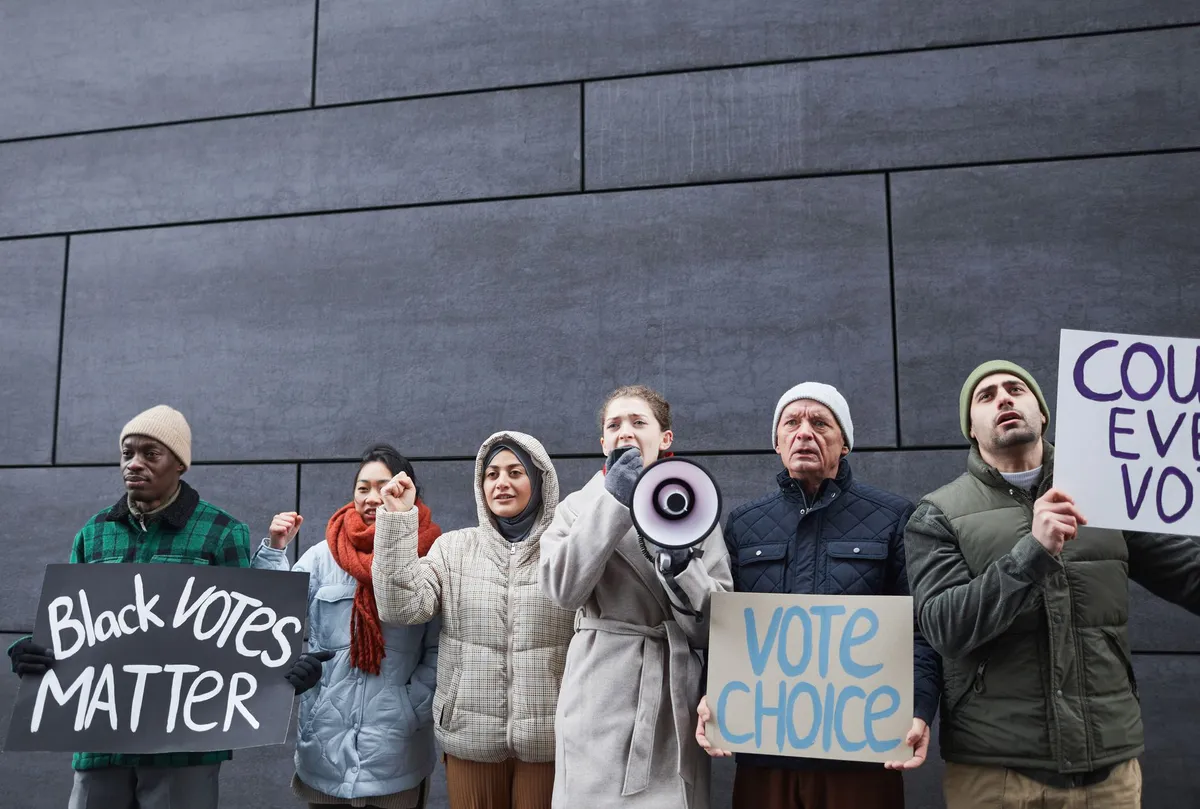
The interplay between race, ethnicity, and class identity further complicates the landscape. Data reveals that white adults are more likely than Black adults to identify as working class. Approximately 60% of white and Hispanic adults view themselves in this light, while the percentage drops to around 50% among Black and Asian adults. These disparities may reflect historical, economic, and social factors that affect class mobility and identity among different racial and ethnic groups.
As discussions surrounding class and identity evolve, understanding these nuances becomes increasingly important. The increasing recognition of the working class across various demographics suggests a potential shift in how class is perceived and engaged with in American society.

Implications for Policy and Society
As the political landscape shifts, the implications of these findings for policymakers and candidates seeking support from the working class are profound. Understanding who identifies as working class—and why—can significantly influence campaign strategies, policy proposals, and community outreach efforts.
For instance, candidates aiming to secure votes from working-class individuals must recognize the diverse backgrounds and experiences that shape their constituents' identities. This requires tailored messaging that resonates with varying socioeconomic realities and addresses the specific concerns of different demographic groups within the working class.
- Education Level: The working class comprises individuals across education levels, with those without a college degree being most likely to identify as such.
- Financial Security: Many who consider themselves working class have stable finances, suggesting a deeper emotional or cultural connection to the identity.
- Political Affiliation: Republicans are more likely than Democrats to identify as working class, with significant variations across income and education levels.
- Racial and Ethnic Factors: White and Hispanic adults are more inclined to view themselves as working class compared to Black and Asian adults.
Key Takeaways
- 60% of Americans identify as working class, reflecting a broad understanding of the term.
- The working class identity spans various educational and income groups.
- There is a significant partisan divide, with Republicans more likely to identify as working class than Democrats.
- Race and ethnicity play a crucial role in how individuals perceive their class identity.
Frequently Asked Questions
What defines the working class in America today?
The working class in America today is defined by a diverse array of factors, including education, income, occupation, and cultural perceptions. While traditionally associated with manual labor and lower income, more individuals across various backgrounds are beginning to identify with the term, reflecting a broader understanding of what it means to be working class.
How does financial stability impact class identity?
Financial stability plays a crucial role in how individuals perceive their class identity. Interestingly, many who are financially secure still consider themselves working class, indicating that class identity may be influenced by cultural values and lived experiences rather than just economic status. This suggests that the working class identity is tied to notions of hard work, community, and resilience, rather than solely to income levels.
Why is political affiliation significant in understanding working-class identity?
Political affiliation is significant in understanding working-class identity as it reveals underlying ideological divides that shape how individuals relate to economic issues and social mobility. The stark differences between Republicans and Democrats in self-identifying as working class highlight how political beliefs can influence perceptions and community engagement, impacting voting behavior and policy preferences.
What role do race and ethnicity play in working-class identification?
Race and ethnicity play a critical role in working-class identification, as different groups may have varying historical and social experiences that influence their perceptions of class. The data shows significant disparities between racial and ethnic groups in how they identify as working class, suggesting that systemic factors and cultural narratives continue to shape these identities.
Disclaimer: The content is general information and not legal advice.
Comments
Popular in Guides
- Unveiling Hidden Stars: Astronomers Discover Four New White Dwarfs
- Navigating South Carolina Rental Property Law: A Comprehensive Guide
- Understanding the Impact of Hawaii's Online Booking Fee Tax Ruling
- Lake Mead Reaches Historic Low: Understanding the Impacts of Water Scarcity
- Europe Faces Unprecedented Heat Waves: Analyzing Record June Temperatures