Europe Faces Unprecedented Heat Waves: Analyzing Record June Temperatures
June 2026 marked a historic peak in temperatures across Europe, with heat waves causing over 8,000 deaths. This article delves into the implications of this climatic crisis.
The summer of 2026 will be remembered as a pivotal moment in Europe’s climate history, with the Copernicus Climate Change Service reporting that June was the hottest month ever recorded in Western Europe. This unprecedented heat not only shattered temperature records but also resulted in over 8,000 fatalities across the continent. As nations like Great Britain, France, Germany, Scandinavia, and Spain grapple with the consequences, the implications of these extreme temperatures raise urgent questions about climate change, public health, and future preparedness.
June 2026 was not just a record-breaking month for Europe; it was the second-warmest June globally, trailing only behind June 2024, which holds the title for the hottest year recorded. The average temperature across Western Europe reached a staggering 20.74 degrees Celsius (69.33 degrees Fahrenheit), a staggering 3.05 degrees Celsius (5.49 degrees Fahrenheit) above the normal average. This shift is part of a larger trend where global temperatures are increasingly deviating from historical norms, driven primarily by human-induced climate change.

The Human Impact of Heat Waves
The consequences of June’s extreme temperatures have been dire, particularly concerning public health. According to Germany's main health institute, more than 5,000 deaths were directly linked to the heat waves. In addition, countries such as France, Spain, Belgium, and the Netherlands have reported an alarming rise in mortality rates, with estimates suggesting that the total number of heat-related deaths could exceed 8,000.
Healthcare System Strain
The influx of heat-related illnesses has placed immense pressure on healthcare systems throughout Europe. Emergency rooms have been inundated with patients suffering from heat exhaustion, dehydration, and heat strokes. Ambulance services have reported record call volumes, highlighting the urgent need for robust emergency response systems during heat waves.
Vulnerable Populations
The impact of heat waves disproportionately affects vulnerable populations, including the elderly, those with pre-existing health conditions, and low-income communities lacking access to cooling resources. Public health officials have issued warnings for at-risk groups, urging them to stay hydrated and avoid outdoor activities during peak heat hours.

Record Temperatures and Climate Change
Scientists have unequivocally stated that the record-breaking heat experienced in June 2026 would not have been possible without human-induced climate change. By burning fossil fuels at unprecedented rates, humanity has significantly altered the climate system, leading to an increase in the frequency and intensity of heat waves. Samantha Burgess, a lead climate scientist at Copernicus, emphasized the alarming trend, stating, “June 2026 underscored how profoundly the climate is changing.”
Regional Temperature Anomalies
Europe is warming at more than twice the global average, primarily due to its geographic positioning and atmospheric conditions. In June, countries like England, Denmark, and France set new records, with France experiencing its hottest day ever on June 23, when temperatures soared to an average of 29.8 degrees Celsius (85.6 degrees Fahrenheit). This sustained heat not only affects human health but also influences ecosystems, agriculture, and water resources.

Future Climate Projections
The emergence of a strong El Niño weather pattern in the Pacific Ocean has further exacerbated concerns about rising temperatures and unpredictable weather patterns. El Niño events are typically associated with warmer global temperatures and can lead to extreme weather phenomena. The Copernicus report noted that June 2026 recorded the highest global sea surface temperatures for that month, indicating a worrying trend for marine ecosystems and coastal communities.
Wildfires and Drought
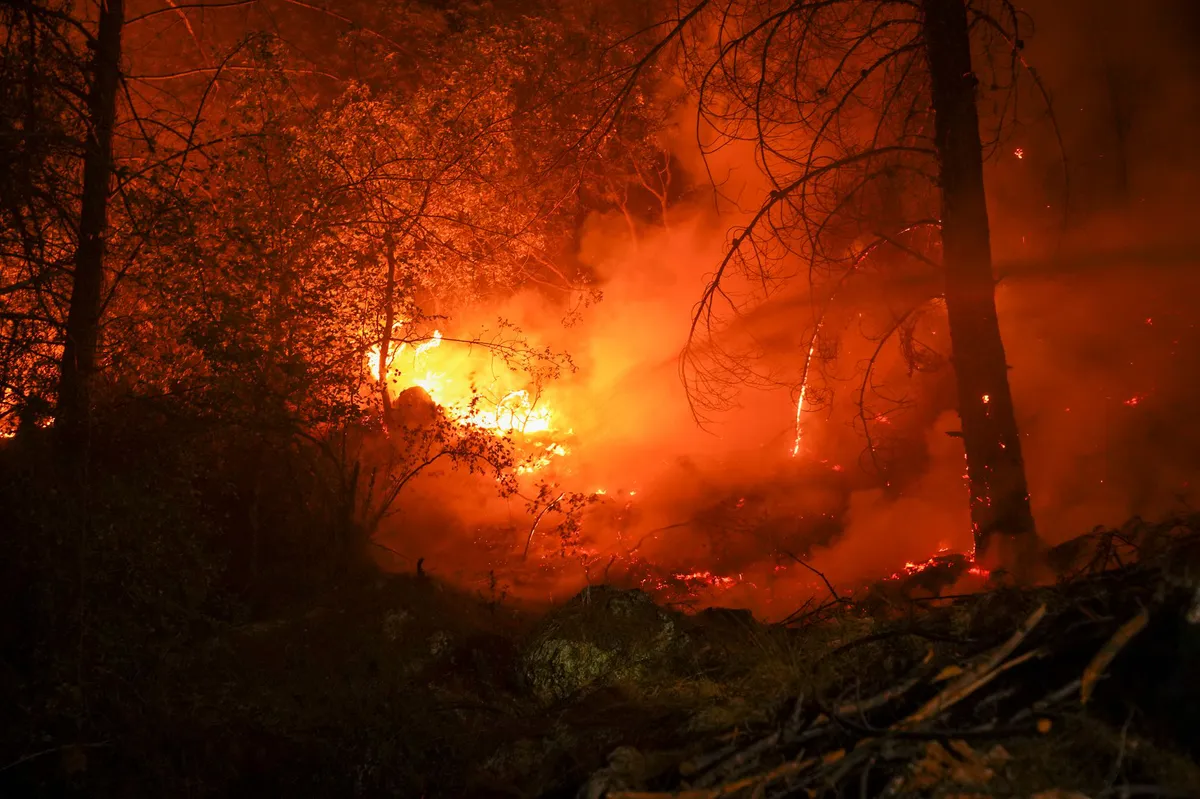
The combination of extreme heat and prolonged dryness has resulted in significant wildfires across Europe, particularly in France and Spain. These wildfires not only threaten lives and property but also contribute to air quality degradation and loss of biodiversity. The European Union has been working to implement strategies for wildfire prevention and response, recognizing the urgent need to adapt to a changing climate.
Policy Implications and Public Awareness
The events of June 2026 serve as a stark reminder of the urgent need for robust climate policies. Governments across Europe must prioritize investments in climate resilience, including infrastructure improvements, emergency preparedness, and public health initiatives aimed at mitigating the impacts of extreme heat. Additionally, public awareness campaigns can help educate citizens on the risks associated with heat waves and the importance of personal safety measures.
- Invest in Public Health: Strengthening healthcare systems to cope with heat-related illnesses.
- Emergency Preparedness: Developing comprehensive emergency response plans for heat waves.
- Climate Resilience: Enhancing infrastructure to withstand extreme weather events.
- Public Education: Raising awareness about heat safety and health risks.

Key Takeaways
- June 2026 was the hottest month on record in Western Europe, with temperatures 3.05°C above average.
- Over 8,000 deaths were linked to heat waves across Europe, highlighting public health risks.
- The strong El Niño pattern suggests further climate instability and extreme weather ahead.
- Wildfires have surged in Europe due to extreme heat and prolonged dryness.
- Urgent climate policies and public health strategies are essential to mitigate future risks.
Frequently Asked Questions
What are the primary causes of the extreme heat experienced in June 2026?
The extreme heat of June 2026 can be attributed to several factors, with human-induced climate change being the most significant. The mass burning of fossil fuels has increased greenhouse gas emissions, leading to a warmer atmosphere. Additionally, natural climate patterns such as El Niño have exacerbated these conditions, resulting in unprecedented temperature spikes.
How can individuals protect themselves during heat waves?
To stay safe during heat waves, individuals should take several precautions. It is essential to stay hydrated by drinking plenty of water, avoid strenuous outdoor activities during peak heat hours, and seek out air-conditioned spaces when possible. Vulnerable populations, such as the elderly and those with health conditions, should take extra precautions to minimize heat exposure.
What steps are governments taking to address climate change and heat waves?
Governments across Europe are increasingly recognizing the need for comprehensive climate policies aimed at reducing greenhouse gas emissions and enhancing climate resilience. This includes investing in renewable energy sources, implementing stricter regulations on emissions, and developing strategies for emergency preparedness and public health response during extreme weather events.
Will heat waves become more frequent in the future?
Yes, scientists predict that heat waves will become more frequent and intense as climate change continues to progress. The increasing global temperatures due to human activities are expected to lead to more extreme weather events, including prolonged heat waves, which will pose significant risks to public health, agriculture, and ecosystems.
This content is general information and not legal advice.
Comments
Transforming Legal Research: Filevine's New AI Citator LOIS
Filevine's innovative LOIS Legal Research tool aims to revolutionize legal research by enabling lawyers to verify specific legal passages, enhancing accuracy and efficiency in legal citation. This new technology challenges traditional research methodologies, offering a more precise approach to validating legal precedents.

Related articles

Popular in Guides
- Lake Mead Reaches Historic Low: Understanding the Impacts of Water Scarcity
- Fires and Ferns: Understanding Ancient Europe's Climate Catastrophe
- Unveiling Hidden Stars: Astronomers Discover Four New White Dwarfs
- Understanding the Impact of Hawaii's Online Booking Fee Tax Ruling
- Navigating South Carolina Rental Property Law: A Comprehensive Guide