NASA Launches Roman Space Telescope: A New Era in Cosmic Exploration
NASA's groundbreaking Roman Space Telescope is set to revolutionize our understanding of the universe. Launched aboard a Falcon Heavy rocket, this $4.3 billion telescope will explore dark energy, hunt for exoplanets, and provide a wider perspective than ever before.
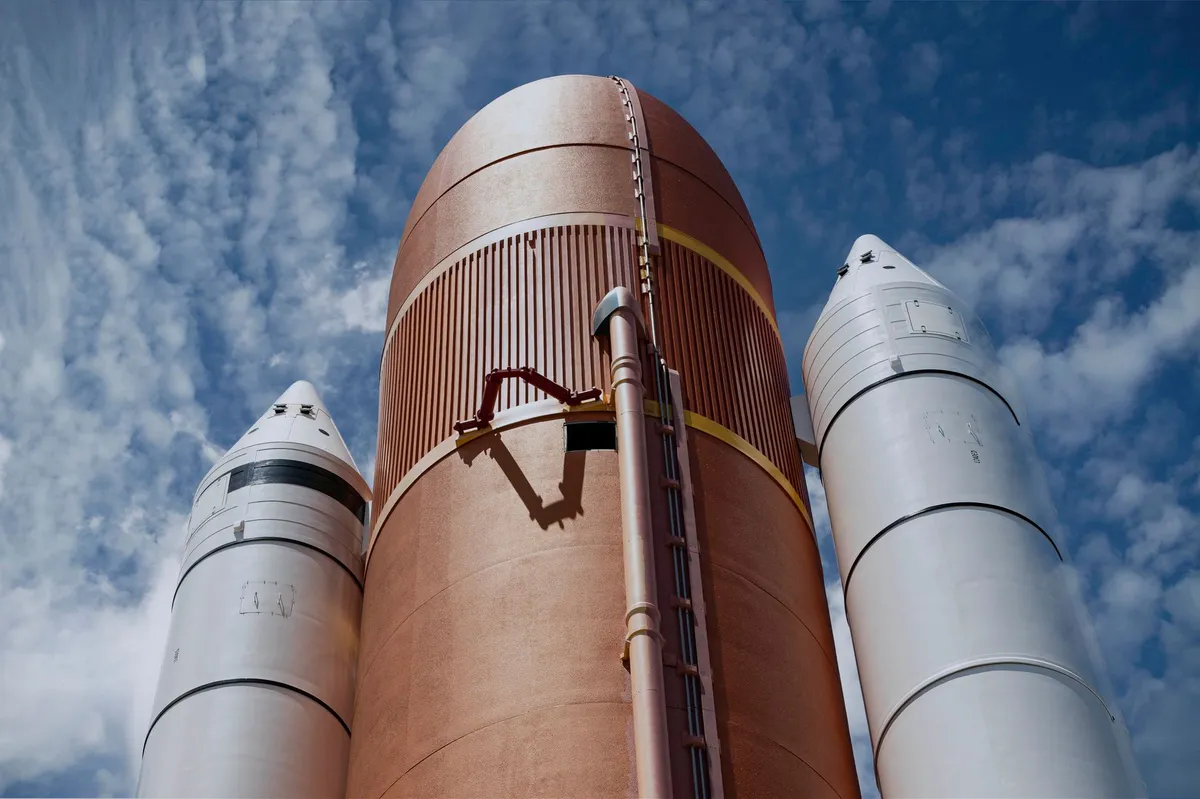
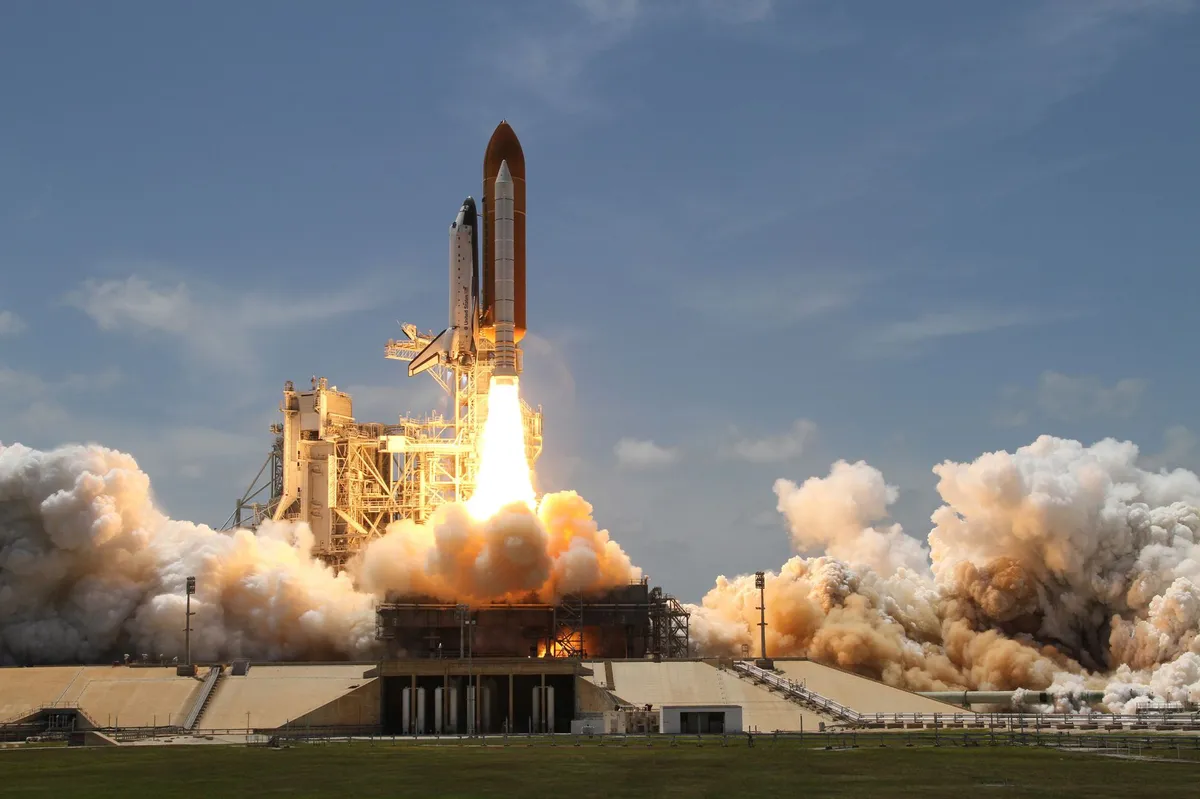
In a spectacular display of engineering and ambition, NASA has launched its newest space observatory, the Roman Space Telescope, on a mission that promises to expand our understanding of the cosmos. Lifted into the sky by SpaceX’s powerful Falcon Heavy rocket, the telescope represents a significant leap in our capability to explore the universe. With a price tag of $4.3 billion and advanced technology, the Roman Space Telescope is poised to reveal secrets of dark energy, hunt for exoplanets, and survey the universe like never before.
As the Roman Space Telescope embarks on its journey, it heads toward an observation point located approximately 1 million miles (1.6 million kilometers) from Earth, where it will join the ranks of other groundbreaking telescopes, including the Hubble Space Telescope and the recently deployed James Webb Space Telescope. With an expected travel time of over three months, the anticipation surrounding its capabilities and potential discoveries is palpable.
The Significance of the Roman Space Telescope
The Roman Space Telescope is named in honor of Nancy Grace Roman, NASA's first chief astronomer, who played a pivotal role in the agency's space science missions. This observatory is equipped with capabilities that surpass those of its predecessors, promising to uncover the universe's mysteries at an unprecedented pace. NASA science mission director Nicky Fox articulated the ambitious scope of the telescope's mission, stating, "It’s going to find thousands of supernovae, tens of thousands of planets, billions of galaxies, and tens of billions of stars." This kind of data could reshape our understanding of the universe and our place within it.
Exploring Dark Energy and Exoplanets
One of the telescope's primary objectives is to investigate dark energy, the mysterious force believed to be driving the accelerated expansion of the universe. Approximately 68% of the universe consists of dark energy, yet it remains one of the least understood aspects of cosmology. By cataloging galaxies and measuring their distances, scientists hope to gather vital information that could illuminate the nature of dark energy and its influence on cosmic expansion.
In addition to probing dark energy, the Roman Space Telescope will also search for exoplanets—planets orbiting stars outside our solar system. Its expansive field of view, which is more than 100 times wider than that of the Hubble Space Telescope, will allow it to identify a vast number of these distant worlds. The telescope's data will serve as a stepping stone for the James Webb Space Telescope, which will take a closer look at the planets discovered by Roman.
Technological Innovations that Empower Discovery
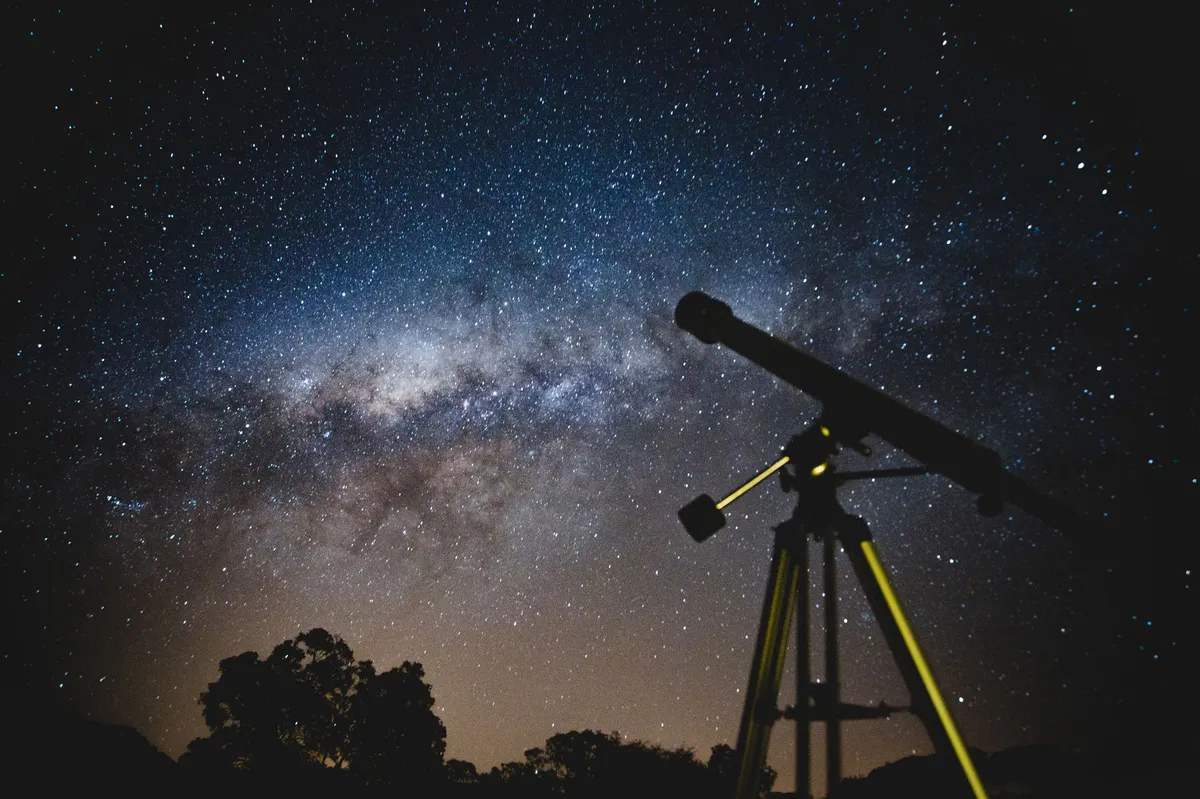
The speed of the Roman Space Telescope is one of its most impressive features. According to Julie McEnery, the senior project scientist, a month of observations of the Milky Way conducted by Roman would take Hubble a century to complete. Equipped with a wide-field infrared camera, Roman not only matches Hubble's sensitivity but also operates 1,000 times faster. This capability will enable astronomers to conduct sweeping surveys of the Milky Way and beyond with remarkable efficiency.
Innovative Instruments and Future Potential
Roman also incorporates an experimental coronagraph, designed to block out starlight. This instrument will facilitate the direct imaging of planets that may be orbiting stars obscured by bright light. While the telescope is not primarily designed to search for extraterrestrial life, its findings could pave the way for future missions aimed at answering one of humanity's most profound questions: Are we alone in the universe?
The telescope is built with longevity in mind; it is designed to be refueled, which could extend its operational life significantly if advancements in robotic refueling technology are realized over the next decade. Such a feature could allow Roman to continually contribute to astronomical research long into the future.
A Tribute to Nancy Grace Roman
NASA's decision to name this telescope after Nancy Grace Roman is not just a nod to the past but a recognition of the vital contributions women have made to science and exploration. Roman, who passed away in 2018, was a trailblazer in the field of astronomy. As the first woman to hold an executive position at NASA, she was instrumental in the development of space science and advocated for the inclusion of women in scientific fields.
Ed Weiler, a retired NASA scientist and former colleague of Roman, remarked on the significance of the telescope's name, stating, "This is very, very fitting. I think Nancy would be very proud." Roman's legacy continues as her namesake telescope embarks on a journey to answer some of the universe's most enduring questions.
Looking Ahead: The Future of Space Exploration
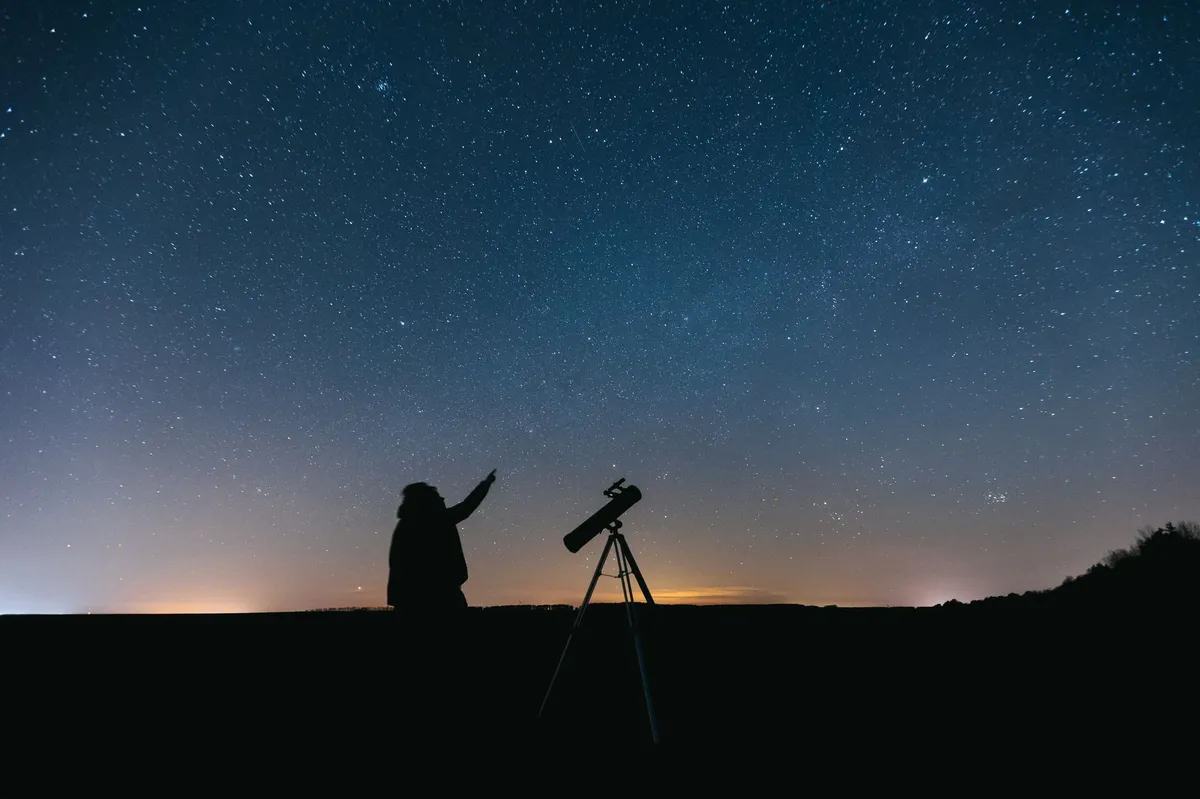
The launch of the Roman Space Telescope signals a new chapter in the quest for cosmic knowledge. As it joins forces with the Hubble and Webb telescopes, along with other international observatories like the European Space Agency’s Euclid spacecraft, the synergy created by these powerful instruments will amplify our understanding of the universe. Together, they will shed light on the nature of dark matter, dark energy, and the formation of galaxies.
In the coming years, the data collected by the Roman Space Telescope will not only enhance scientific knowledge but also fuel public interest in astronomy and inspire new generations of scientists and engineers. The telescope stands as a testament to human curiosity and our relentless pursuit of knowledge about the cosmos.
Key Takeaways
- The Roman Space Telescope is set to revolutionize our understanding of the universe, focusing on dark energy and exoplanets.
- It boasts a field of view over 100 times wider than Hubble, allowing for rapid and extensive observations.
- Equipped with advanced instruments, Roman will operate 1,000 times faster than Hubble in scanning the Milky Way.
- Its launch honors Nancy Grace Roman, the first woman to hold an executive position at NASA.
- Collaborations with other observatories will enhance our grasp of the universe’s structure and expansion.
Frequently Asked Questions
What is the primary mission of the Roman Space Telescope?
The Roman Space Telescope's primary mission is to explore dark energy, search for exoplanets, and survey the universe at an unprecedented scale and speed. Its wide field of view allows astronomers to capture vast amounts of data, which will help answer fundamental questions about the nature of the universe and its expansion.
How does the Roman Space Telescope compare to Hubble and Webb?
While Hubble and the James Webb Space Telescope have their unique strengths, the Roman Space Telescope distinguishes itself with a field of view that is over 100 times wider than Hubble's. Additionally, Roman is designed to be 1,000 times faster in capturing observations of celestial objects, making it a powerful tool for surveying the galaxy and discovering new astronomical phenomena.
Why is Nancy Grace Roman significant in the field of astronomy?
Nancy Grace Roman was a pioneering figure in astronomy, serving as NASA's first chief astronomer and advocating for the inclusion of women in science. Her contributions were instrumental in the establishment of space science missions, and she is often referred to as the "Mother of Hubble" for her role in developing that iconic telescope. Naming the Roman Space Telescope after her honors her legacy and encourages the next generation of scientists.
What potential discoveries can we expect from the Roman Space Telescope?
The Roman Space Telescope is expected to make groundbreaking discoveries related to dark energy, exoplanets, and the formation of galaxies. By cataloging millions of galaxies and measuring their distances, scientists hope to gain insights into the universe's expansion and the nature of dark energy, as well as identify new exoplanets for further study by other telescopes.
Disclaimer: This content is general information, not legal advice.
Comments
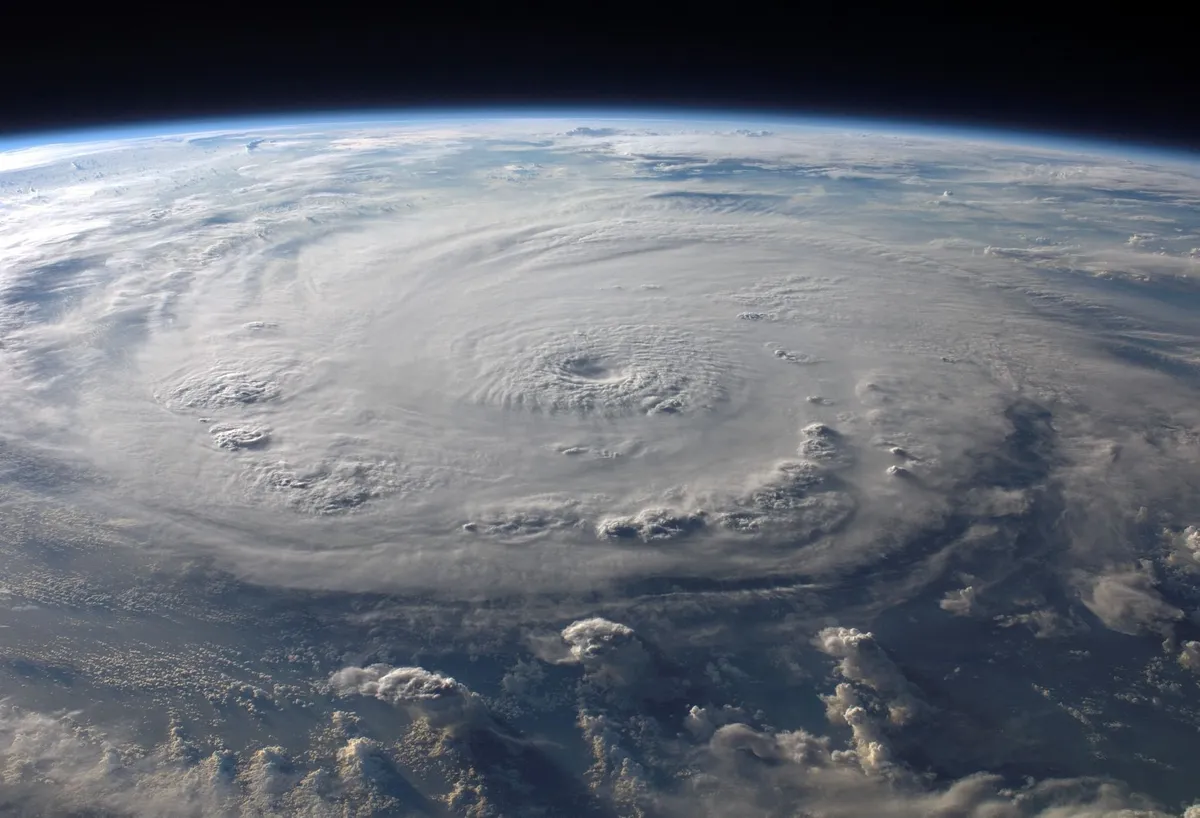
Tropical Storm Karina Upgraded to Hurricane Status in the Pacific
Tropical Storm Karina has intensified into a hurricane with potential for major storm development this week. While currently far from land, its effects could still be felt along parts of the Mexican coast.
Related articles
Popular in Guides
- Lake Mead Reaches Historic Low: Understanding the Impacts of Water Scarcity
- Fires and Ferns: Understanding Ancient Europe's Climate Catastrophe
- Unveiling Hidden Stars: Astronomers Discover Four New White Dwarfs
- Understanding the Impact of Hawaii's Online Booking Fee Tax Ruling
- Navigating South Carolina Rental Property Law: A Comprehensive Guide