Transforming Plastic Waste into Edible Solutions: The Future of Food
Scientists at Southern Illinois University are pioneering a method to convert plastic waste into edible, protein-rich foods using yeast. This innovative process aims to combat both plastic pollution and global food security challenges.
In a groundbreaking development that intertwines environmental sustainability with food innovation, researchers from Southern Illinois University (SIU) have created a method to transform plastic waste into edible food products. While the idea of consuming cookies made from plastic may initially provoke skepticism, the implications of this research could be monumental in addressing two of the most pressing challenges of our time: plastic pollution and food security. In a presentation at the fall meeting of the American Chemical Society in Chicago, these researchers unveiled their process, which leverages microbes to convert polyethylene terephthalate (PET)—a common plastic found in water bottles—into nutritious food ingredients.
As global food demand is projected to rise between 35% and 56% by 2050, with an estimated 30% of the world population facing hunger, this innovative approach offers a dual solution. Professor Lahiru Jayakody, the lead researcher, emphasizes the urgency of utilizing microbes to tackle these intertwined issues. “The way to address that,” he asserts, “is by using microbes.”
The Science Behind the Process
The process developed by the SIU team is rooted in a method called oxidative hydrothermal dissolution, which utilizes water and oxygen at high temperatures and pressures to break down tough materials, such as plastic and agricultural waste. This technique was pioneered by Ken Anderson, another faculty member at SIU. The resultant smaller pieces of material are then fed to specially programmed yeast, which are capable of reforming these pieces into proteins, fats, vitamins, and flavor molecules.
In this approach, the researchers are not merely repurposing waste but are innovating in the food production arena. The end product, dubbed “µBites” (microbites), incorporates not just the transformed plastic but also additional ingredients like fiber, starch, and sweeteners, which are combined and shaped using 3D printing technology. This method not only makes the food visually appealing but also allows for customization based on dietary needs.
Microbial Factories: A Sustainable Solution
Microbes have long been utilized in various industries as miniature factories capable of producing a wide array of substances. For instance, insulin, a critical medication for diabetes management, is produced using genetically engineered yeast. In the case of µBites, the researchers have harnessed the power of these microorganisms to convert plastic waste into edible proteins.
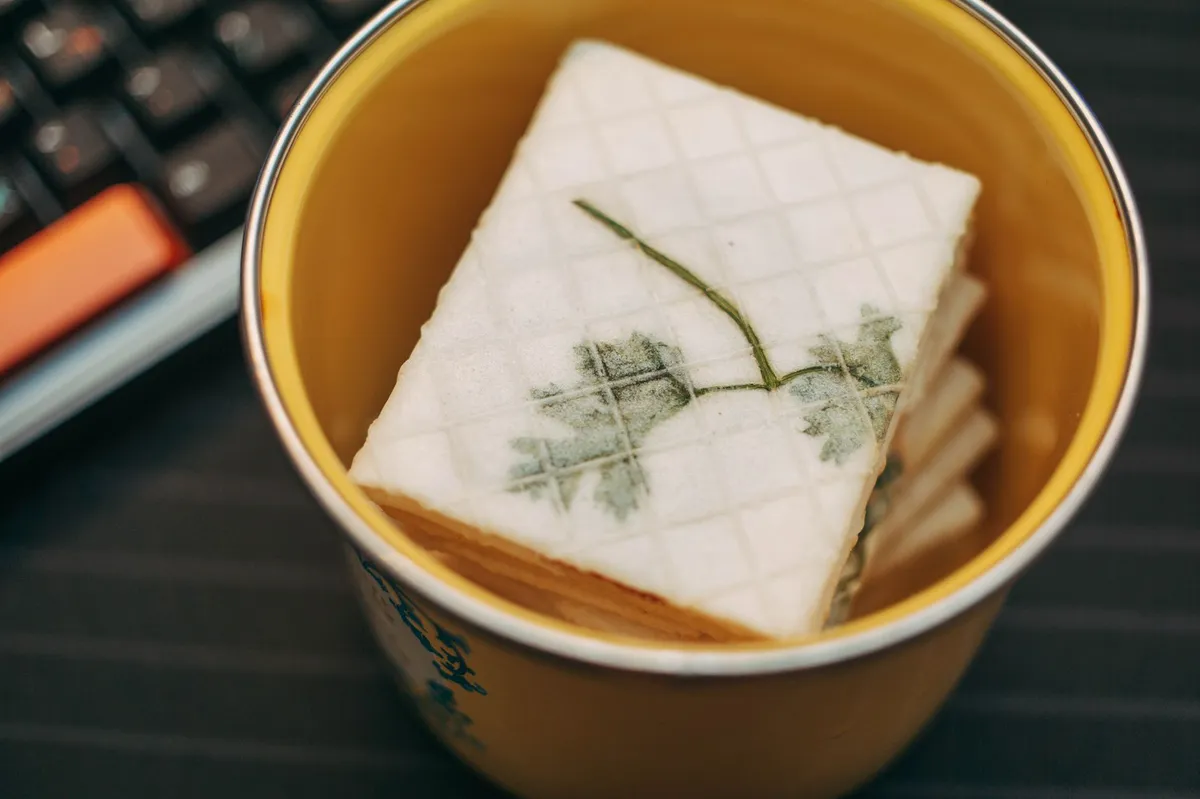
Graduate student Sandhya Jayasekara expressed the goal of making this product more consumer-friendly, indicating that the cookies, while still in the proof-of-concept stage, are technically safe for consumption. Participants in initial studies have reported that the cookies smell appealing, and some even stated they would be willing to try them if faced with food scarcity.
Addressing Food Security and Environmental Issues
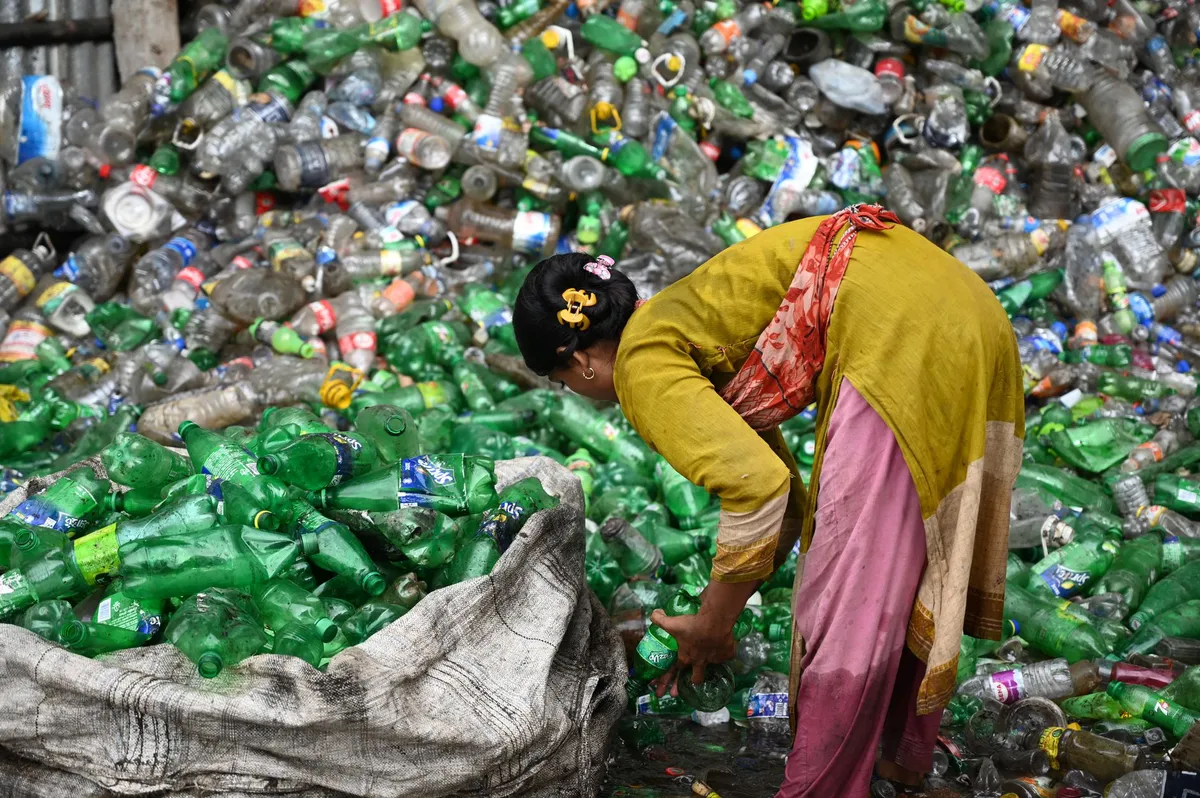
The dual challenge of feeding an expanding global population while simultaneously tackling environmental degradation due to plastic pollution is daunting. The United Nations projects that the world population will reach nearly 10 billion by 2050, with food production needing to scale dramatically to meet this demand. Concurrently, plastic pollution is set to triple in the coming decades, with an estimated 11 million tons of plastic entering the oceans each year.
By utilizing a method that repurposes plastic into food, this research could help mitigate both crises. Jayakody highlights the flexibility of the microbial transformation process, suggesting it can be scaled for mass food production or adapted for use in confined spaces such as spacecraft or submarines. This adaptability is particularly relevant given ongoing discussions about food sustainability in extreme environments, such as during long-duration space missions.
Challenges and Future Prospects
Despite the promising framework of this research, several challenges remain before µBites can become a regular part of our diets. The research is still in its early stages, and comprehensive safety testing is required before any taste tests can be conducted. While researchers assert that the cookies are technically safe to eat, they are currently awaiting further approvals.
Moreover, Jayakody acknowledges the public's hesitation regarding the consumption of products derived from plastic. “You are eating micro- and nano-plastics every day,” he explains, referencing the pervasive presence of plastics in our food systems. Nonetheless, the transformation of these plastics into a form that provides essential nutrients could represent a vital shift in how we view waste and food production.
Key Takeaways
- Researchers at Southern Illinois University are converting plastic waste into edible foods using yeast.
- This innovative process aims to reduce plastic pollution while addressing future food security challenges.
- The resulting product, called µBites, is in the proof-of-concept stage and could potentially be used in resource-limited environments.
- Microbial transformation offers a scalable solution for mass food production and adaptability for extreme conditions.
- Further safety testing and public acceptance are crucial for the success of this initiative.
Frequently Asked Questions
What are µBites and how are they made?
µBites are a new food product created by researchers that utilize a process to convert plastic waste, specifically polyethylene terephthalate (PET), into edible ingredients. This is achieved through oxidative hydrothermal dissolution, where plastic and agricultural waste are broken down and then processed by specially programmed yeast to reform them into proteins, fats, and other nutrients. The final mixture is then enhanced with additional ingredients like fiber and starch before being 3D printed into cookie-like shapes.
How does this research contribute to solving plastic pollution and food shortages?
This innovative research presents a dual solution by repurposing plastic waste into food, helping to address the growing crisis of plastic pollution while also contributing to food security. As global food demand is set to increase significantly, this method could provide a sustainable source of nutrition by transforming waste into valuable food products, potentially reducing the amount of plastic that ends up in landfills and oceans.
What are the potential health implications of consuming food made from plastic waste?
While the researchers assert that µBites are technically safe to eat, the consumption of food derived from plastic raises valid health concerns. The process aims to convert harmful plastic particles into nutritious components, but extensive safety testing is needed to ensure that these foods do not carry any toxic residues. As with any novel food technology, public acceptance and thorough regulatory review will be necessary before µBites can be widely introduced into the market.
When might µBites be available for public consumption?
Currently, µBites are in the proof-of-concept stage, and researchers are awaiting further approvals for safety testing before conducting taste tests. While the timeline for public availability is uncertain, researchers are optimistic that within a few years, µBites could be ready for consumption, particularly in resource-limited environments such as space missions or disaster relief scenarios.
This article provides general information and is not legal advice.
Comments
Reimagining History: Should We Forget the Past to Embrace the Present?
As America marks its 250th anniversary, a provocative idea emerges: should we cast aside our historical narratives? This article explores the implications of such a radical approach, weighing the pros and cons of ignoring our past.

Related articles

Popular in Guides
- Lake Mead Reaches Historic Low: Understanding the Impacts of Water Scarcity
- Fires and Ferns: Understanding Ancient Europe's Climate Catastrophe
- Unveiling Hidden Stars: Astronomers Discover Four New White Dwarfs
- Understanding the Impact of Hawaii's Online Booking Fee Tax Ruling
- Navigating South Carolina Rental Property Law: A Comprehensive Guide