Tropical Storm Moke Threatens Hawaii with Heavy Rain After Hurricane Lala
Tropical Storm Moke is bringing heavy rainfall to Hawaii, particularly impacting the Big Island still recovering from Hurricane Lala. Communities are urged to prepare for potential flooding and mudslides.

The aftermath of Hurricane Lala has left Hawaii in a precarious position, and now Tropical Storm Moke threatens to exacerbate the situation. As Moke swirls past the islands, its potential for heavy rainfall looms large, particularly over the already battered Big Island. With recovery efforts still ongoing from the recent hurricane, the urgency for residents to prepare for more severe weather has never been more critical.
On Sunday morning, the National Hurricane Center reported that Moke was located approximately 310 miles south of Hilo, Hawaii. The storm had maximum sustained winds of around 45 mph, but what is of greater concern for local residents is the heavy rain that is predicted to accompany the storm. Areas that have already experienced significant damage from Hurricane Lala are particularly vulnerable to further flooding and mudslides as Moke approaches.

Impact of Tropical Storm Moke
Forecasters are warning that Moke could bring up to 10 inches of rain across the Big Island, with isolated areas potentially receiving as much as 15 inches. Such rainfall amounts can lead to life-threatening conditions, especially in regions that are prone to flooding and mudslides due to their steep terrain. The windward and southeastern slopes of the Big Island are expected to be the hardest hit.
Rainfall Projections
- Big Island: Up to 10 inches, with isolated areas up to 15 inches
- Eastern Maui: Expected to receive up to 6 inches
- Other islands: Anticipated rainfall of 1-2 inches
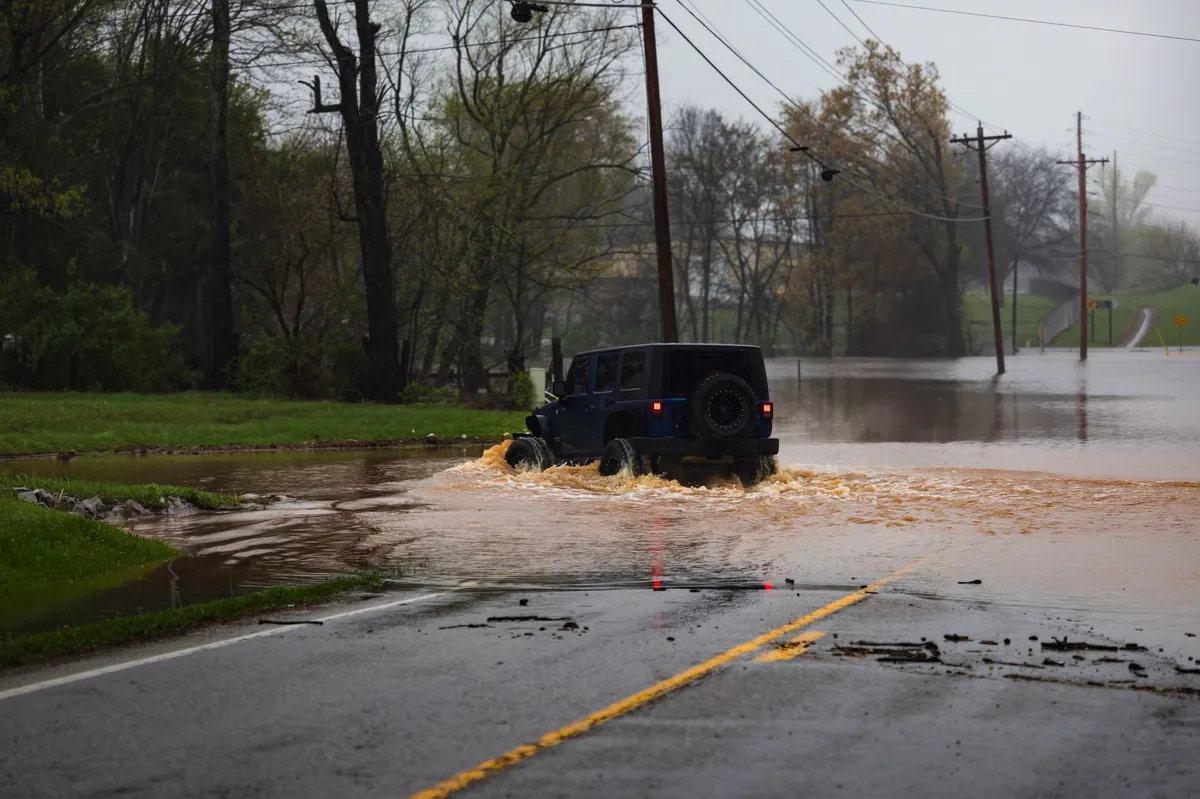
The consequences of such heavy rainfall cannot be understated. In the wake of Hurricane Lala, which caused significant damage and resulted in two reported fatalities, any additional flooding could severely hinder recovery efforts and pose serious risks to life and property.
Previous Damage from Hurricane Lala
Hurricane Lala had already left its mark on the Big Island, with the northeast coast recording a staggering 43.54 inches of rainfall. This deluge caused extensive damage, including downed trees, power lines, and mudslides, disrupting daily life for many residents. As of Sunday, over 6,700 customers, primarily on the Big Island, remained without electricity, showcasing the storm's lasting impact on infrastructure.
Community Responses
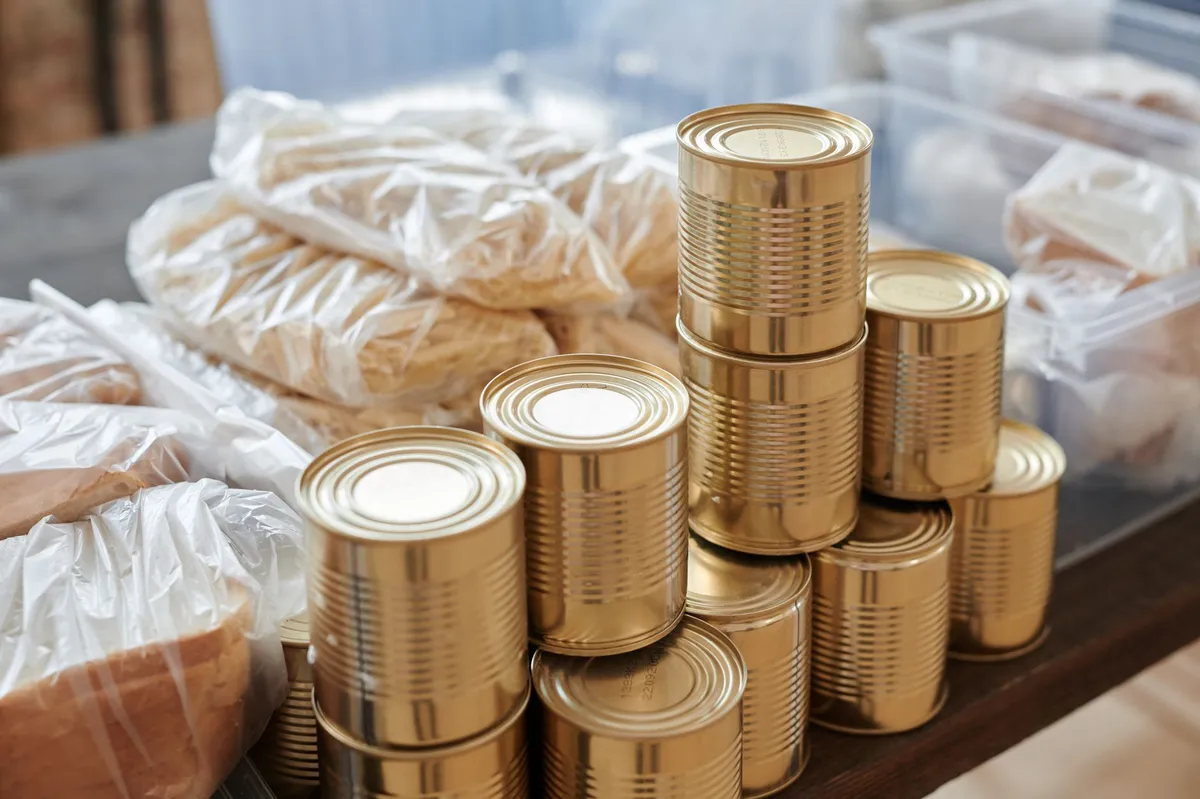
In light of Moke's approach, Hawaii's Governor Josh Green has urged residents to take precautions, advising them to stock up on essential supplies such as food and medicine. During a news conference, state officials emphasized the importance of being prepared, particularly for those living in areas previously affected by Lala.
“There’s definitely tension in the air,” noted Tiffany Edwards Hunt, a teacher from Keaau on the east side of the Big Island. Her sentiments reflect the general anxiety in communities still reeling from the previous hurricane, now facing another potential disaster.
Historical Context: Hawaii and Tropical Storms
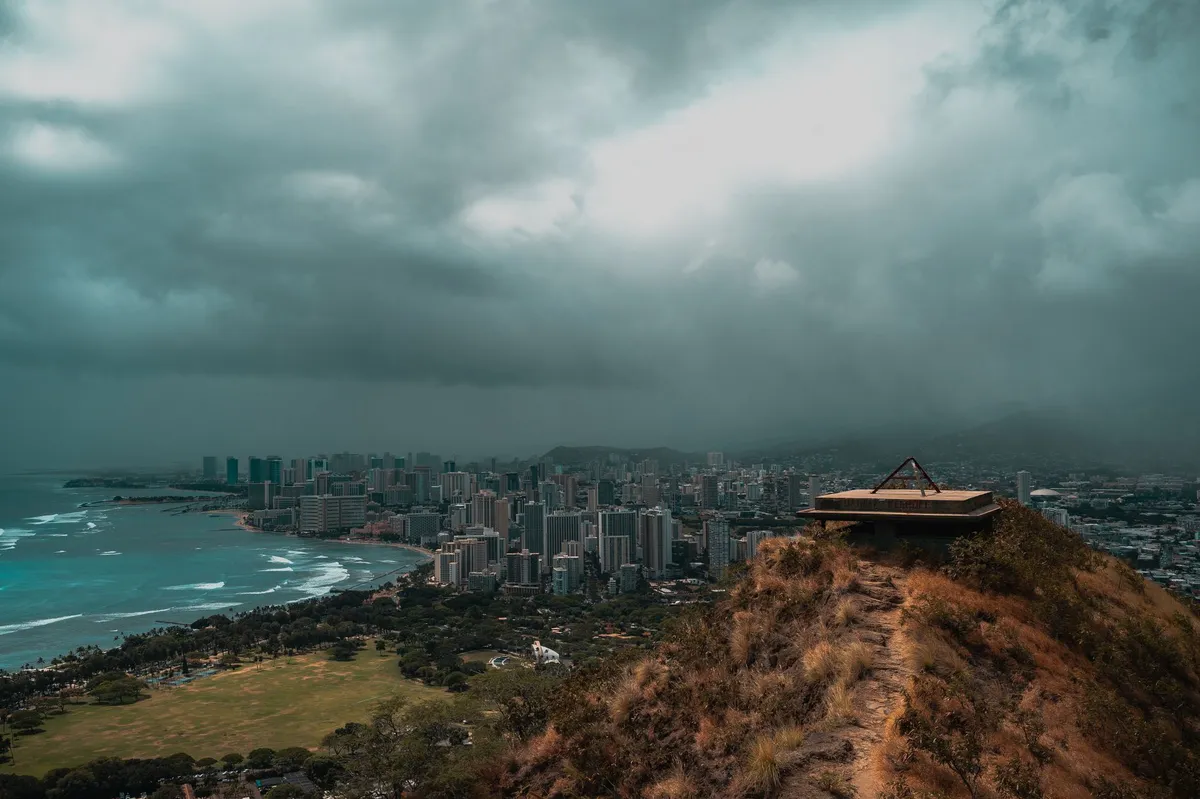
Tropical storms and hurricanes are not uncommon in Hawaii, given its geographical position in the Pacific Ocean. However, the frequency and intensity of storms have raised concerns about climate change and its impact on weather patterns in the region. The state has had to adapt to an increasing number of severe weather events, which complicates both disaster preparedness and recovery.
Preparedness Measures
Historically, Hawaii has implemented comprehensive storm preparedness measures, including public awareness campaigns and emergency response plans. However, as storms become more severe, residents are encouraged to take personal accountability for their safety:
- Stay informed about storm updates through local news and the National Weather Service.
- Prepare an emergency kit that includes water, non-perishable food, medications, and essential documents.
- Have a family communication plan in place in case of evacuation.
Looking Ahead: What to Expect
As Tropical Storm Moke continues its westward trajectory, the focus will remain on its rainfall potential and the resulting impacts on the Big Island and other neighboring islands. While there are currently no coastal watches or warnings in effect, the situation remains fluid, and residents are urged to stay vigilant and ready to respond to changing conditions.
In summary, the dual threat of recovery from Hurricane Lala and the impending rainfall from Tropical Storm Moke creates a challenging environment for many in Hawaii. It is a stark reminder of the resilience of communities faced with natural disasters and the importance of preparedness in mitigating potential damage.
Key Takeaways
- Tropical Storm Moke is expected to bring heavy rainfall to Hawaii, particularly the Big Island.
- Areas affected by Hurricane Lala are at increased risk for flooding and mudslides.
- Residents are urged to prepare emergency supplies and stay informed about storm updates.
Frequently Asked Questions
What should residents do to prepare for Tropical Storm Moke?
Residents should begin by stocking up on essential supplies such as food, water, and medications. It's also advisable to have an emergency kit ready, which includes flashlights, batteries, and first aid supplies. Monitoring local news and weather updates is crucial, as conditions can change rapidly.
How does heavy rainfall cause mudslides?
Heavy rainfall can saturate the ground, making it unstable, especially in steep or hilly areas. When the soil becomes too saturated, it can no longer hold together, leading to mudslides that can destroy property and pose serious risks to life. This is particularly concerning in areas that have already experienced disruption from previous storms.
What are the impacts of power outages during storms?
Power outages can have significant impacts during storms, as they can disrupt communication, access to essential services, and safety systems. In the aftermath of Hurricane Lala, many residents on the Big Island faced prolonged power outages, complicating recovery efforts and making it challenging for residents to receive critical information.
How can communities support each other during storms?
Community support is vital during storms. Neighbors can help by checking in on one another, sharing resources, and organizing local preparedness efforts. Community centers often serve as hubs for information and assistance, so residents should know where to find help if needed.
This content is general information and not legal advice.
Comments
Transforming Plastic Waste into Edible Solutions: The Future of Food
Scientists at Southern Illinois University are pioneering a method to convert plastic waste into edible, protein-rich foods using yeast. This innovative process aims to combat both plastic pollution and global food security challenges.

Related articles
Popular in Guides
- Lake Mead Reaches Historic Low: Understanding the Impacts of Water Scarcity
- Fires and Ferns: Understanding Ancient Europe's Climate Catastrophe
- Unveiling Hidden Stars: Astronomers Discover Four New White Dwarfs
- Understanding the Impact of Hawaii's Online Booking Fee Tax Ruling
- Navigating South Carolina Rental Property Law: A Comprehensive Guide