Minneapolis Seeks Election Judges for Upcoming Early Voting
Minneapolis is actively recruiting election judges to ensure a smooth early voting process. The need arises from recent court rulings highlighting the importance of bipartisan involvement in elections.
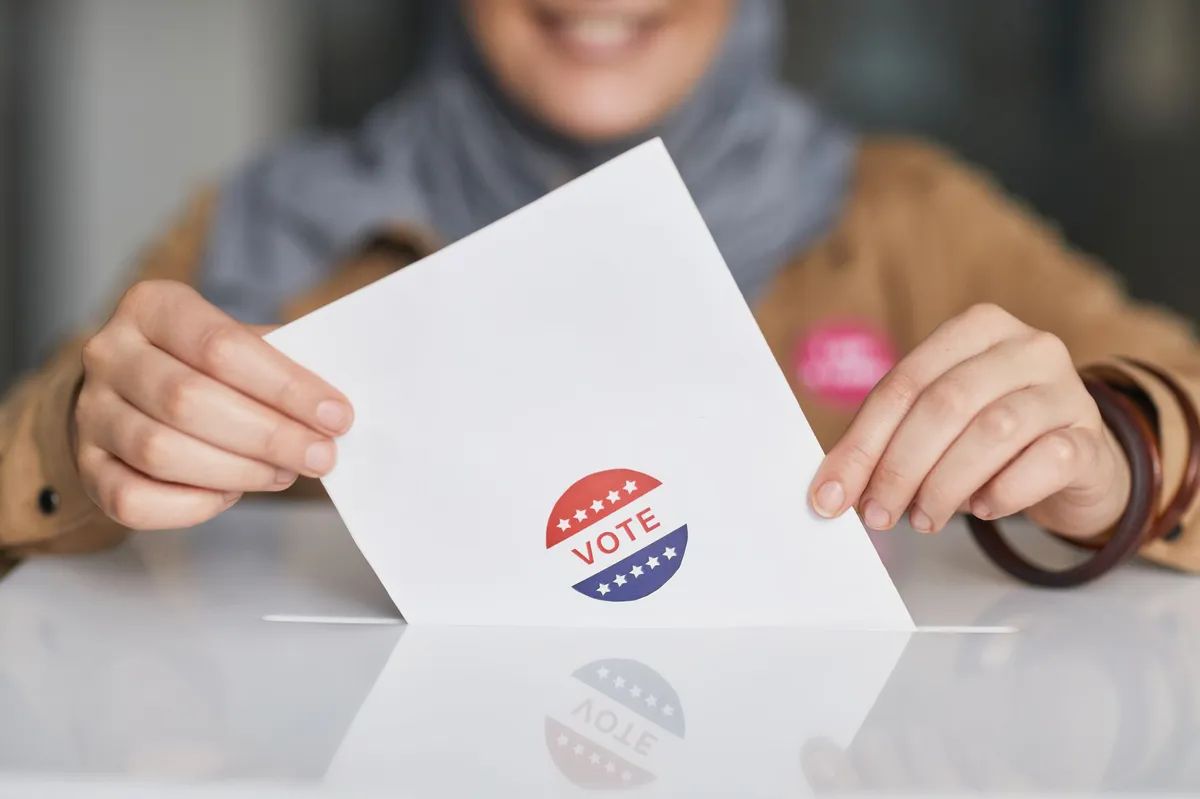
As early voting approaches in Minneapolis, the city is calling on residents to step up as election judges to ensure a transparent and efficient electoral process. With the critical role that election judges play in maintaining the integrity of our democratic system, this recruitment drive highlights the importance of having a diverse and bipartisan group overseeing the voting process. The recent legal rulings have underscored the necessity for a well-staffed and balanced election workforce, particularly during the pivotal early voting period.
Election judges are responsible for managing polling places, verifying voter registrations, and ensuring that all election laws are followed. Their role is vital in providing voters with a smooth experience while safeguarding against potential irregularities. The Minneapolis election office is particularly focused on attracting a wide array of candidates to reflect the community's diversity and promote trust in the electoral process.
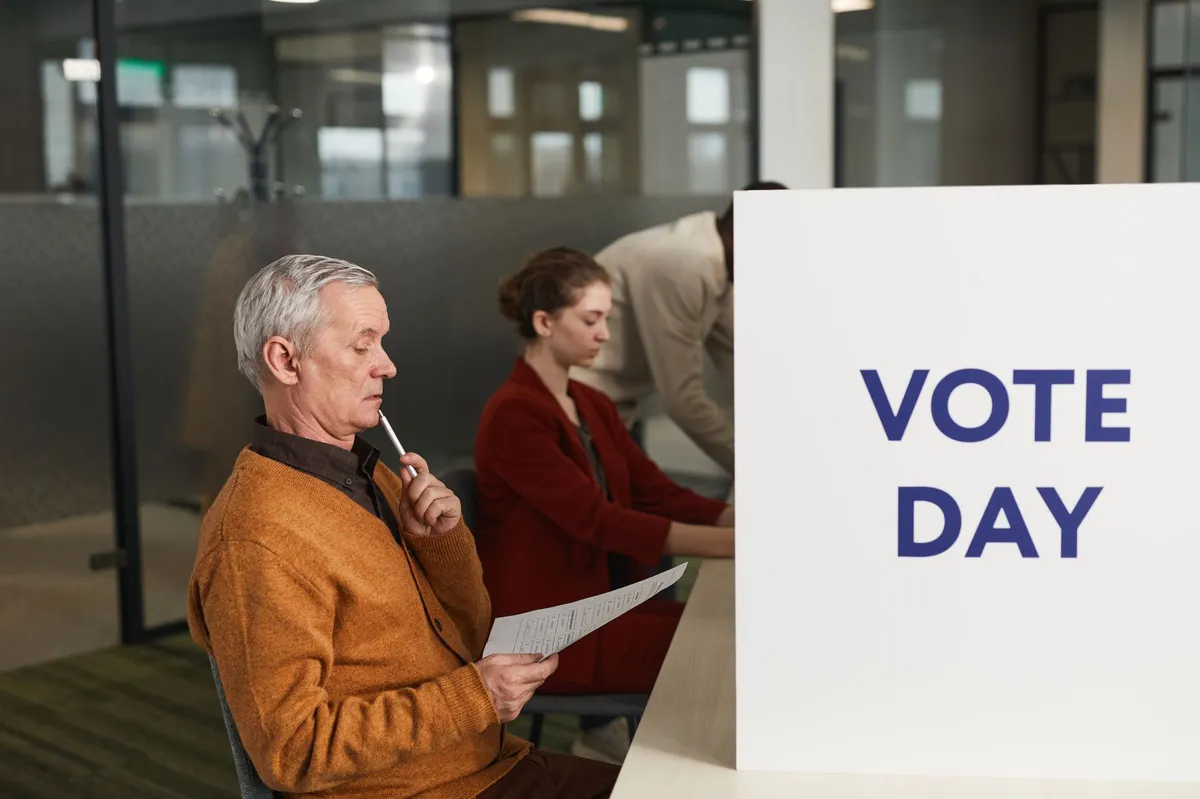
Understanding the Role of Election Judges
Election judges, also known as poll workers, serve as the backbone of the electoral process. Their duties include:
- Setting up and taking down the polling place.
- Registering voters and providing ballots.
- Monitoring the voting equipment.
- Explaining how to vote to those who need assistance.
- Counting ballots and reporting results after polls close.
These responsibilities are crucial, especially in a time when many voters may have questions or concerns about the voting process. By ensuring that election judges are trained and ready to assist, cities can help foster a more informed electorate.
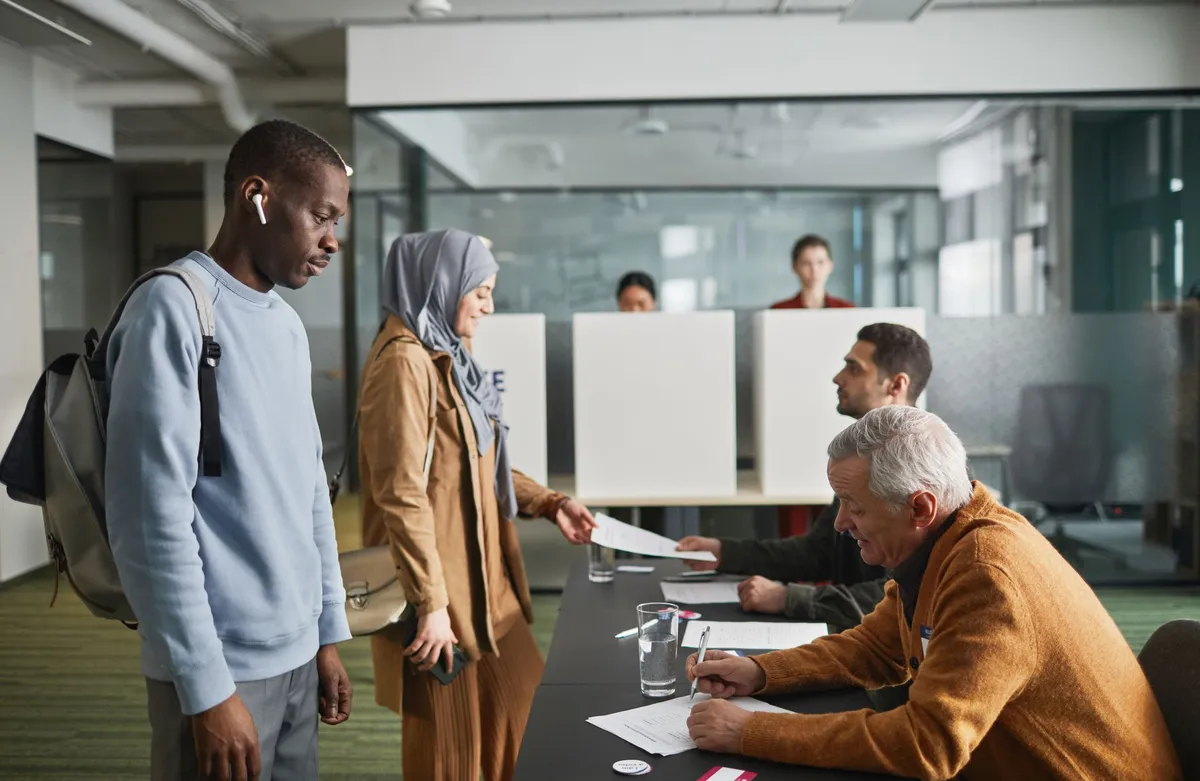
The Legal Context and Its Implications
The recent court ruling that emphasized the need for bipartisan election judges stems from concerns about election integrity in Minneapolis. The Minnesota Supreme Court's decision has implications not just for the upcoming elections but for the future of electoral processes in the state. The ruling highlights the importance of having judges from both major political parties to mitigate any perceived bias and enhance public confidence in the electoral system.
This legal backdrop makes the recruitment of election judges even more urgent. Without a sufficient number of judges, the city risks being unable to conduct early voting effectively, which could disenfranchise voters and lead to longer wait times at polling places.
How Residents Can Get Involved
Minneapolis residents interested in becoming election judges have several options for involvement. The city is actively seeking volunteers who can commit to working for a part of the election period, especially during early voting. Here’s how individuals can participate:
- Apply Online: Individuals can fill out an application on the city’s election website.
- Attend Training Sessions: Once accepted, prospective judges will undergo training to familiarize themselves with election procedures.
- Work Flexible Hours: Judges can choose shifts that fit their schedules, making this a flexible opportunity for many.
Becoming an election judge not only serves the community but also provides a unique opportunity to learn more about the electoral process and engage with fellow citizens.
Why This Matters for Voters
The recruitment of election judges is critical for several reasons. First, it ensures that voters have access to a properly managed polling place, which is essential for a smooth voting experience. Second, the presence of bipartisan judges helps to maintain public trust in the electoral process, as voters can feel assured that their rights are being protected by a balanced oversight body.
Moreover, with the growing concerns about election security and integrity, having a well-prepared and diverse group of election judges can help alleviate fears and ensure that the democratic process is upheld. Voter confidence is crucial for participation rates, and the presence of well-trained judges can significantly influence voters’ perceptions of the electoral process.
Key Takeaways
- Minneapolis is actively seeking election judges for early voting.
- Bipartisan representation among election judges is essential for maintaining election integrity.
- Residents can apply online and participate in training to become judges.
- The presence of trained judges enhances voter confidence and streamlines the voting process.
Frequently Asked Questions
What qualifications do I need to become an election judge?
To serve as an election judge in Minneapolis, candidates must be at least 18 years old, a U.S. citizen, and a resident of Minnesota. Additionally, they should not be a candidate on the ballot or closely related to a candidate. Training will be provided to ensure judges understand their roles and responsibilities.
How much do election judges get paid?
Election judges in Minneapolis receive compensation for their time, typically ranging from $12 to $18 per hour, depending on the role and responsibilities. This pay is designed to recognize the important contribution that judges make to the electoral process, and it can be an excellent opportunity for individuals looking to earn extra income while serving their community.
Can I volunteer as an election judge if I have a full-time job?
Yes! The scheduling for election judges is flexible, and many judges work part-time or during hours that accommodate their full-time jobs. This makes it an ideal opportunity for those who want to contribute to their community without sacrificing their other commitments.
What happens if there aren’t enough election judges?
If there aren’t enough election judges, the city may face challenges in managing polling places, which could lead to long lines and delays for voters. In extreme cases, it could result in the inability to conduct early voting, which would disenfranchise voters and undermine the electoral process. Ensuring a sufficient number of judges is crucial to maintaining the integrity and efficiency of elections.
This content is general information and not legal advice.
Comments
Unveiling Early Branding Through Ancient Pottery Discoveries
Recent research reveals that branding dates back to 3,200 years ago with pottery from Qurayyah, showcasing early trade and cultural exchange in the Bronze Age.

Related articles
Popular in Guides
- Lake Mead Reaches Historic Low: Understanding the Impacts of Water Scarcity
- Fires and Ferns: Understanding Ancient Europe's Climate Catastrophe
- Unveiling Hidden Stars: Astronomers Discover Four New White Dwarfs
- Understanding the Impact of Hawaii's Online Booking Fee Tax Ruling
- Navigating South Carolina Rental Property Law: A Comprehensive Guide