Unveiling Early Branding Through Ancient Pottery Discoveries
Recent research reveals that branding dates back to 3,200 years ago with pottery from Qurayyah, showcasing early trade and cultural exchange in the Bronze Age.
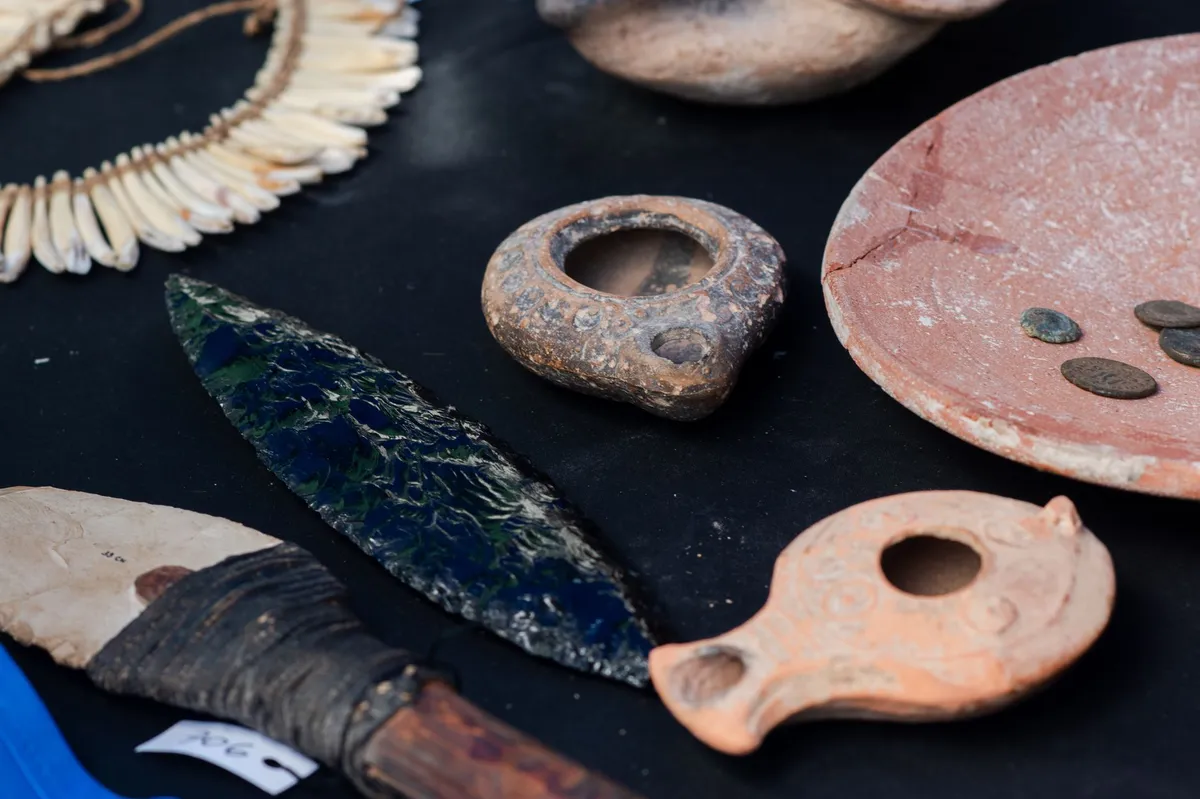
Branding, a term often associated with modern marketplaces and corporate identities, may have ancient roots that stretch back thousands of years. Recent archaeological findings from a site in northwestern Arabia shine a light on the sophisticated trade and cultural exchange practices of Bronze Age communities, revealing that even in antiquity, distinctive products were recognized and sought after across vast distances.
Researchers have traced the origins of a unique style of pottery, previously known as ‘Midianite Pottery,’ to the oasis of Qurayyah, where artisans were creating these vessels around 3,200 years ago. This remarkable discovery not only highlights the aesthetic and functional aspects of ancient craftsmanship but also suggests early forms of branding that resonate with contemporary practices.
The Significance of Qurayyah Pottery
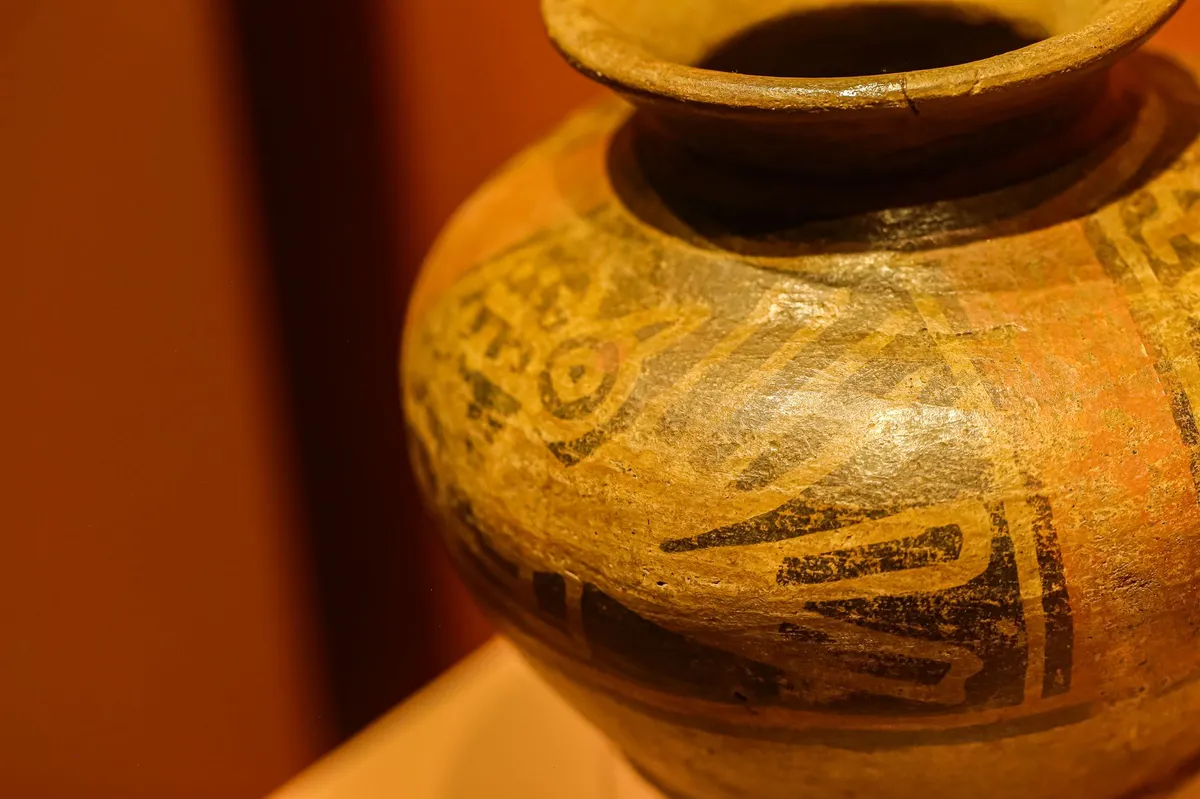
Pottery from Qurayyah represents a significant cultural artifact that demonstrates the complexity of social and economic interactions in the region. The study published in the journal PLOS One outlines how this pottery became distinctive enough to be traded hundreds of kilometers away, reaching locations such as the southern Levant and northern Arabia.
This pottery, characterized by vibrant images of animals and human rituals, was not only functional but also served as a medium of cultural expression. The ability of artisans to create recognizable and desired products reflects an early understanding of brand identity, where a product’s appearance and craftsmanship conveyed value and quality.
Research Methodology and Findings
Led by archaeologist Marta Luciani from the University of Vienna, the research involved a multidisciplinary approach to analyze the pottery. The team established criteria to identify branding in ancient artifacts, which included:
- Recognizable Appearance: Unique designs that differentiated the pottery from others.
- Consistency in Materials: Use of similar types of clay and glaze across different vessels.
- Centralized Production: Evidence of a specific location where the pottery was crafted.
- Trade Networks: Distribution of the pottery to regions beyond the local area.
- Imitation: Other communities attempting to replicate the distinctive designs.
- Cultural Reputation: Recognition of the pottery’s quality and desirability.
Using advanced techniques like microscopic analysis and chemical composition studies, researchers connected the pottery to its origins in Qurayyah and traced its evolution over time. The findings revealed that pottery production persisted for approximately 1,000 years after its initial creation, extending into the Iron Age.
Community Resilience and Resourcefulness
The success of the Qurayyah pottery tradition becomes even more impressive considering the environmental challenges faced by its creators. The oasis location presented limited access to essential resources such as clay, water, and fuel. Yet, the artisans were able to innovate and maintain a vibrant pottery culture.
Doralice Klainscek, a doctoral candidate and co-author of the study, emphasized the adaptability of these communities: “Our most striking discovery was ascertaining that painted pottery production continued, by constantly evolving.” This adaptability not only allowed them to thrive locally but also enabled them to reach markets far beyond their immediate surroundings.
Implications for Understanding Trade and Culture
The findings from Qurayyah provide valuable insights into the dynamics of trade and cultural exchange during the Bronze Age. The existence of a recognizable product that was sought after across long distances indicates a complex network of economic relationships. It showcases how local communities, despite geographic and resource limitations, could participate in broader trade networks.
This research also challenges previously held notions that marginalized communities were isolated or disconnected from larger economic systems. Instead, it highlights the interconnectedness of ancient societies and their ability to innovate and adapt within their environments.
Legacy of Qurayyah Pottery
The legacy of Qurayyah pottery extends beyond its immediate historical context. It serves as a testament to human creativity and the quest for identity through material culture. The ceramics produced in this oasis not only fulfilled practical needs but also embodied the cultural narratives of the communities that created them.
As researchers continue to explore the implications of these findings, the story of Qurayyah pottery remains a powerful reminder of the enduring impact of branding and cultural expression throughout history. It illustrates how even in the most challenging circumstances, human ingenuity can lead to the creation of products that resonate across time and space.
Key Takeaways
- Qurayyah pottery dates back 3,200 years and showcases early branding practices.
- Distinctive designs and trade networks indicate a sophisticated Bronze Age economy.
- Limited resources did not hinder the community's ability to innovate and thrive.
- The findings reshape our understanding of cultural exchange in ancient societies.
- Pottery from Qurayyah continues to influence perceptions of branding and craftsmanship.
Frequently Asked Questions
What does the study reveal about early branding practices?
The study reveals that branding practices existed in the Bronze Age, as evidenced by the distinctive Qurayyah pottery. Researchers established criteria for identifying branding, such as recognizable designs and trade beyond local areas, which indicate that communities were aware of their products' identity and value.
How did researchers determine the origins of the pottery?
Researchers employed a multidisciplinary approach that included microscopic analysis and chemical composition studies to trace the pottery's origins. By examining the physical characteristics and materials of the vessels, they were able to connect them specifically to the Qurayyah oasis and its pottery tradition.
What challenges did the artisans face in producing pottery?
Artisans in Qurayyah faced significant challenges due to the arid environment, which limited access to essential resources like clay, water, and fuel. Despite these limitations, they managed to develop a vibrant pottery tradition that not only satisfied local needs but also gained recognition across distant markets.
What is the broader significance of these findings?
The broader significance of these findings lies in their ability to reshape our understanding of ancient trade and cultural exchange. The Qurayyah pottery exemplifies how communities could participate in extensive economic networks, challenging the notion of isolation and highlighting the interconnectedness of ancient societies.
Comments
Minneapolis Seeks Election Judges for Upcoming Early Voting
Minneapolis is actively recruiting election judges to ensure a smooth early voting process. The need arises from recent court rulings highlighting the importance of bipartisan involvement in elections.

Related articles
Popular in Guides
- Lake Mead Reaches Historic Low: Understanding the Impacts of Water Scarcity
- Fires and Ferns: Understanding Ancient Europe's Climate Catastrophe
- Unveiling Hidden Stars: Astronomers Discover Four New White Dwarfs
- Understanding the Impact of Hawaii's Online Booking Fee Tax Ruling
- Navigating South Carolina Rental Property Law: A Comprehensive Guide