Public Perception of the Supreme Court: Support Amid Low Approval Ratings
Despite low overall approval ratings, the Supreme Court maintains strong public support for many of its decisions. This article explores the complexities behind this phenomenon.
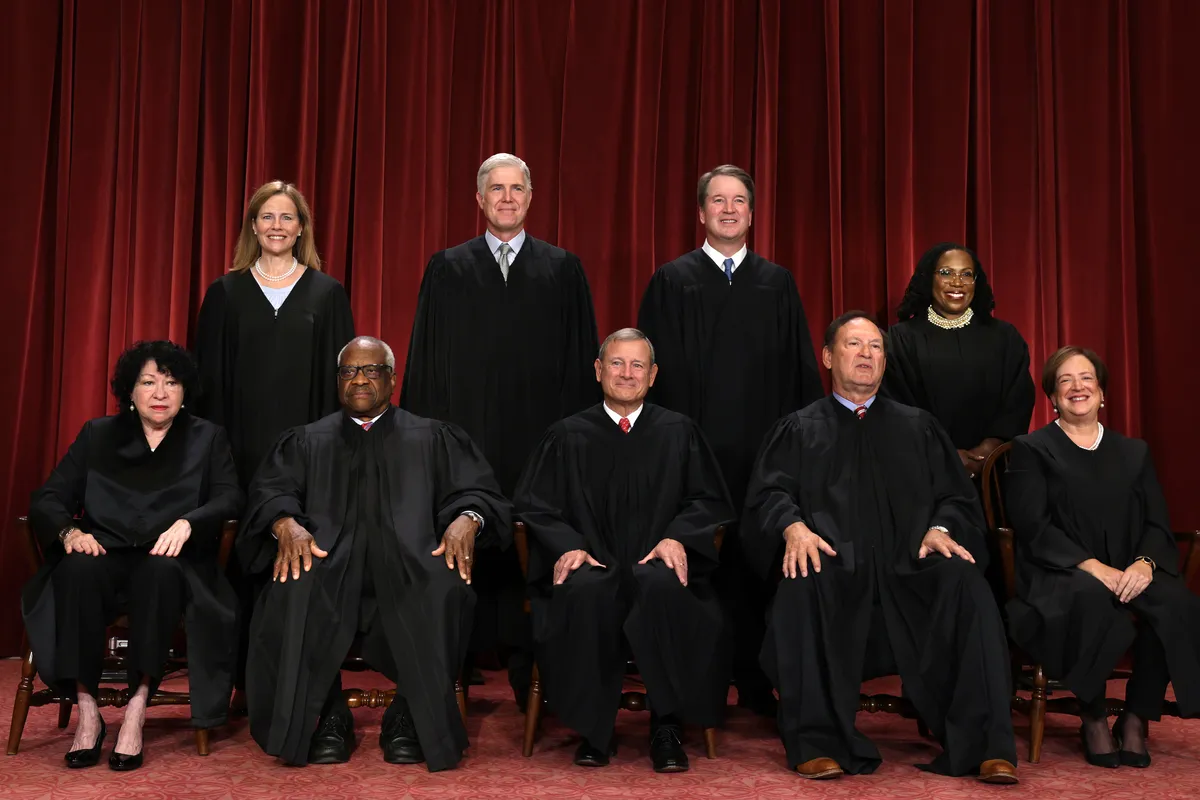
The Supreme Court of the United States, the highest judicial authority in the nation, often finds itself at the center of public scrutiny. While overall approval ratings for the Court have dipped in recent years, a significant majority of Americans express support for many of its rulings. This paradoxical relationship between public opinion and approval ratings raises important questions about the Court's role in American democracy and the factors influencing public perception.
Understanding this dynamic is crucial, especially as the Court makes landmark decisions that impact the lives of millions. The public's trust in the judiciary is foundational to the functioning of democracy, and as such, it is essential to dissect these approval ratings and the underlying sentiments that shape them.
Understanding the Approval Ratings
Approval ratings for the Supreme Court fluctuate based on a range of factors, including the political climate, recent rulings, and the visibility of the justices themselves. Recent surveys have shown that while approval ratings hover around the 40% mark, individual rulings often receive significantly higher levels of support.
Historical Context
Historically, the Supreme Court has enjoyed varying levels of support from the public. The Court's approval ratings tend to correlate with its decisions on contentious issues such as abortion, healthcare, and civil rights. For instance, landmark rulings like Roe v. Wade and Brown v. Board of Education saw substantial public support, despite generating considerable controversy.
Current Trends in Approval Ratings
- Recent polls indicate that the Supreme Court's approval ratings are around 40%.
- Specific rulings, especially those concerning civil rights, often receive upwards of 60% approval.
- The Court's decisions are closely monitored by various demographic groups, including political affiliations and age demographics.
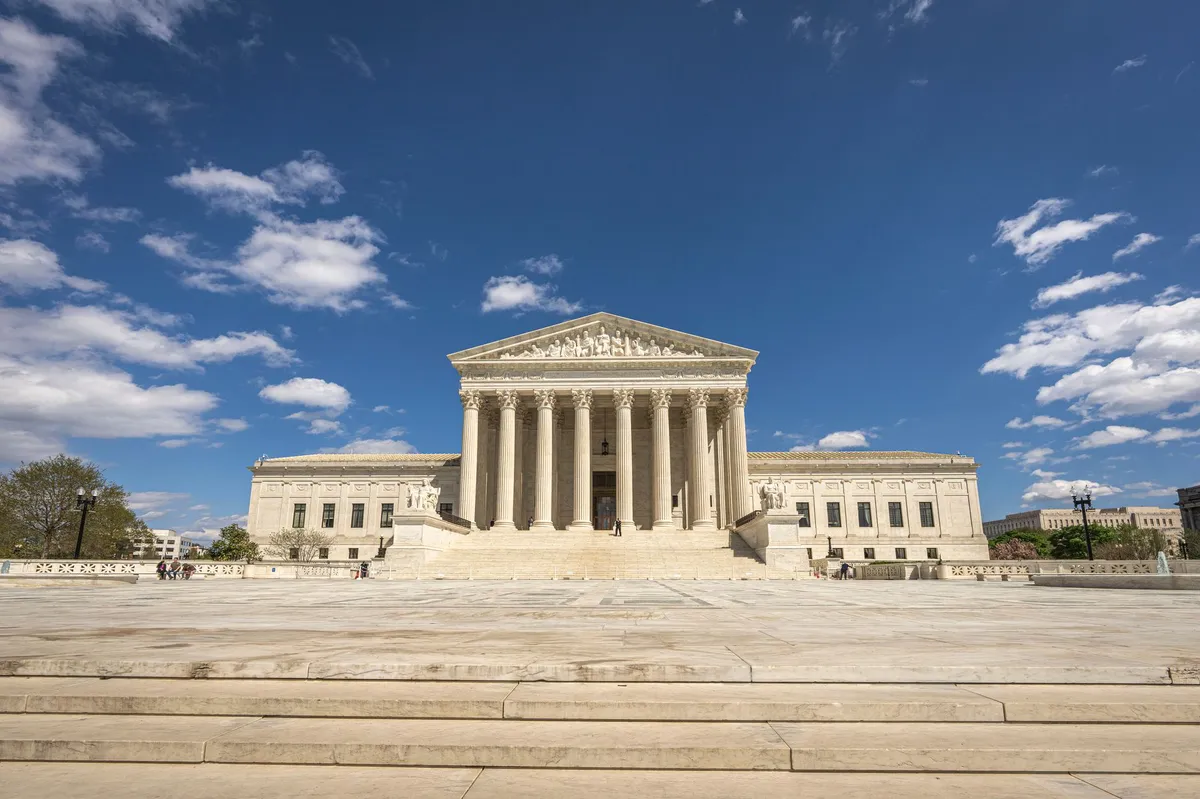
The Impact of Landmark Rulings
One of the most significant aspects of public support for the Supreme Court lies in the reception of its landmark rulings. For example, decisions relating to the Affordable Care Act and same-sex marriage have not only garnered substantial public backing but have also shaped the political landscape. These rulings demonstrate the Court's ability to reflect societal values while simultaneously facing criticism from more conservative factions.
Case Studies of Public Support
1. **Affordable Care Act**: The Supreme Court's decision to uphold key provisions of the ACA received overwhelming support, with polls indicating that nearly 60% of Americans favored the ruling. This reflects a broader trend where the public values access to healthcare as a fundamental right.
2. **Same-Sex Marriage**: In the landmark case of Obergefell v. Hodges, the Court's ruling to legalize same-sex marriage nationwide was met with approximately 70% approval among the public. This illustrates the Court's role in advancing civil rights and aligning with shifting societal norms.

Factors Influencing Public Perception
Several factors contribute to the divergence between the Supreme Court's low overall approval ratings and the high support for specific rulings. Understanding these factors is crucial for grasping the broader public sentiment toward the Court.
Perception of Partisanship
The perception of the Court as a partisan institution has grown in recent years, particularly following contentious confirmations and rulings. Many Americans view the Court through a political lens, believing that justices make decisions based on their political ideologies rather than legal principles. This perception contributes to the overall low approval ratings, as citizens become disillusioned with what they see as a lack of impartiality.
Media Influence
The media also plays a critical role in shaping public perception of the Supreme Court. Coverage of the Court's decisions can either bolster or undermine public confidence. Sensationalized reporting on controversial rulings can lead to increased scrutiny and skepticism, while positive coverage of landmark decisions can enhance public support.

The Future of the Supreme Court's Reputation
As the Supreme Court continues to navigate complex legal and societal issues, its reputation among the American public remains a crucial topic of discussion. The Court's ability to adapt to changing societal values while maintaining its judicial integrity will play a significant role in shaping future approval ratings.
Judicial Accountability
As public trust in the judiciary wanes, discussions around judicial accountability have emerged. Advocates argue that increased transparency in the Court's decision-making process could help restore public confidence. This could include public hearings, clearer explanations of rulings, and efforts to demonstrate the Court's commitment to impartiality.
Engagement with the Public
To improve its standing among the public, the Supreme Court could benefit from increased engagement with citizens. This could involve educational outreach initiatives aimed at demystifying the Court's functions and promoting understanding of its role in American democracy.
Key Takeaways
- Despite low overall approval ratings, specific Supreme Court rulings enjoy high public support.
- The perception of partisanship negatively impacts the Court's reputation.
- Media coverage plays a significant role in shaping public opinion.
- Future public engagement and transparency may bolster the Court’s credibility.
Frequently Asked Questions
What are the current approval ratings for the Supreme Court?
As of recent surveys, the Supreme Court's overall approval ratings hover around 40%. This figure reflects a notable decline from previous years, indicating growing public skepticism toward the institution. However, specific rulings often garner much higher support, suggesting that the public is selective in its approval.
How do landmark rulings affect public perception of the Court?
Landmark rulings have a profound impact on public perception of the Supreme Court. Decisions that resonate with societal values, such as those concerning healthcare access and civil rights, often receive substantial public backing. These rulings can enhance the Court's image and contribute to a sense of legitimacy, even amidst overall low approval ratings.
What role does partisanship play in the Court's approval ratings?
The perception of partisanship within the Supreme Court has negatively influenced its approval ratings. Many Americans believe that justices are influenced by their political affiliations rather than legal precedents. This perception fosters distrust and skepticism, leading to lower overall approval despite support for individual rulings.
How can the Supreme Court improve its public perception?
To enhance its public perception, the Supreme Court could focus on increasing transparency and engaging with the public. Initiatives that explain the Court’s functions and decisions, as well as efforts to demonstrate impartiality, could help restore public confidence. Building a stronger connection with citizens may ultimately improve the Court’s reputation and approval ratings.
This content is general information, not legal advice.
Comments
Unusual Pennsylvania Laws: A Dive into the Commonwealth's Quirky Regulations
Explore the fascinating history and practical implications behind some of Pennsylvania's most unusual laws, from blue laws to fortune-telling regulations.

Related articles
Popular in Guides
- Lake Mead Reaches Historic Low: Understanding the Impacts of Water Scarcity
- Fires and Ferns: Understanding Ancient Europe's Climate Catastrophe
- Unveiling Hidden Stars: Astronomers Discover Four New White Dwarfs
- Understanding the Impact of Hawaii's Online Booking Fee Tax Ruling
- Navigating South Carolina Rental Property Law: A Comprehensive Guide